כיצד יכולות הערים הערביות לצמוח באופן המחזק את זיקתן לקרקע ומעמיד את הזהות המקומית ואת חיי היומיום של תושביהן בבסיס התרחבותן העירונית?
הפרויקט יוצא מתוך קריאה של התמורות שעיצבו את הנוף הגלילי, ומתחקה אחר השפעתן של תשתיות, ייעור, שמורות טבע והתיישבויות על התרחבות הערים הערביות ועל יחסיהן עם סביבתן. הוא בוחן כיצד מרכיבים אלה הגדירו לאורך עשורים את גבולות הצמיחה, קיטעו את המרקם העירוני ושינו את הזיקה בין העיר לקרקע. קריאה זו משמשת רקע היסטורי ומרחבי להצעה הבוחנת כיצד תרבות מקומית ופרקטיקות יומיומיות יכולות להנחות את ההתרחבות העירונית.
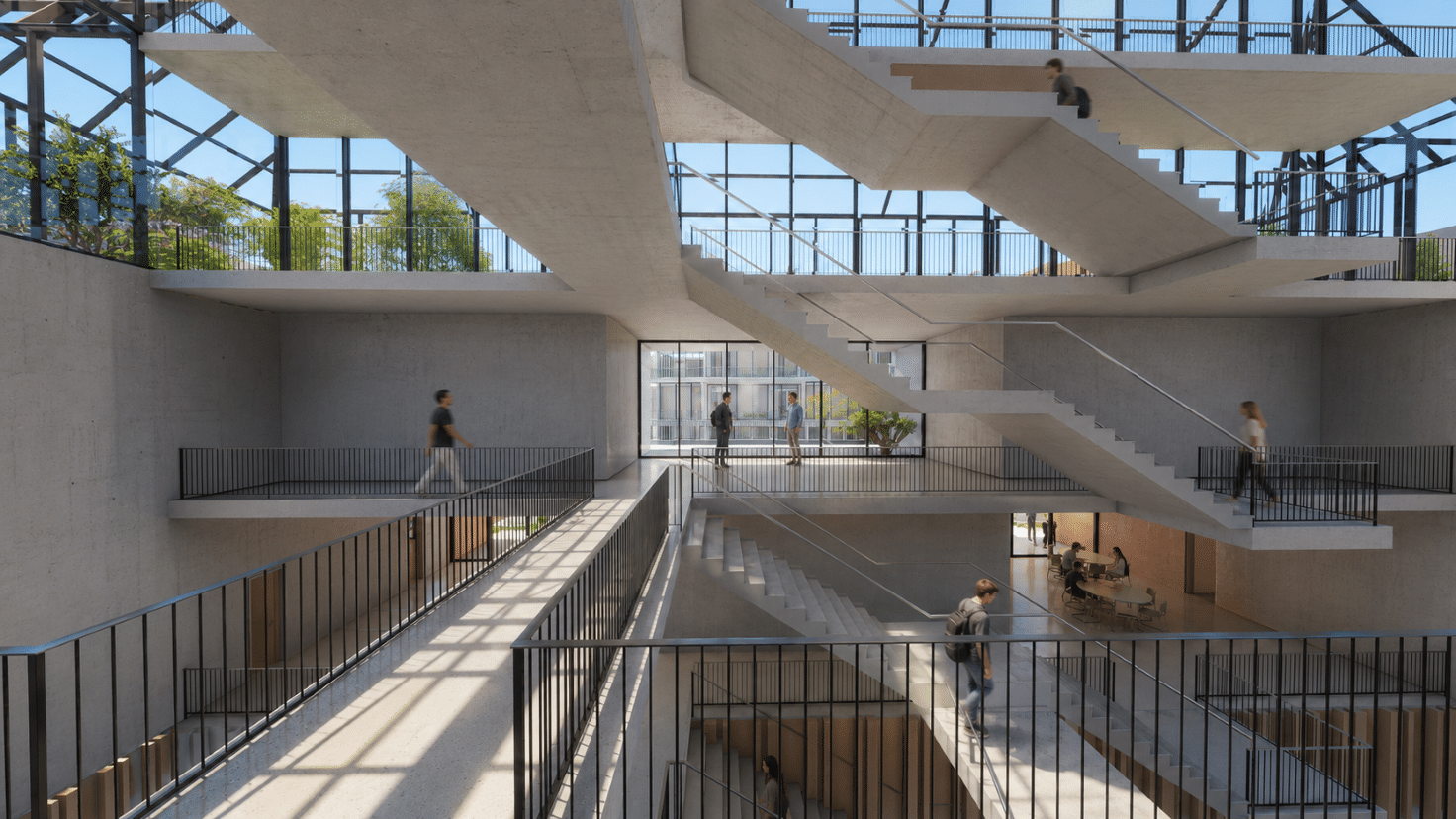
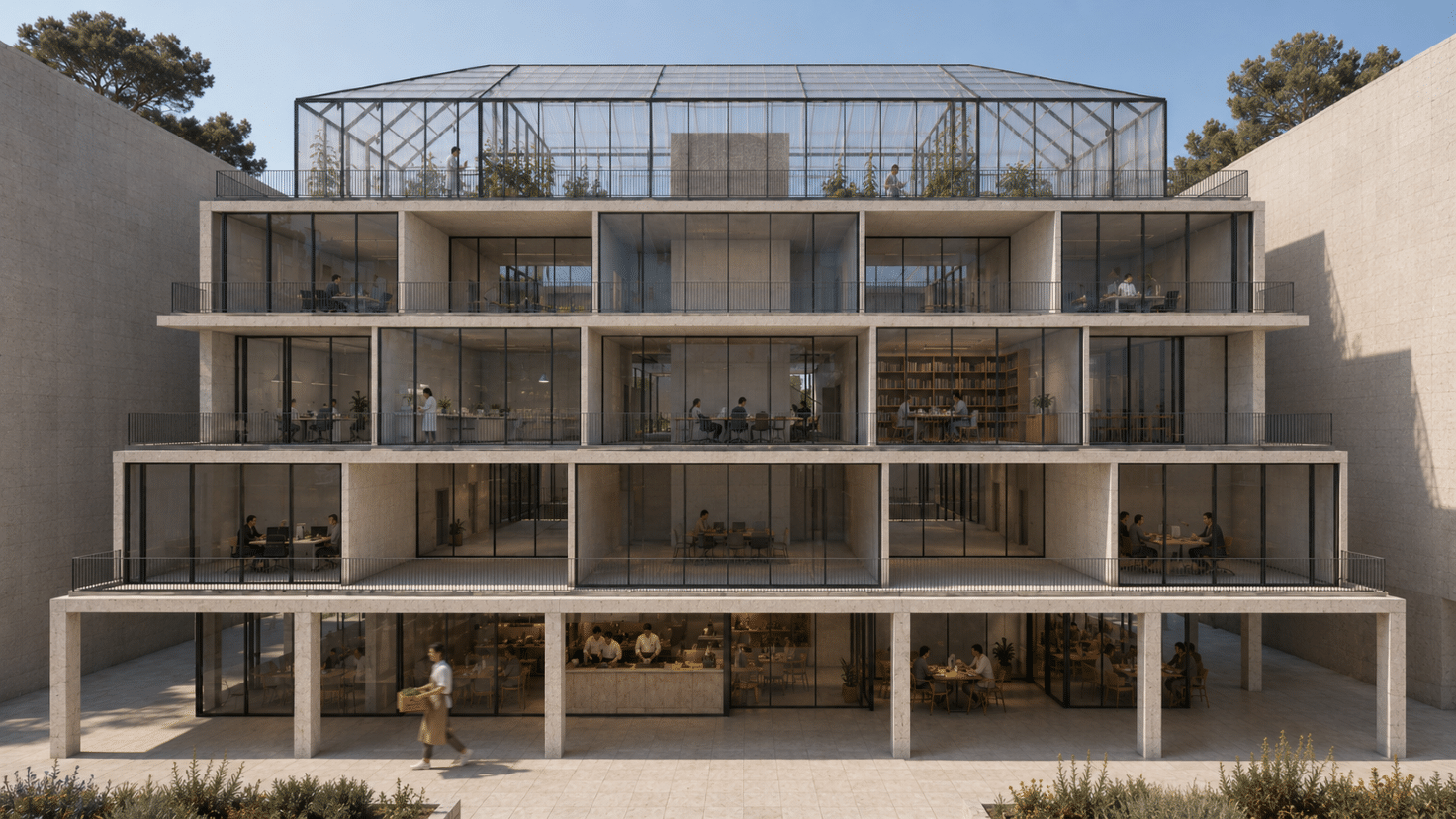
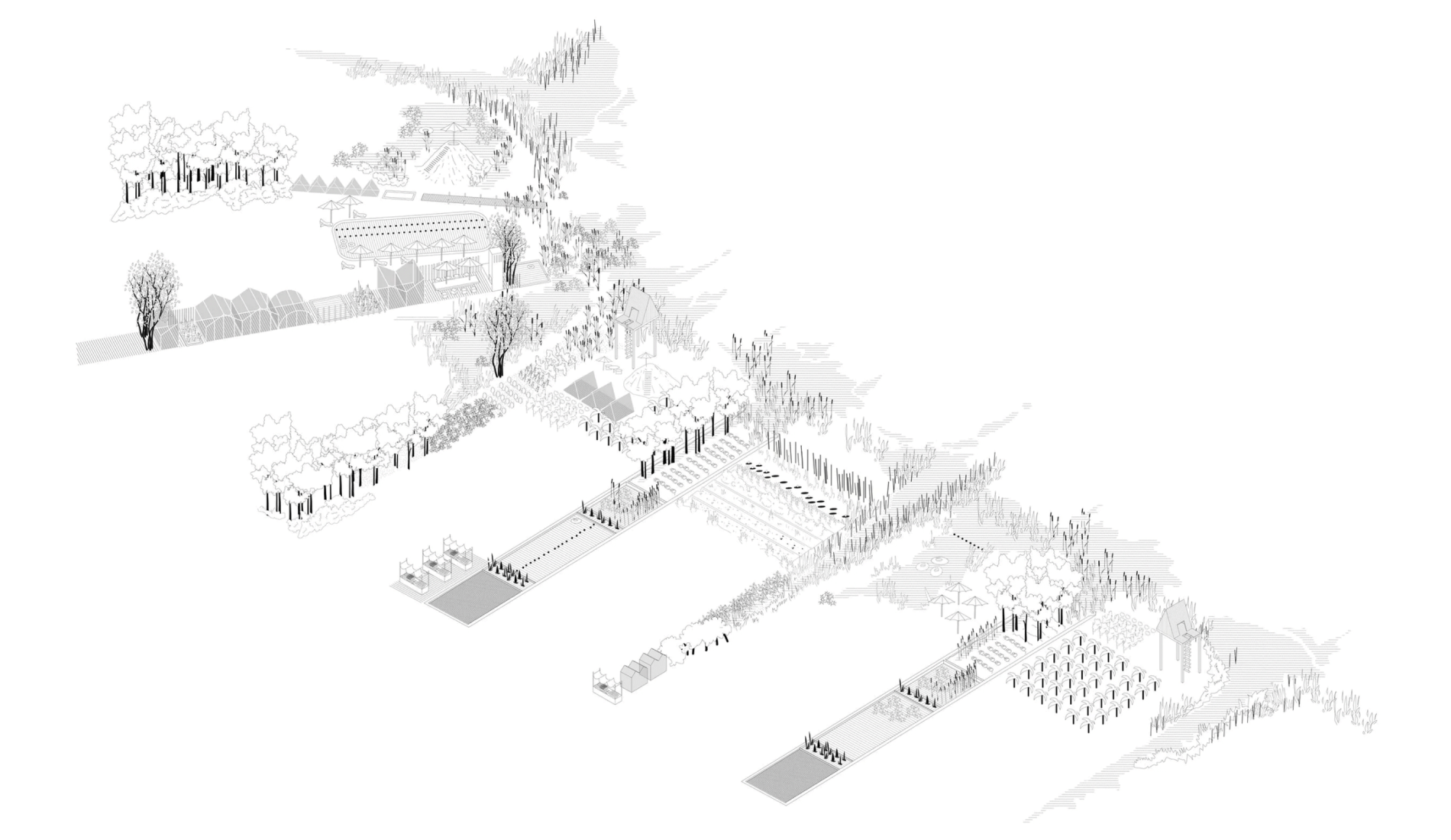
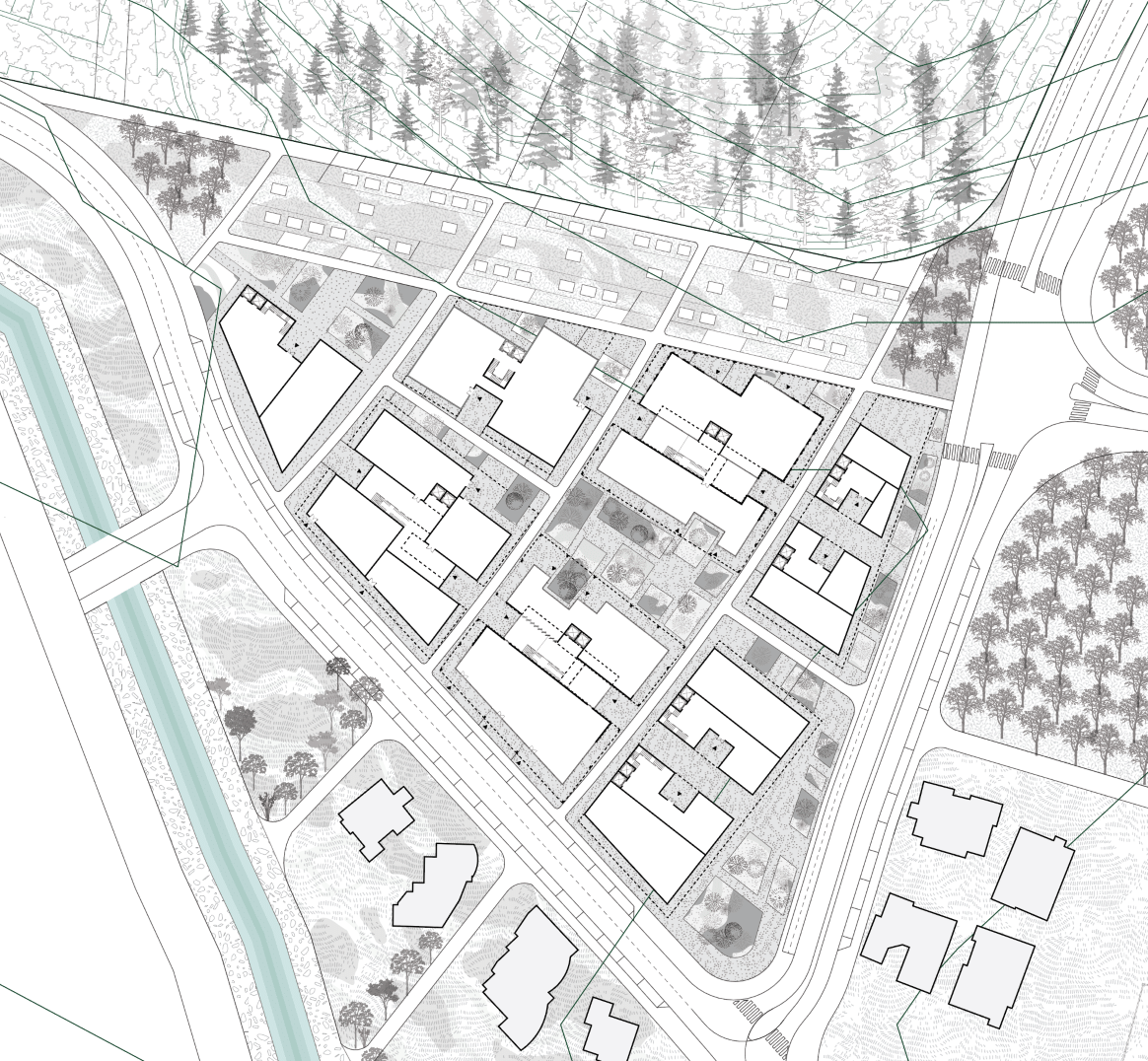
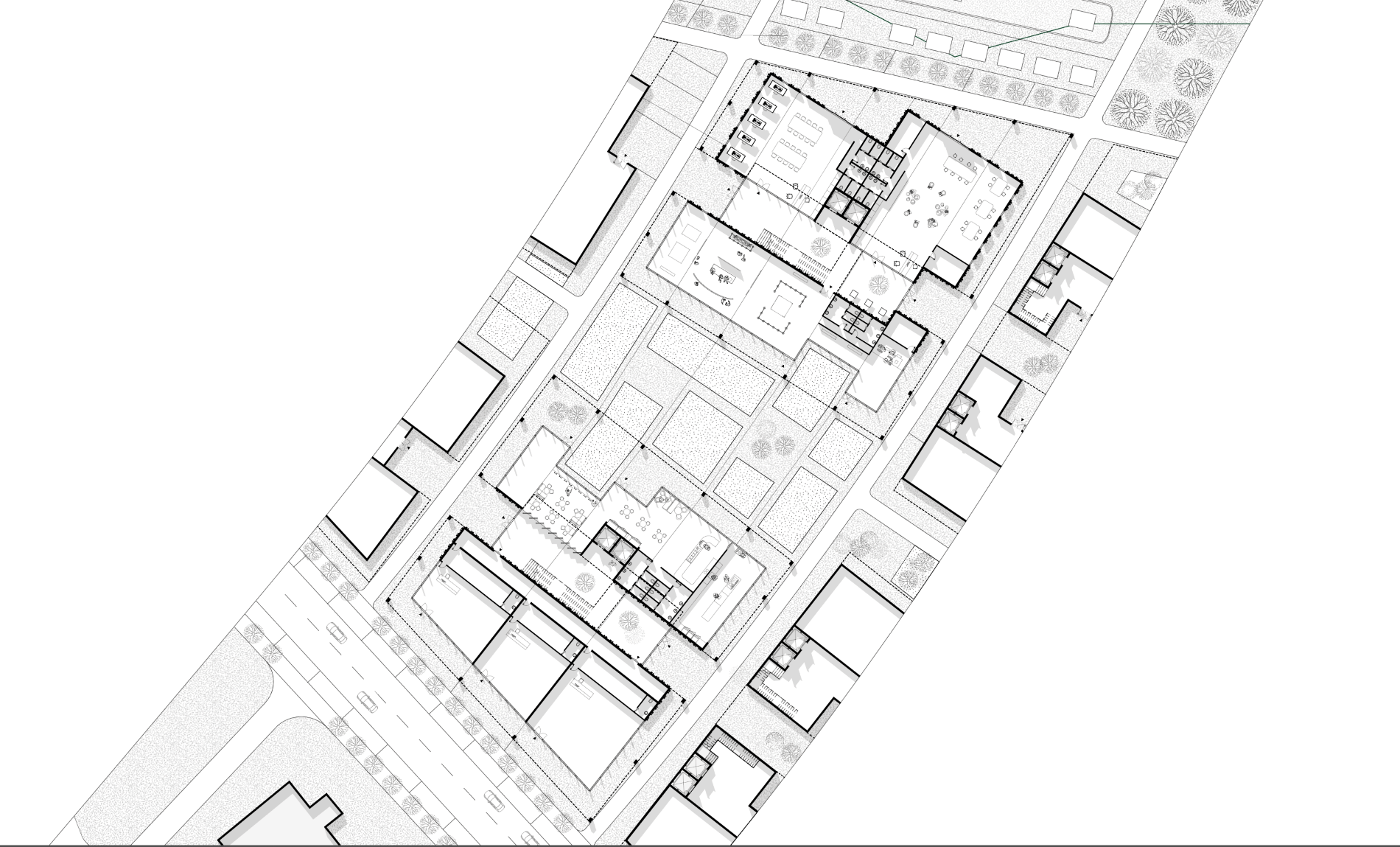
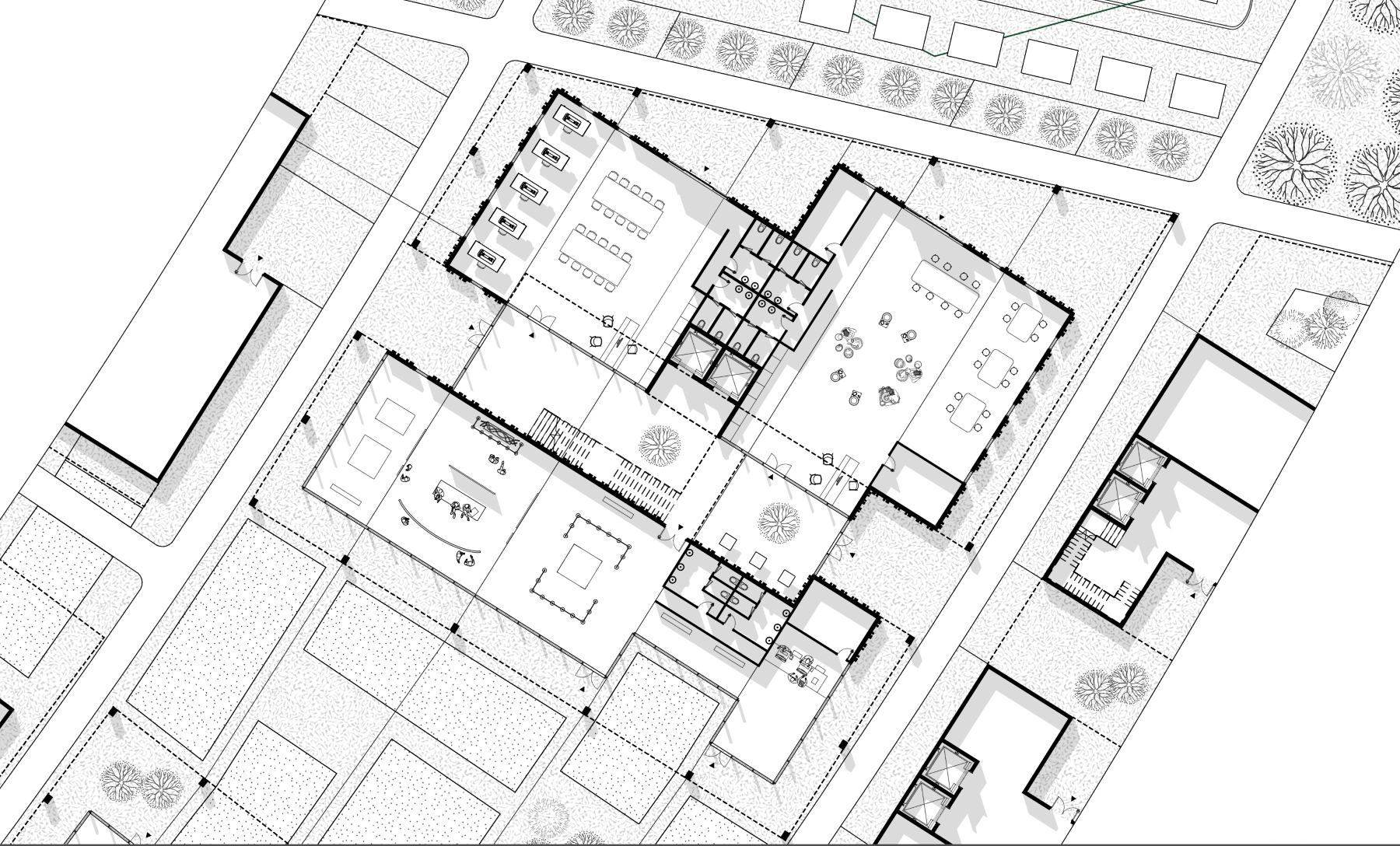
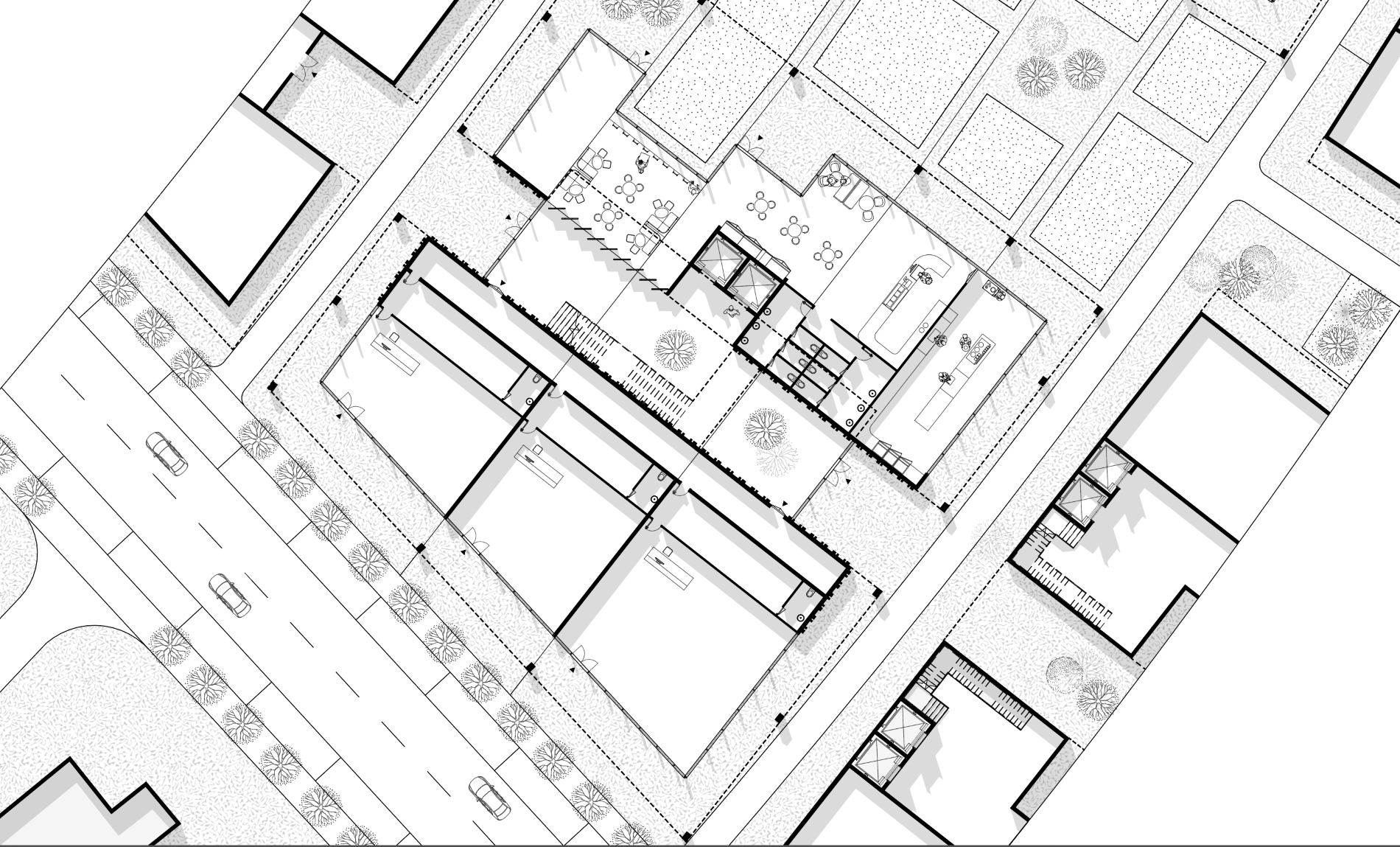
טמרה היא המרחב שבו מתגבשת הצעה זו: עיר שהחקלאות עודנה נוכחת בנופה, בכלכלתה ובזיכרון הקולקטיבי שלה. הפרויקט מציע התרחבות מערבה, המחברת מחדש את המרקם הבנוי לקרקעות החקלאיות ולוואדי טמרה ומשלבת מגורים, עבודה ולמידה בסביבה עירונית מקושרת. ההצעה מתארגנת סביב מוקדים המשלבים מסחר, חינוך, מחקר וייצור חקלאי, וביניהם רשת של מרחבים ציבוריים ושבילי הליכה ורכיבה.
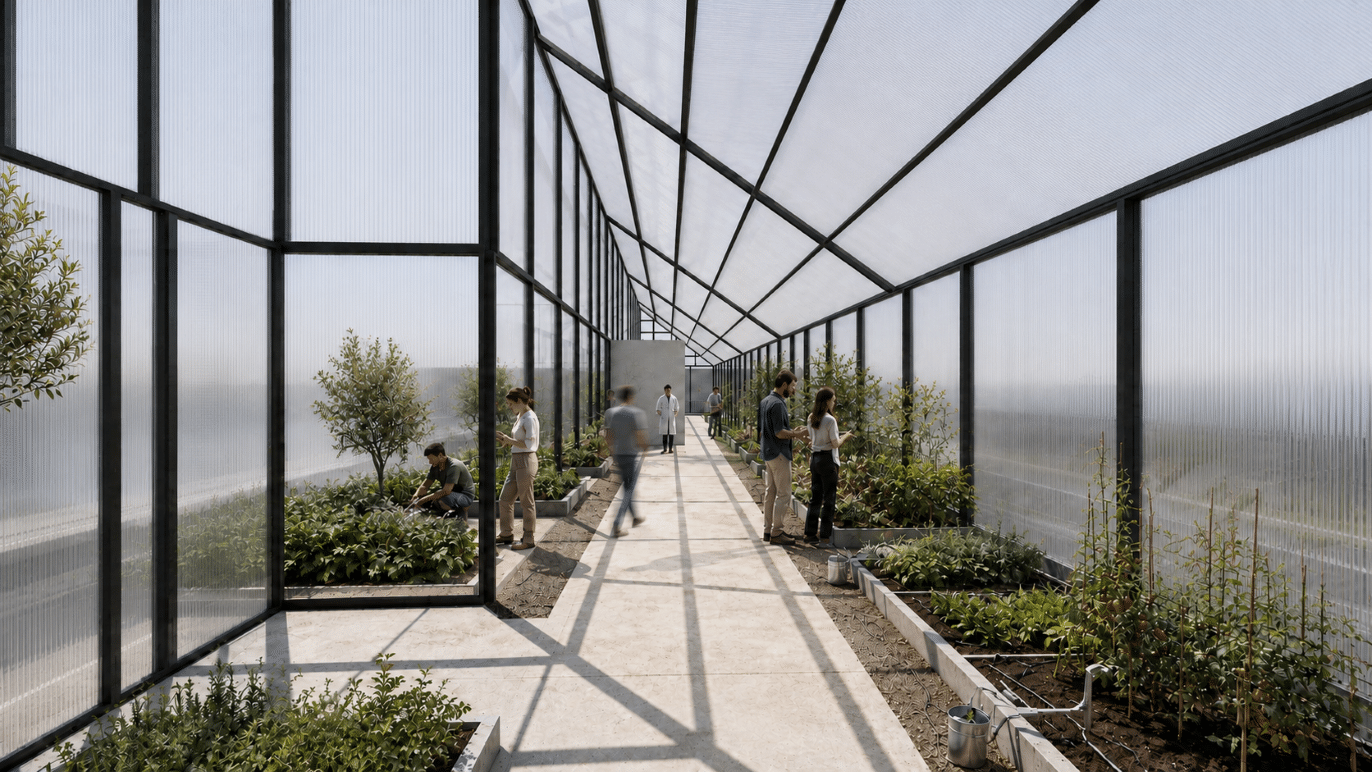
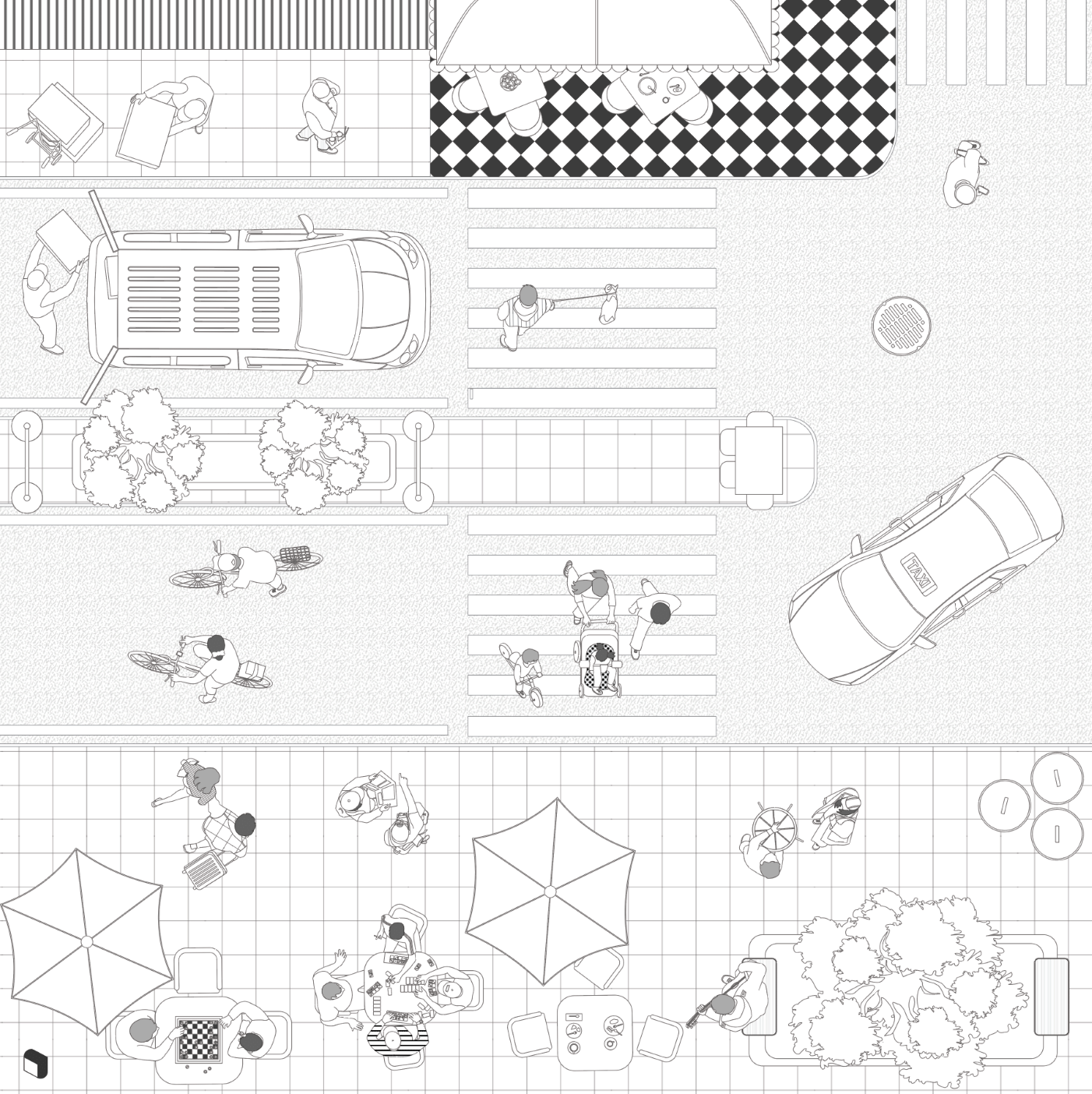
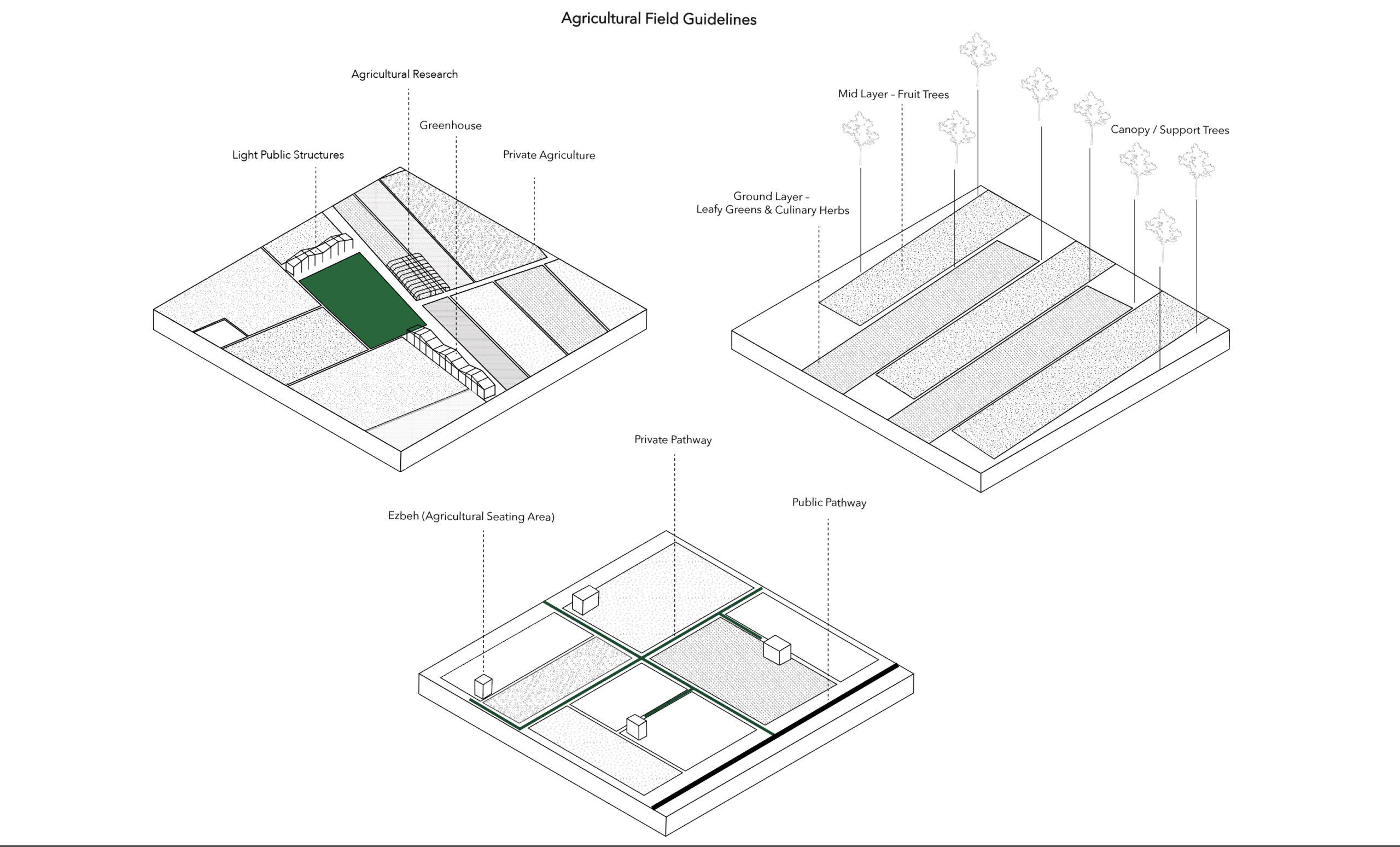
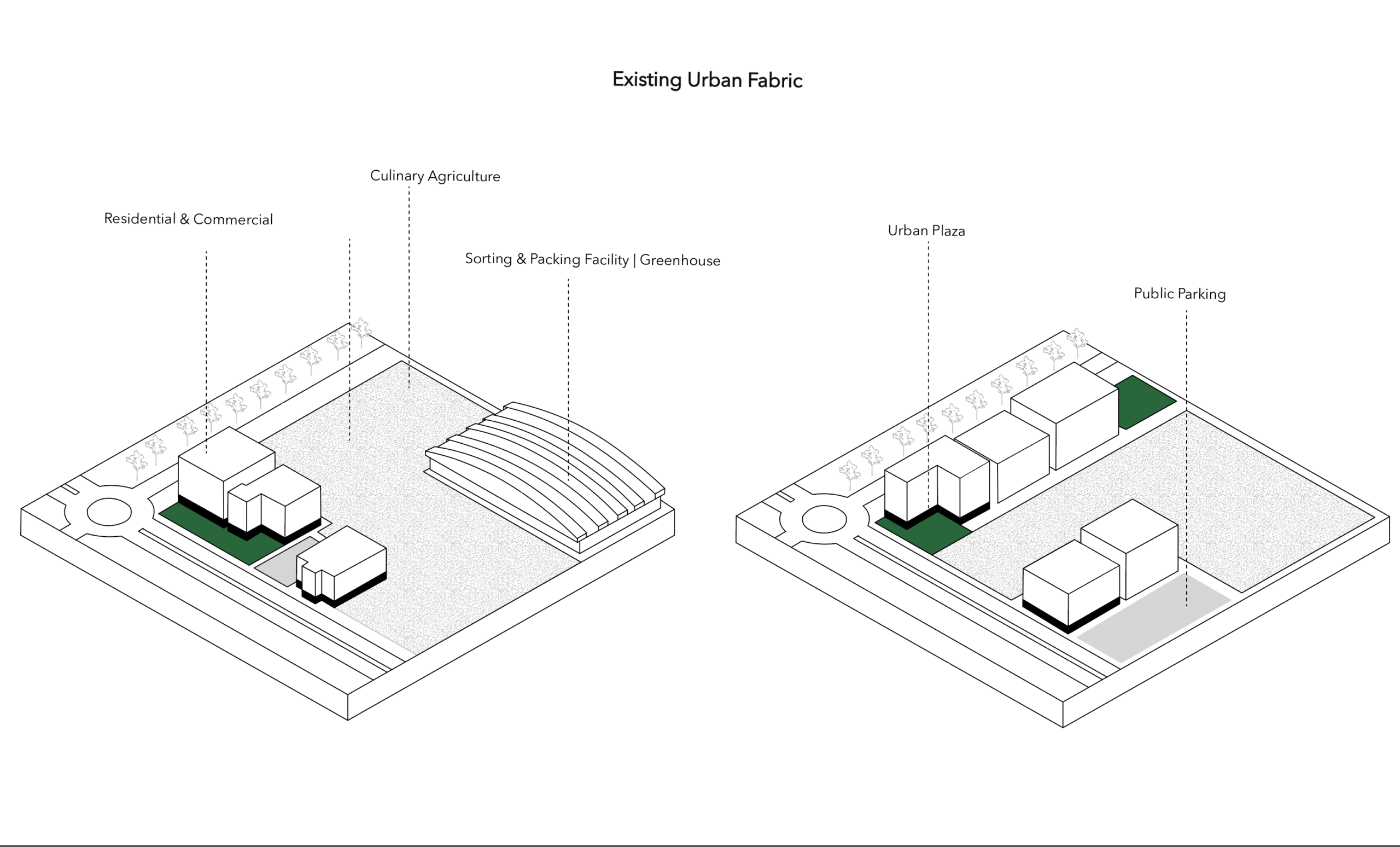
במרקם זה משתלבים שווקים, סדנאות וגינות משותפות לצד מבני מגורים וציבור, ומעניקים לחקלאות מקום מרכזי בחיים העירוניים כפעילות יצרנית, תרבותית וחברתית. התשתית מקבלת ממד אזרחי באמצעות החיבור בין תנועה ושירותים לבין מרחבי מפגש, חילופי ידע וחיי יומיום.
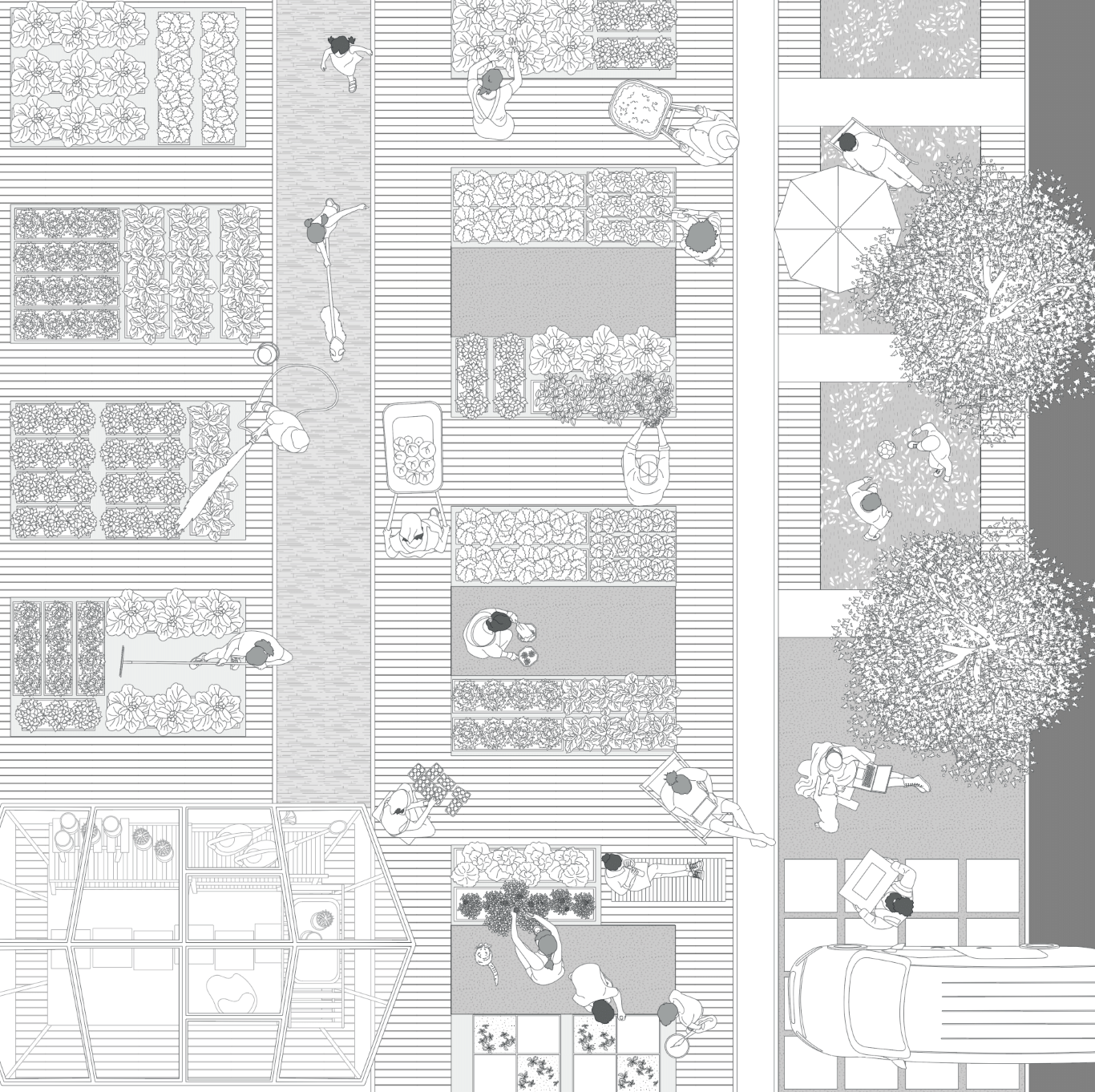
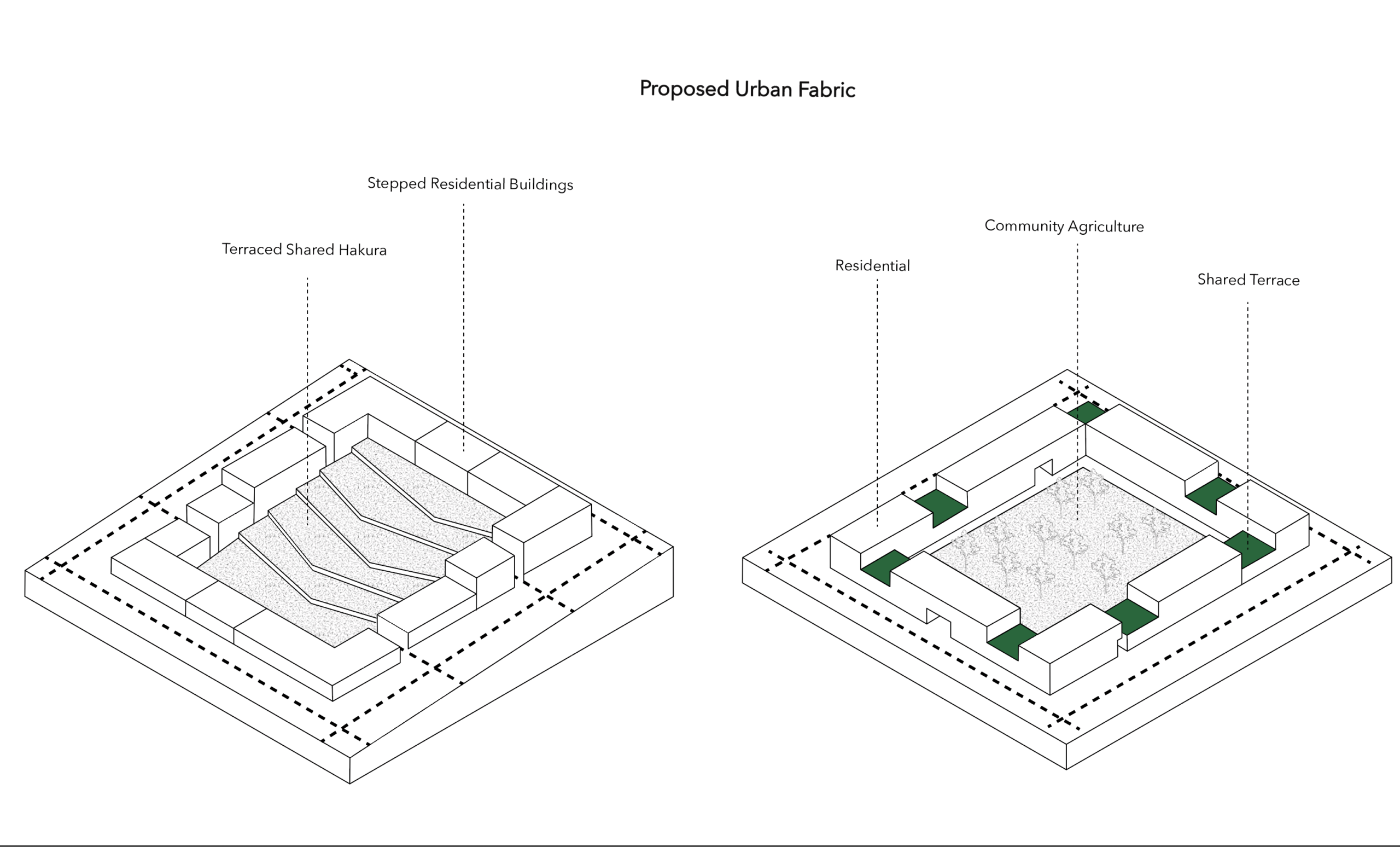
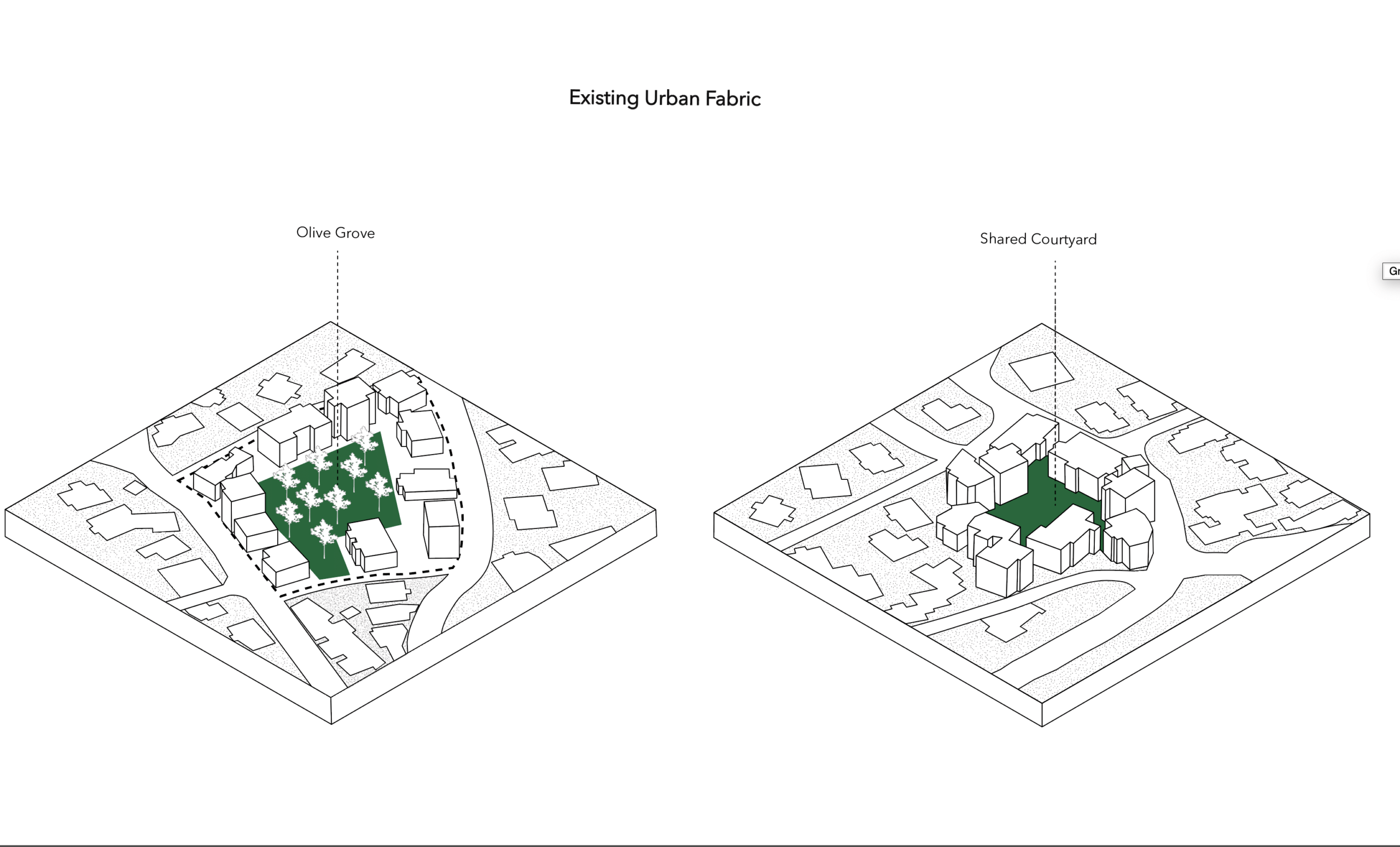
בקנה המידה האדריכלי, הפרויקט מעניק פרשנות מחודשת לחוש — החצר המשותפת, למסטבה — משטח הישיבה המוגבה, ולחכורה — הגינה החקלאית הצמודה לבית. דפוסים מרחביים אלה מארגנים את היחסים בין פרטיות לחיים משותפים ובין המבנה לקרקע. הם משמשים בסיס לאדריכלות המגיבה לצרכים עכשוויים ושומרת על זיקתה להקשר המקומי.
״Infra Culture״ מציע חזון לצמיחתה של טמרה שבו הקרקע, התרבות וחיי היומיום הם יסודות לתכנון. הזכות לצמוח, כפי שהיא מוצעת בפרויקט, כוללת את יכולתה של העיר להרחיב ולפתח את מרקמה באופן המבטא את קהילתה ושומר על זיקתה למקום.
How can Arab cities grow in ways that strengthen their connection to the land and make local identity and residents’ everyday lives the foundation of their urban expansion?
The project begins with a reading of the transformations that have shaped the Galilee landscape, tracing how infrastructure, afforestation, nature reserves, and settlement development have influenced the expansion of Arab cities and their relationship with their surroundings. It examines how these elements have, over decades, defined the limits of growth, fragmented urban fabric, and altered connections between city and land. This historical and spatial reading provides the context for a proposal that explores how local culture and everyday practices can guide urban expansion.
Tamra becomes the setting for this vision: a city where agriculture remains embedded in the landscape, economy, and collective memory. The project proposes a westward urban extension that reconnects the built fabric with agricultural land and Wadi Tamra, bringing housing, work, and learning into a connected urban environment. The proposal is organized around centers that bring together commerce, education, research, and agricultural production, linked by a network of public spaces and pedestrian and cycling routes.
Within this fabric, markets, workshops, and shared gardens are integrated with residential and public buildings, placing agriculture at the heart of urban life as a productive, cultural, and social activity. Infrastructure takes on a civic dimension as mobility and services become connected to places of gathering, exchange, and everyday interaction.
At the architectural scale, the project reinterprets the hawsh, a shared courtyard; the mastaba, a raised outdoor seating platform; and the hakura, a cultivated garden adjoining the home. These spatial forms organize relationships between privacy and collective life, and between buildings and land. They inform an architecture that responds to contemporary needs while maintaining its connection to the local context.
Infra Culture presents a vision for Tamra’s growth in which land, culture, and everyday life become foundations for planning. The right to grow encompasses the city’s capacity to expand and develop in ways that express its community and sustain its relationship with place.
البنية التحتية والثقافة: الحق في النمو
كيف يمكن للمدن العربية أن تنمو بما يعزّز صلتها بالأرض، ويجعل هويتها المحلية وحياة سكانها اليومية أساسًا لتشكيل امتدادها العمراني؟
ينطلق المشروع من قراءة التحوّلات التي شكّلت المشهد الجليلي، متتبّعًا أثر البنى التحتية والتشجير والمحميات الطبيعية والتجمعات الاستيطانية في توسّع المدن العربية وعلاقتها بمحيطها. ويبحث كيف أسهمت هذه العناصر، عبر عقود، في رسم حدود النمو وتجزئة النسيج العمراني وتغيير الصلة بين المدينة والأرض. تشكّل هذه القراءة خلفيةً تاريخية ومكانية لمقترح يستكشف دور الثقافة المحلية والممارسات اليومية في توجيه التوسّع العمراني.
تُطرح طمرة مجالًا لتجسيد هذه الرؤية؛ مدينةً ما تزال الزراعة حاضرةً في مشهدها واقتصادها وذاكرتها. يقترح المشروع امتدادًا عمرانيًا غرب المدينة يعيد وصل النسيج المبني بالأراضي الزراعية ووادي طمرة، ويجمع السكن والعمل والتعلّم ضمن بيئة مترابطة. وينتظم حول مراكز تجمع التجارة والتعليم والبحث والإنتاج الزراعي، وتربطها شبكة من المساحات العامة ومسارات المشاة والدراجات.
ضمن هذا النسيج، تتكامل الأسواق والورش والحدائق المشتركة مع المباني السكنية والعامة، فتدخل الزراعة في صميم الحياة الحضرية بوصفها نشاطًا إنتاجيًا وثقافيًا واجتماعيًا. وتكتسب البنية التحتية بُعدًا مدنيًا من خلال ارتباط الحركة والخدمات بأماكن اللقاء والتبادل والحياة اليومية.
على المستوى المعماري، يعيد المشروع تفسير الحوش والمصطبة والحاكورة بوصفها أنماطًا مكانية تنظّم العلاقة بين الخصوصية والحياة الجماعية، وبين المبنى والأرض. ويستند إليها في تشكيل عمارة تستجيب للاحتياجات المعاصرة وتحافظ على صلتها بالسياق المحلي.
يقدّم «Infra Culture» رؤيةً لنموّ طمرة تجعل الأرض والثقافة والحياة اليومية عناصر مؤسِّسة للتخطيط. فالحق في النمو، كما يطرحه المشروع، يشمل قدرة المدينة على توسيع نسيجها وتطويره بما يعبّر عن مجتمعها ويصون علاقتها بالمكان.