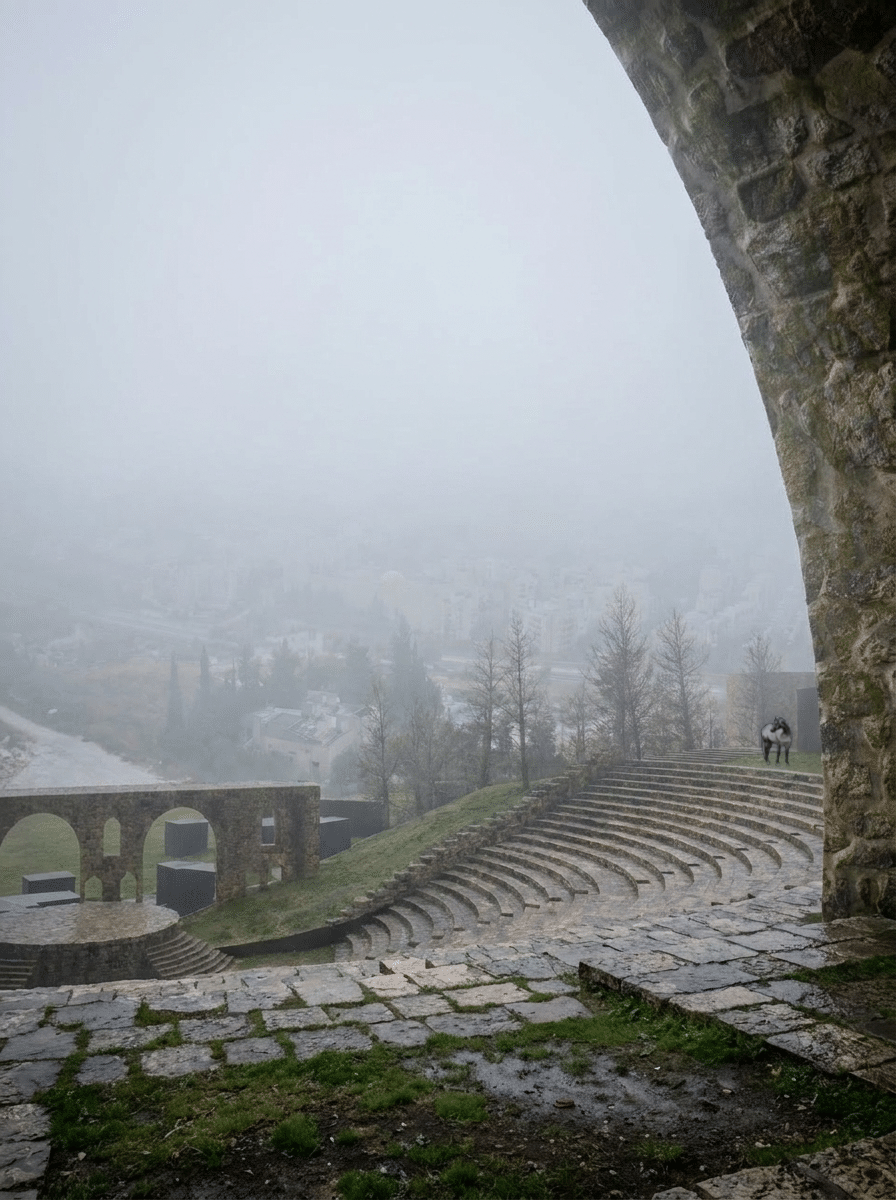
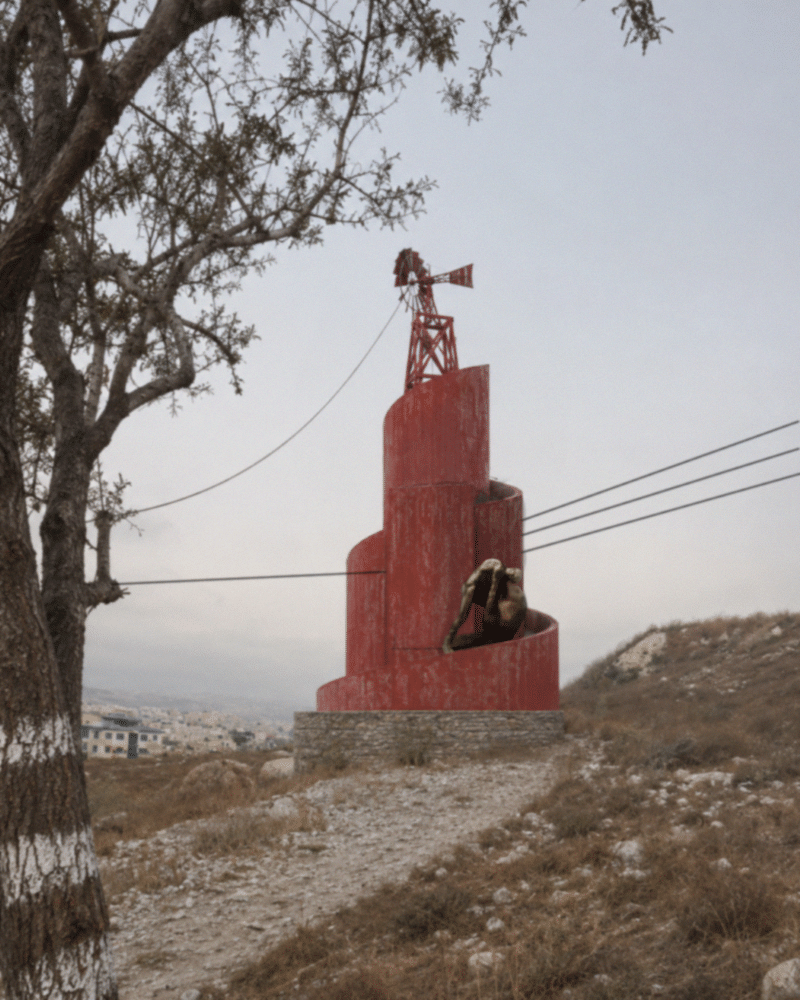
"היה היה ארמון, שעמד בראש גבעה נשאה בבדידות גאה. הוא נבנה להיות משכנו של מלך רם, אך המלך מעולם לא הגיע. מלחמה הגיעה במקומו. נחרצו גבולות, ומתוכם עלתה חומה עד אשר הסתירה את האופק. שישים שנה עמד הארמון בשתיקה, עד שיום אחד התמוטטה החומה ושוב נפתח האופק.
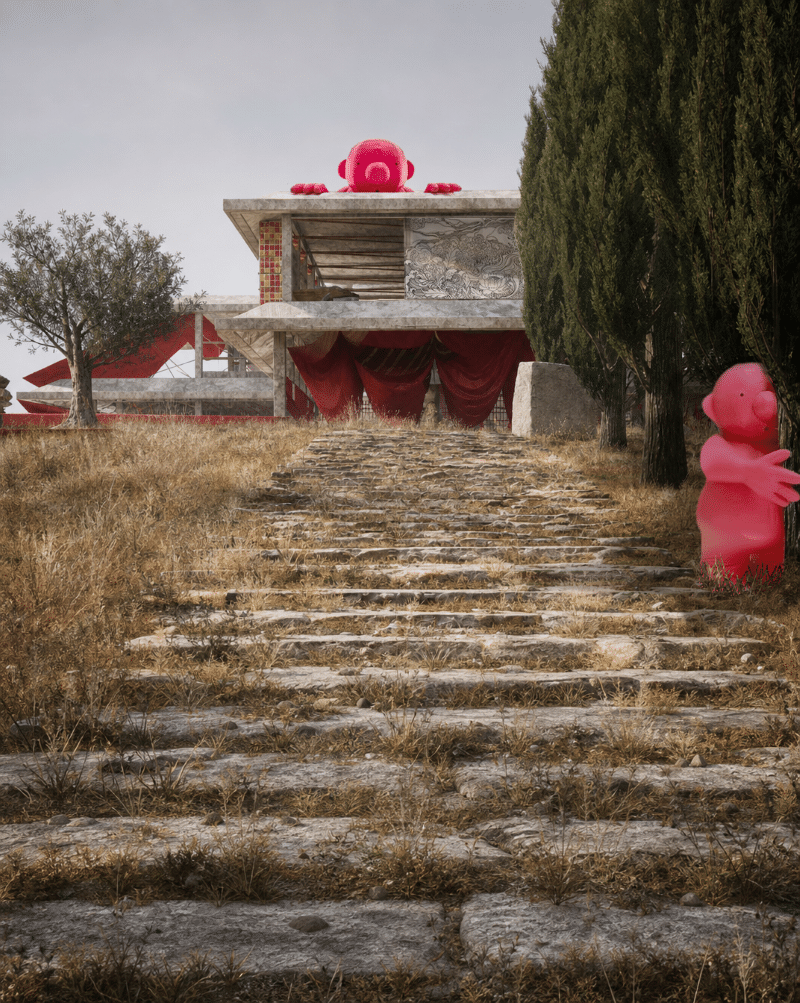
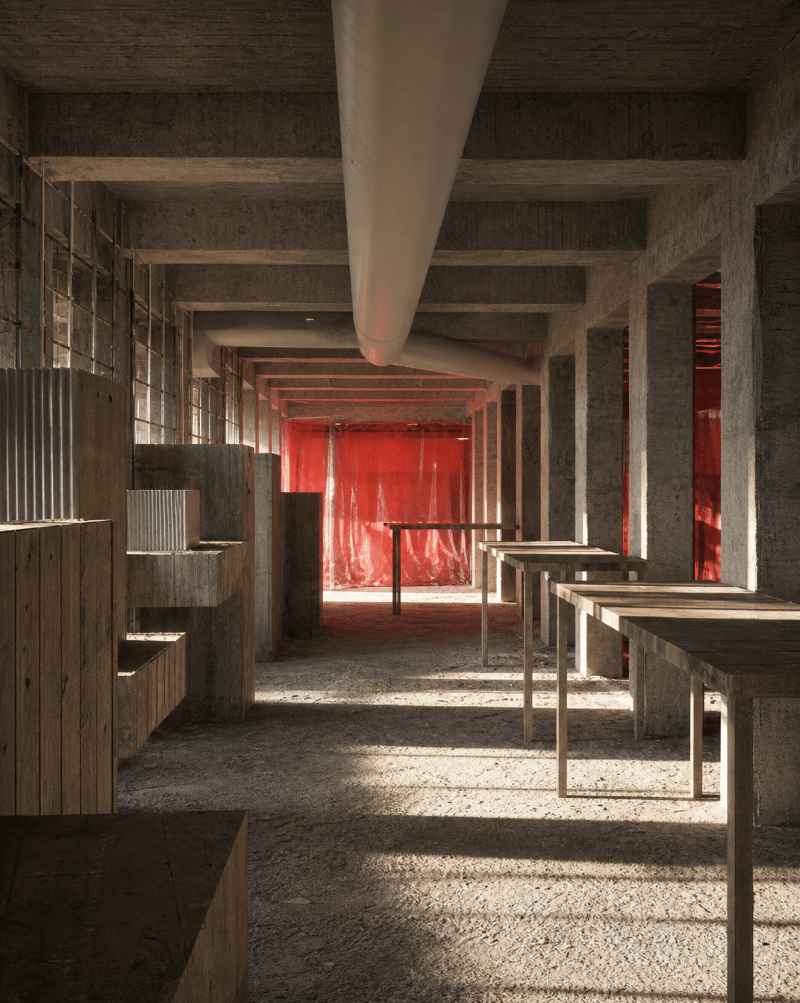
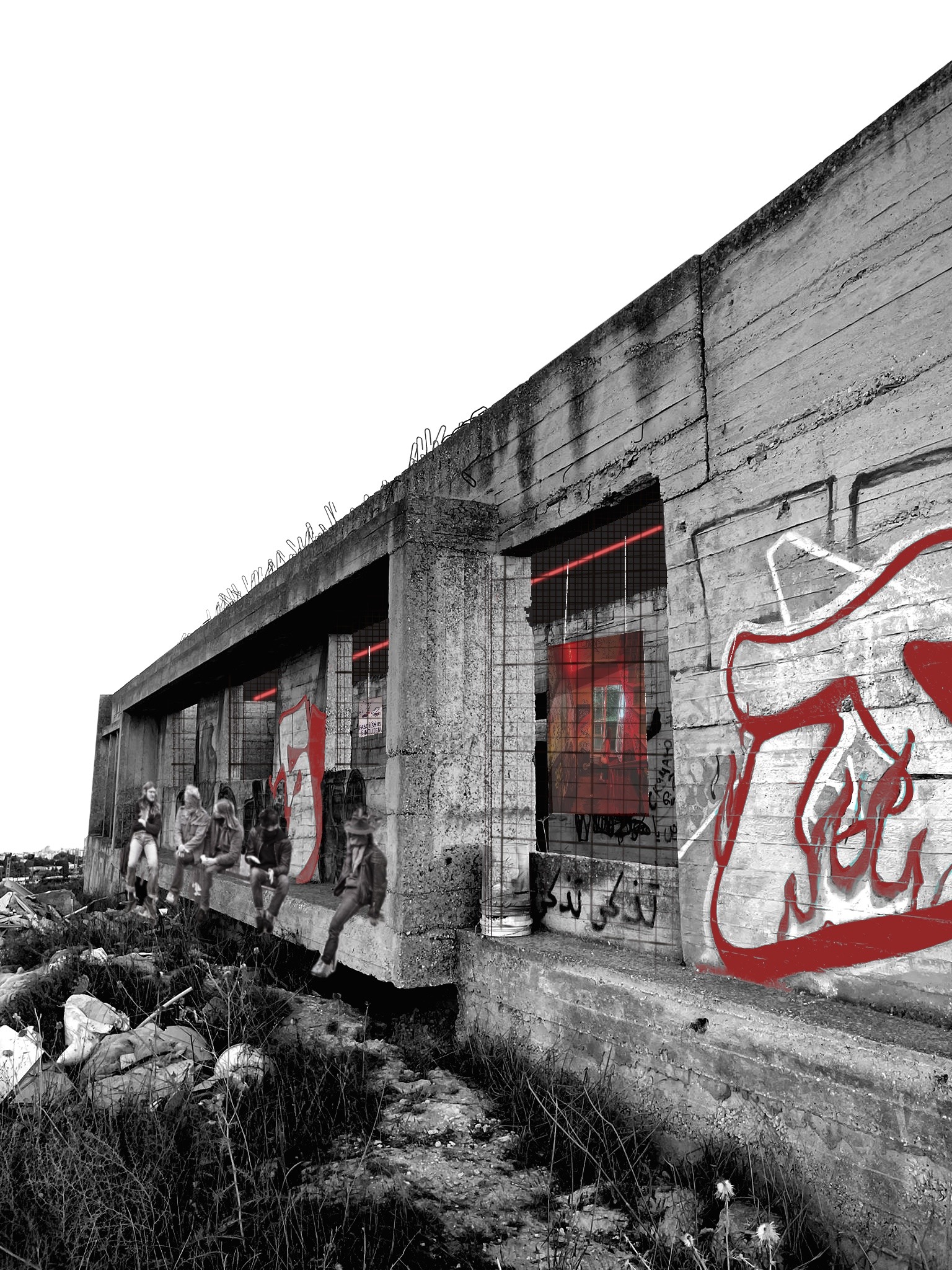
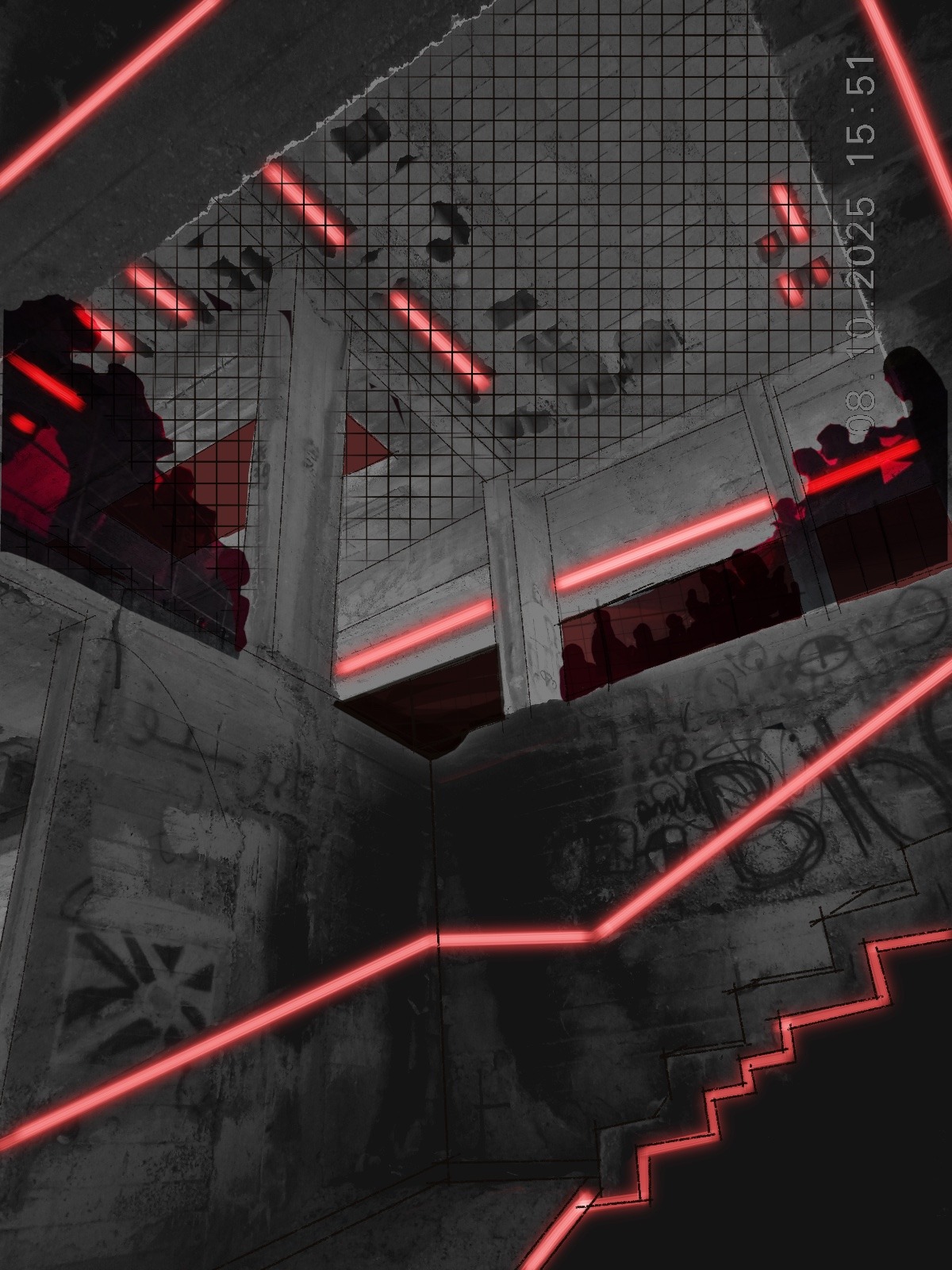
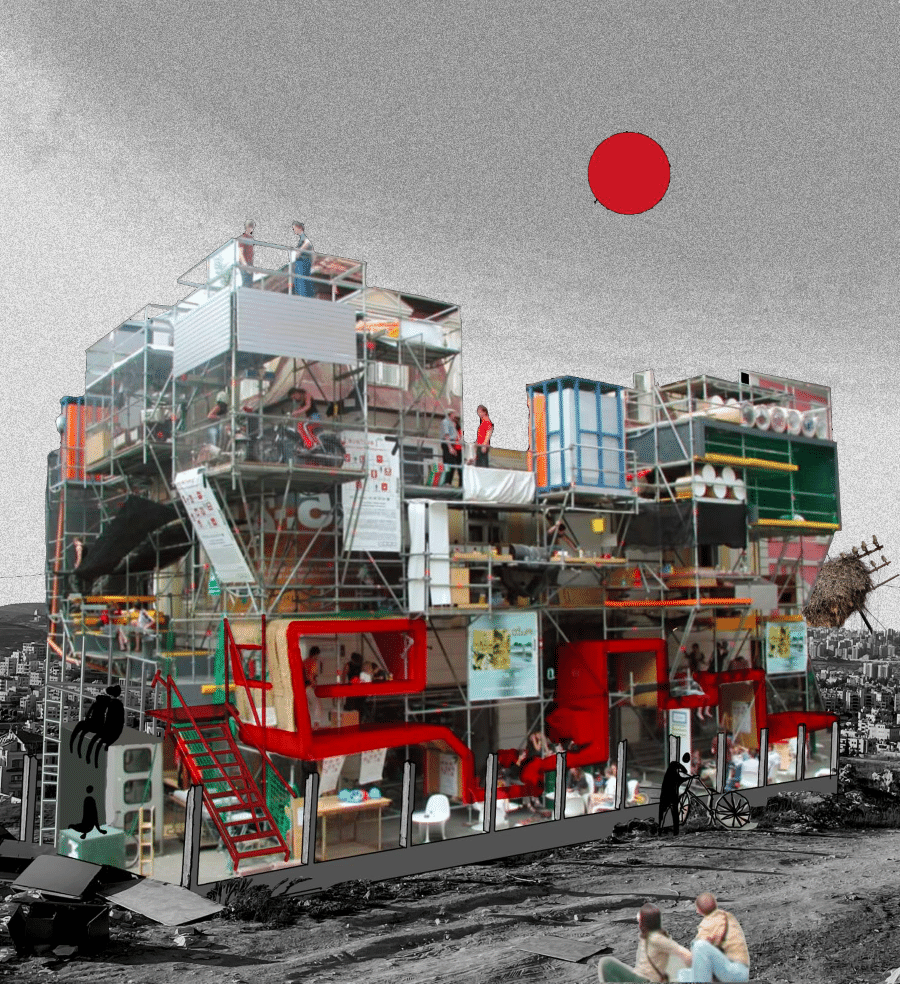
מבעד להריסות הופיעו הצעירים: ססגוניים, משונים — ובמילה אחת: אמנים. הם מצאו בארמון בית, קורת גג למרד שלהם, והחלו להקים בו מרחב חדש מחומרים שנמצאו במקום: שברי בטון, רשתות, כבלים, בדים ואף שרידים מן החומה. כך קם הדבר והיה לבית, וקראו לו — הקתרזיס."
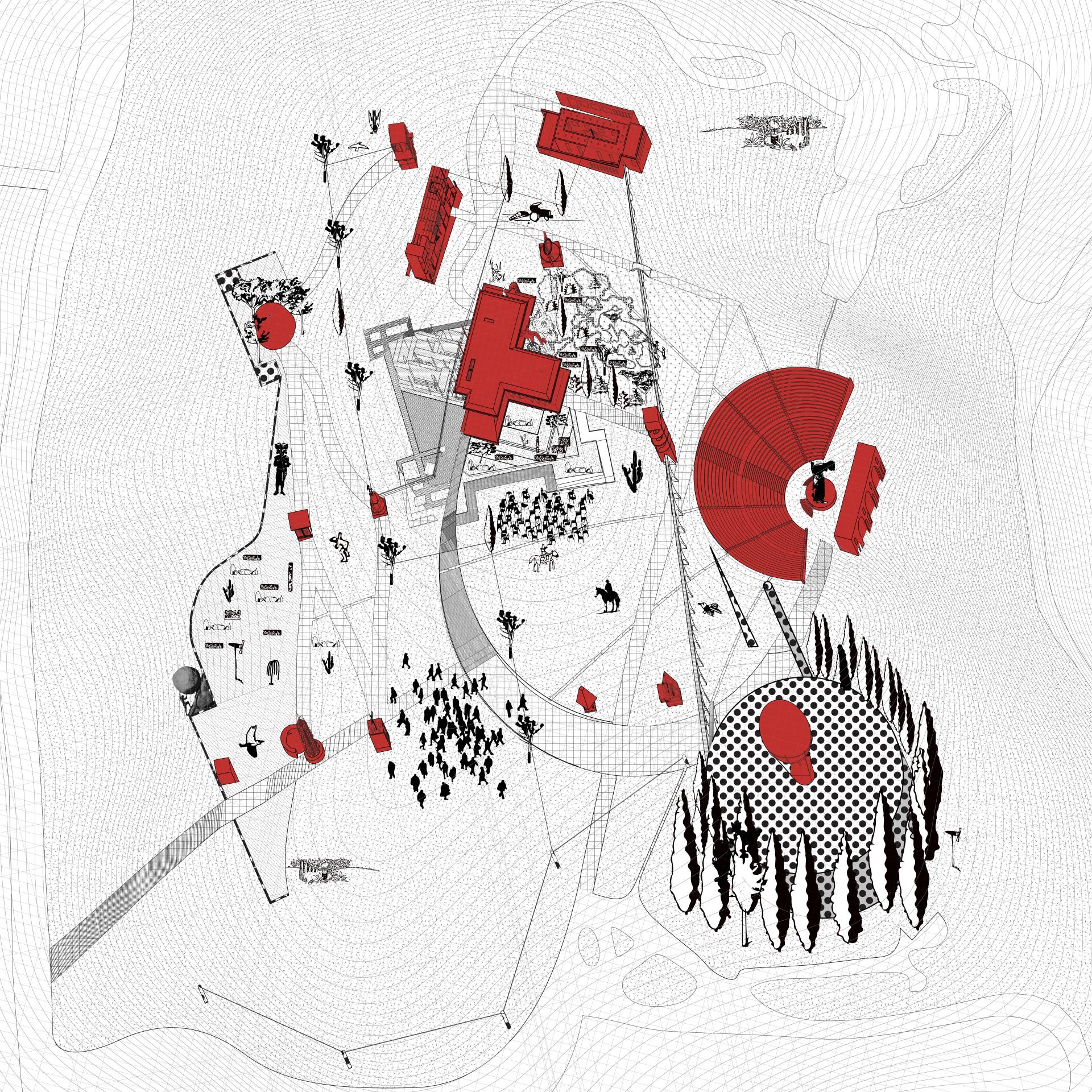
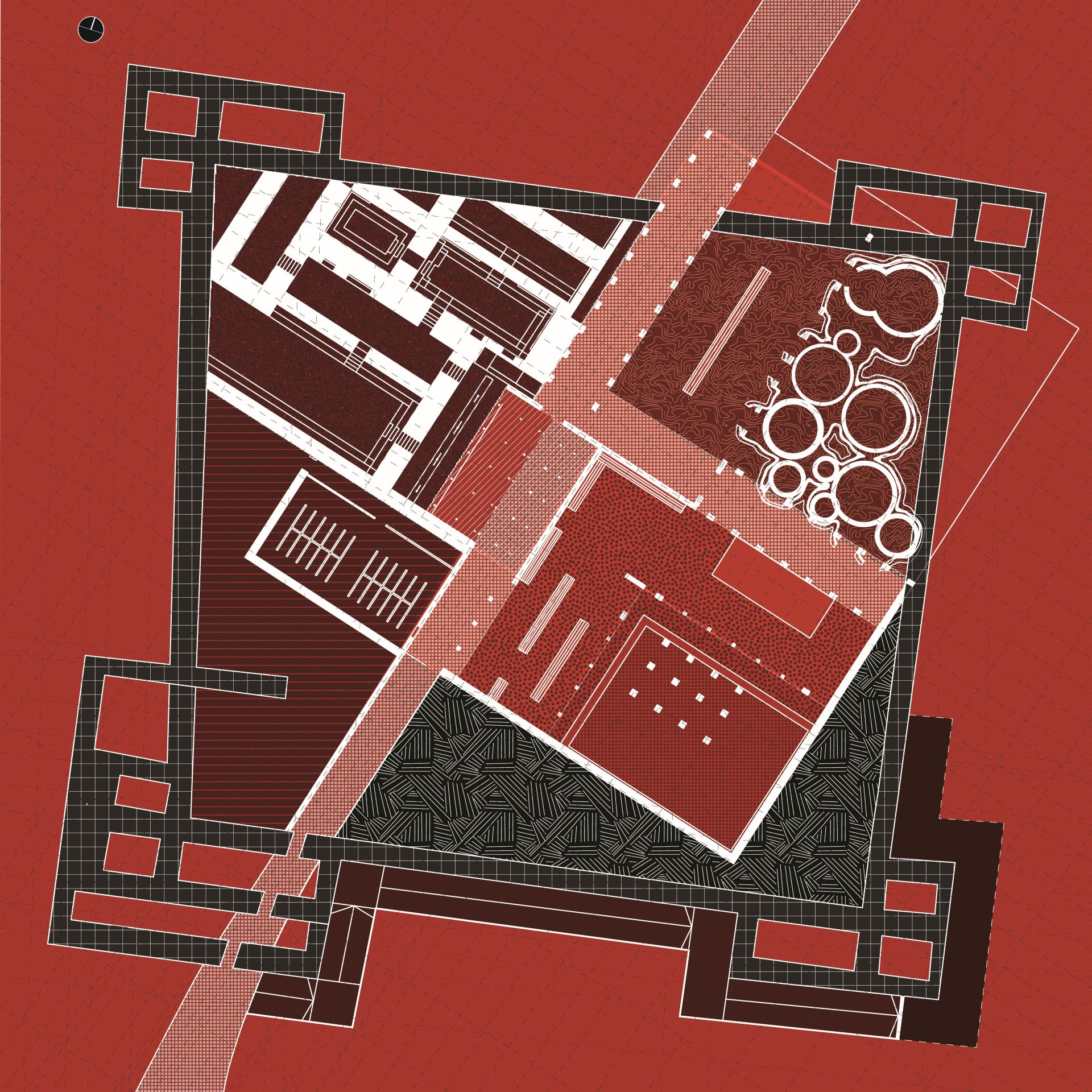
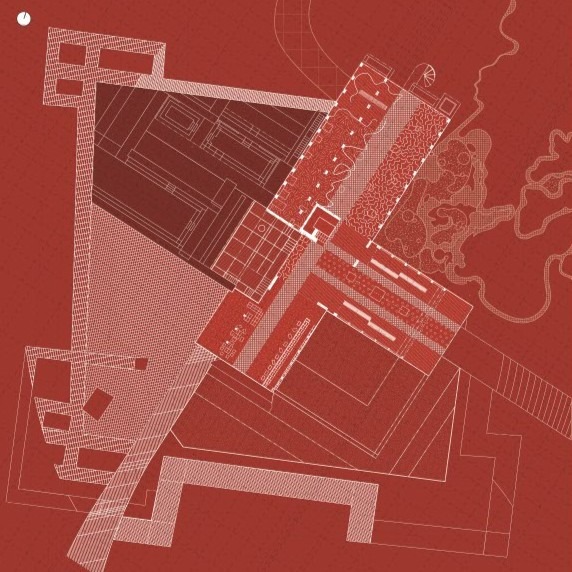
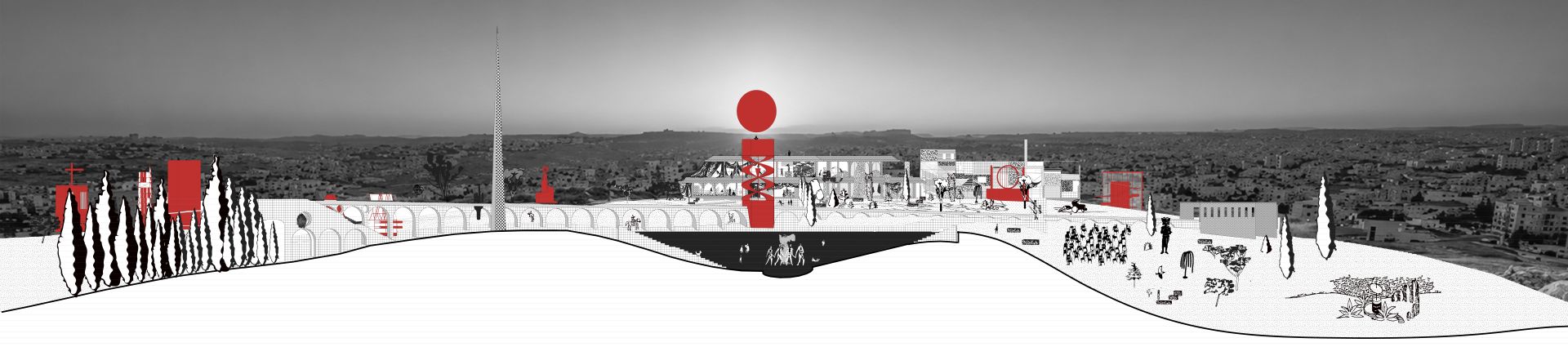
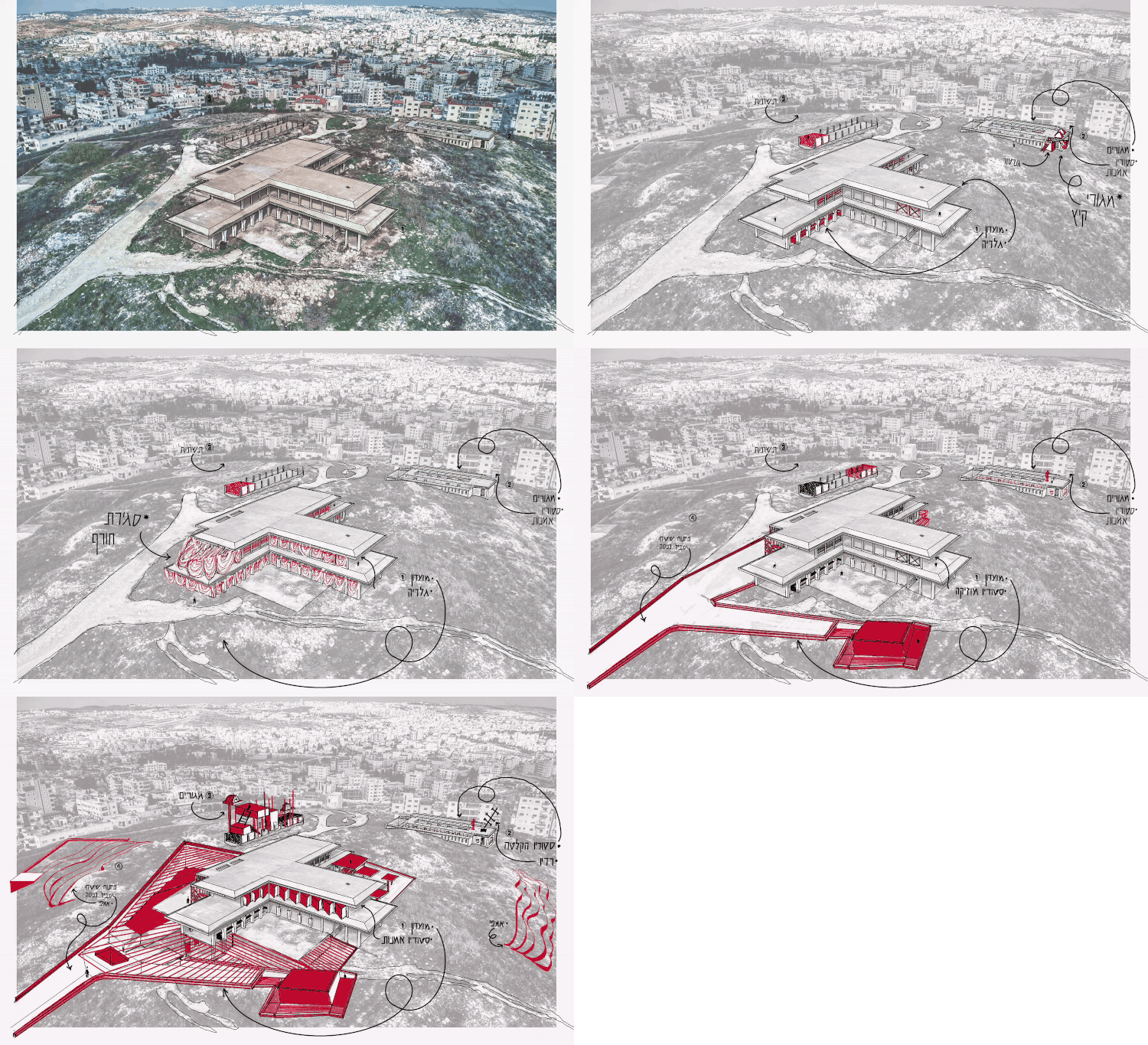
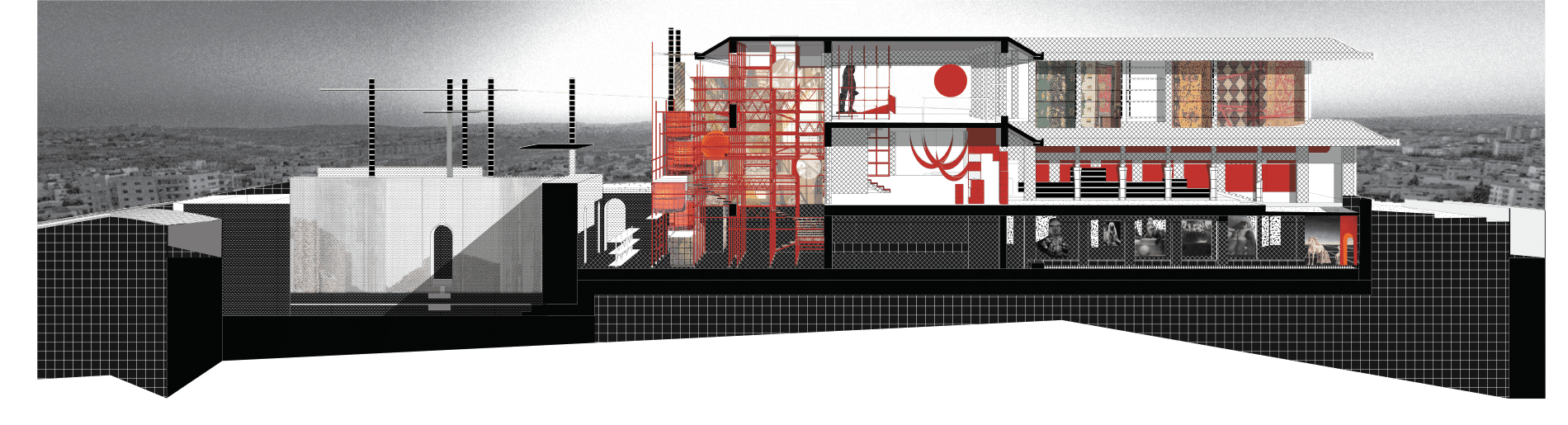
סיפור זה הוא הצעה אוטופית לעתידו של ארמון המלך חוסיין הנטוש בתל אל־פול, בצפון־מזרח ירושלים — אתר הנושא עמו שכבות של היסטוריה, גבול, הפרדה ומתח. העבודה מבקשת לדמיין מה עשוי להתרחש במקום לאחר שהקונפליקט הפוליטי נותר מאחור, ולשאול כיצד ניתן לתת צורה למתח שנצבר בגוף, בזיכרון ובמרחב.
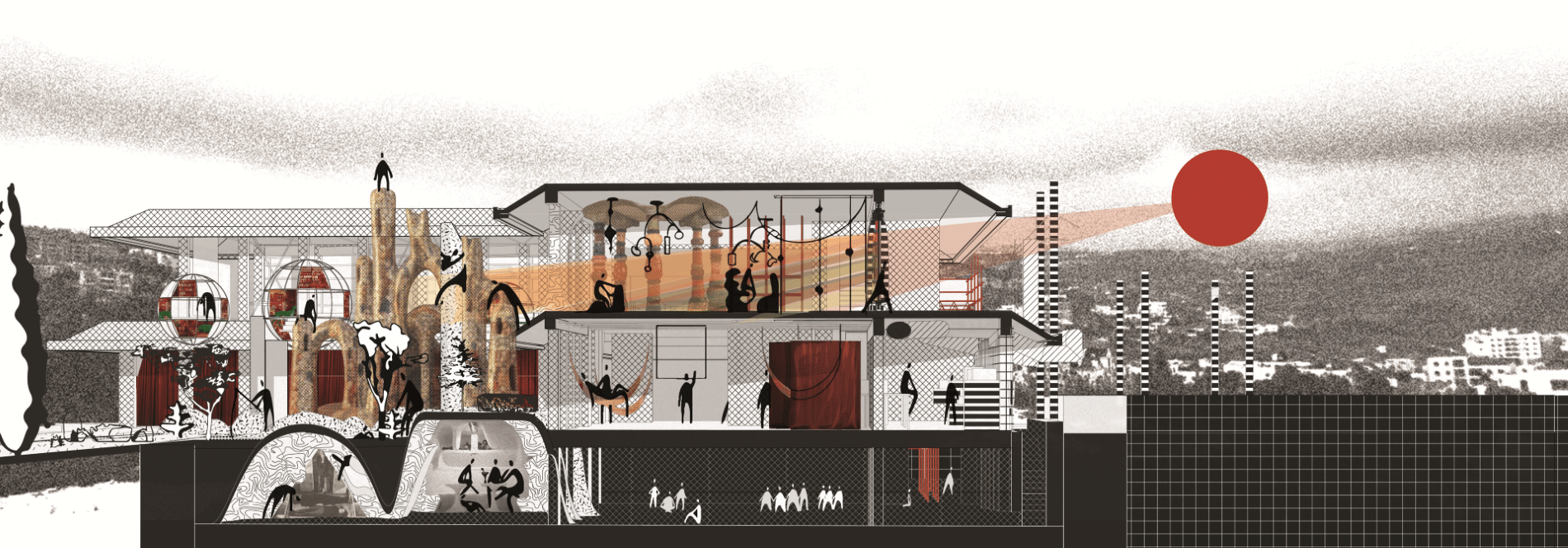
במקום שבו עמד פעם ארמון שנועד למלך, מוצע מרחב שנבנה על ידי מי שלא היו אמורים להיות בו מלכים כלל: אמנים, מוזיקאים, סקווטרים, מבקרים ותושבי העיר. הקתרזיס אינו רק השם של המקום, אלא האופן שבו הוא משתנה.
"Once there was a palace, standing alone and proud on the crest of a hill. It had been built to be the residence of a great king, but the king never came. War came instead. Borders were drawn, and from them rose a wall until it concealed the horizon. For sixty years the palace stood in silence, until one day the wall finally collapsed and the horizon opened again.
Through the ruins came the young: colorful, strange — artists, in a word. They found in the palace a home, a roof for their rebellion, and began to build a new world from whatever they found there: fragments of concrete, nets, cables, fabrics, and remnants of the wall. And so the place became a home, and they called it 'The Catharsis'."
The project proposes a utopian future for the abandoned King Hussein Palace at Tel al-Ful, in northeastern Jerusalem. In a place where borders, separation, and tension had accumulated for decades, it imagines a space in which tension is not suppressed, but transformed into a material for action.
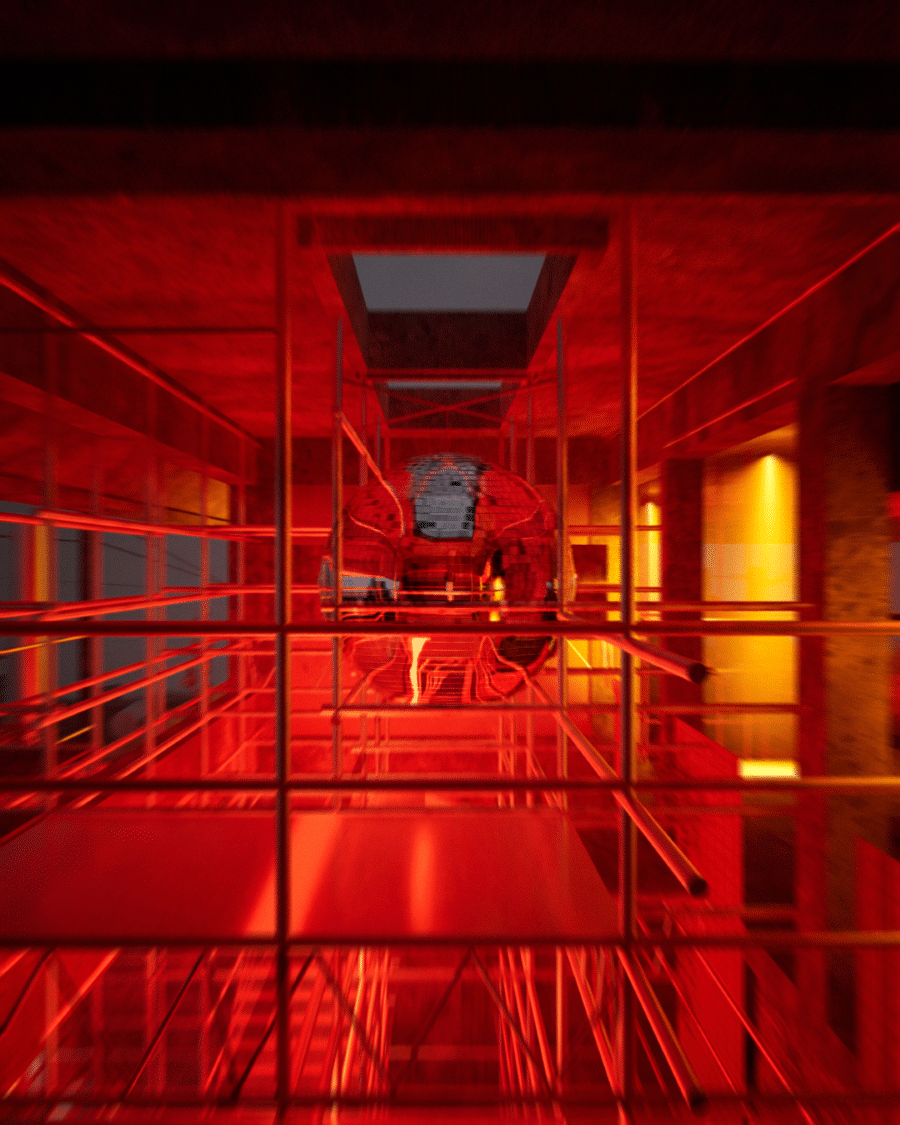
The palace becomes a club and an artistic space, built and continually transformed through its use. Music and sound move through its spaces; workshops produce and dismantle materials; gardens grow from water infrastructures; and different spaces allow movement between introspection and eruption, between individual action and collective experience.