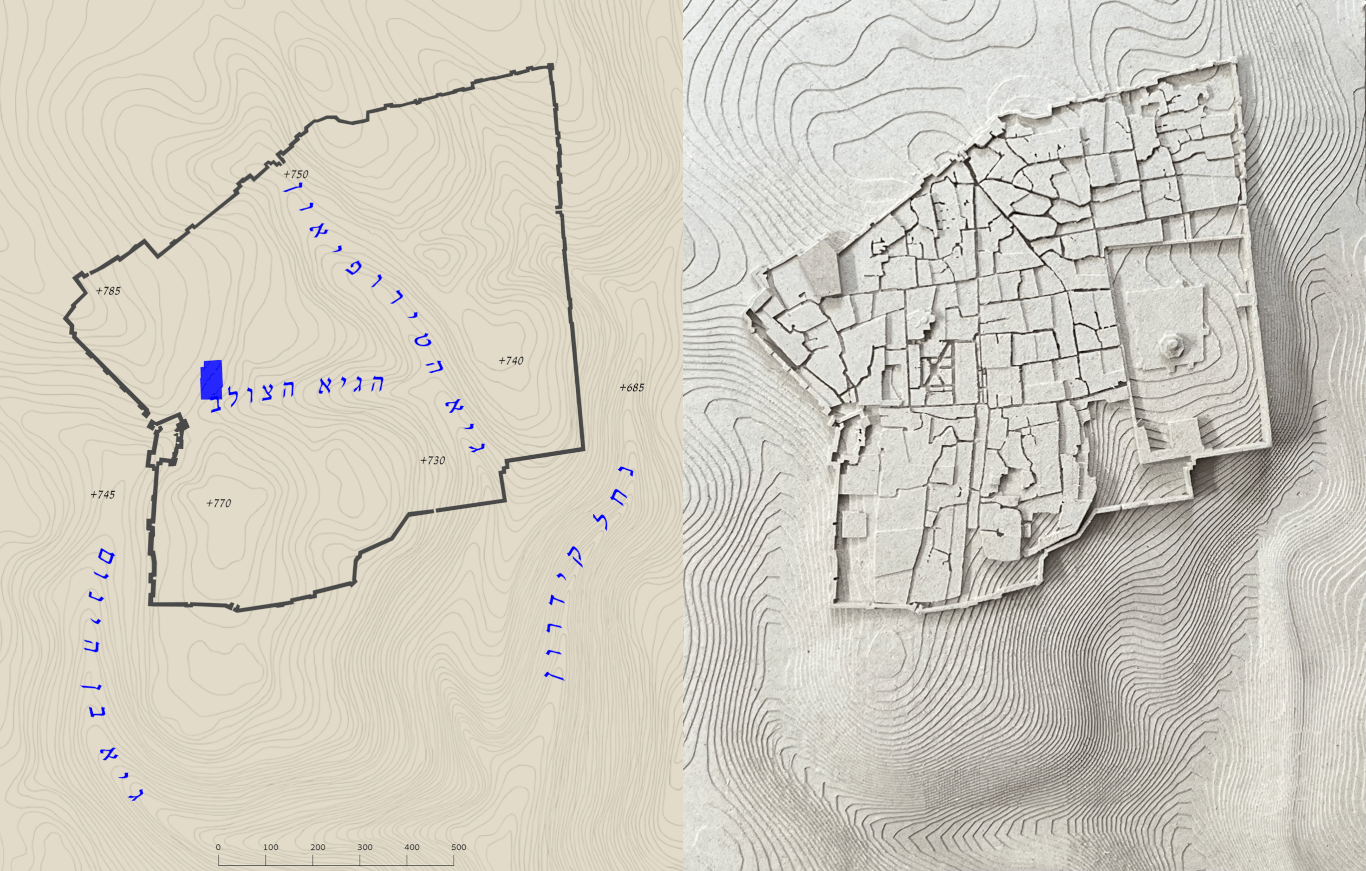
ההיסטוריה של ירושלים הושפעה באופן ישיר מאספקת המים אליה. בניגוד לערים מרכזיות אחרות היא אינה חולשת על נהר גדול או קרובה לנתיבי סחר משמעותיים, הטופוגרפיה ומקורות המים המועטים שבסביבתה הקשו מאוד על המתיישבים בה – דבר שהביא לפתרונות יצירתיים לאורך אלפי שנים שאפשרו את התפתחותה של העיר.
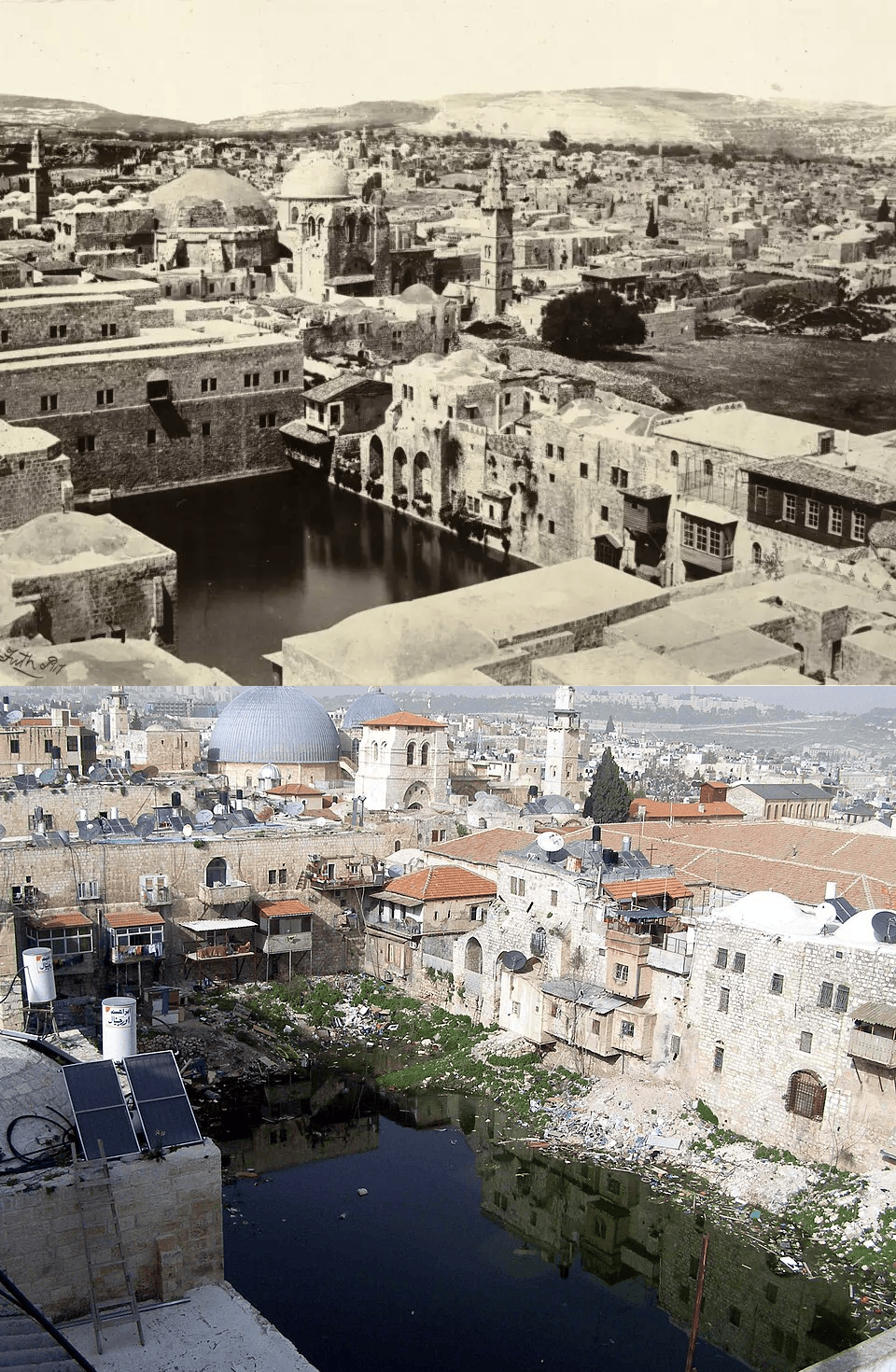
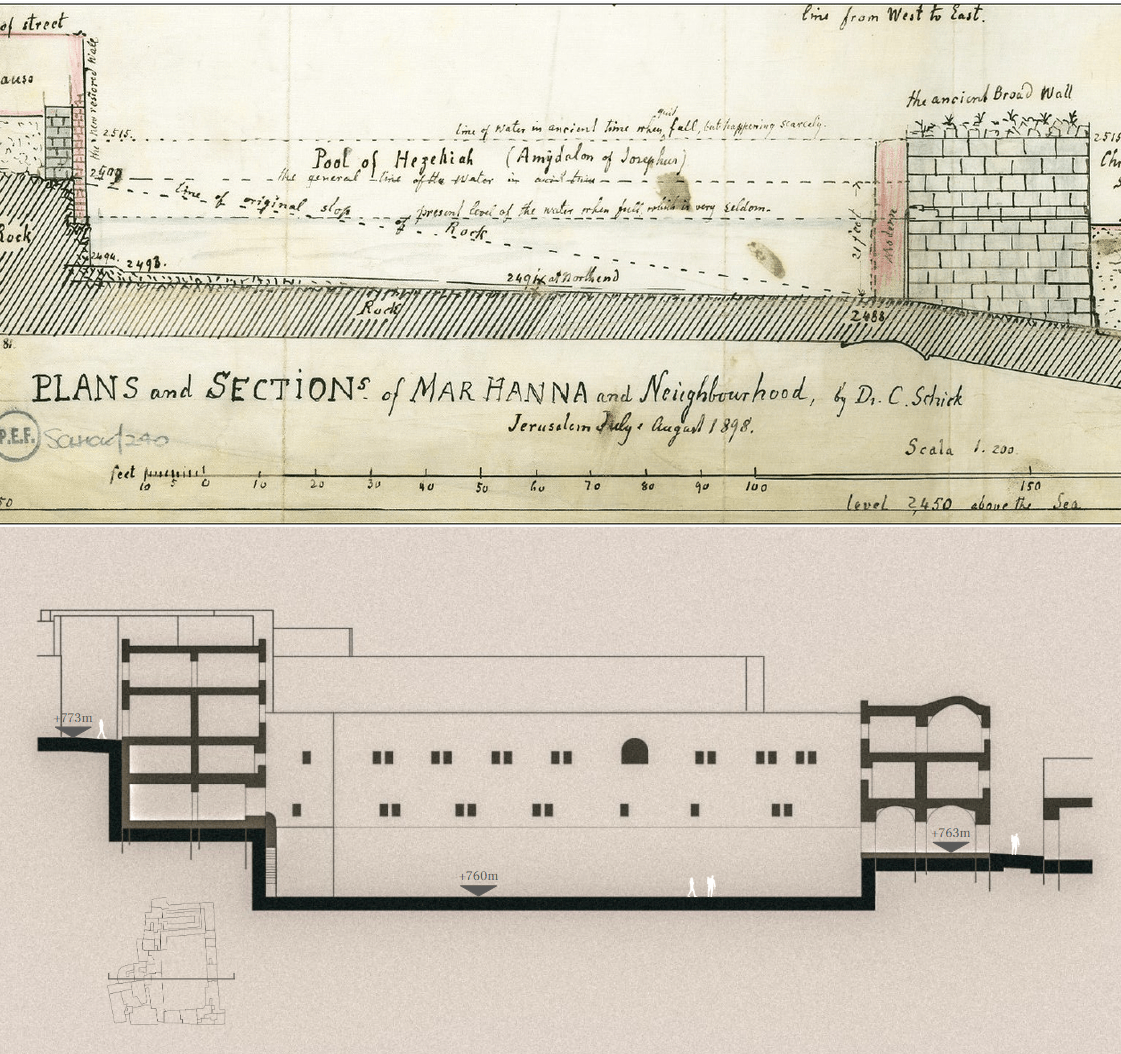
בריכת חזקיהו היא אחד מאותם פתרונות יצירתיים – נבנתה בסוף תקופת בית שני ושימשה לאיסוף מי נגר עילי, שטחה כ־2800 מ"ר והיא חצובה בסלע האם באזור שהיה בפאתי העיר, ככל שהתפתח הבינוי סביבה היא חדלה מלשמש לאיסוף מי נגר והוזרמו אליה אמות מים ממקומות קרובים, השימוש בה נעשה עד סוף המאה ה־19. אתר זה הוא אחד מהשרידים הבולטים (והבודדים) ממערך האספקה המורכב של תקופה זו.
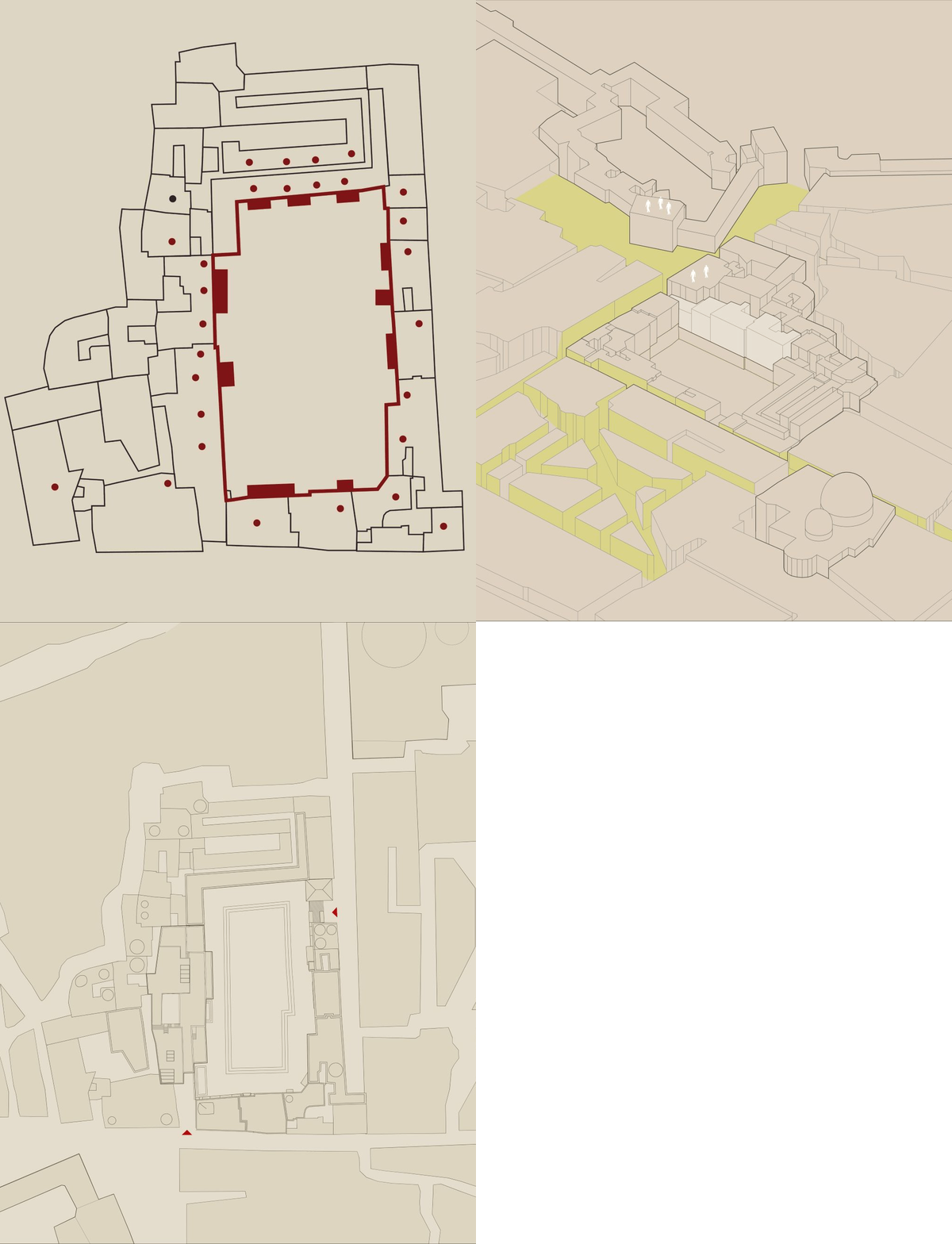
שיטוט בסמטאות העיר המקיפות את הבריכה ברובע הנוצרי לא ירמז כלל על מה שנמצא מעבר לבינוי – הבריכה חסומה על ידי המבנים שתוחמים אותה. כיום, הבריכה נמצאת במצב מוזנח שאינו הולם את חשיבותה כולל כמויות זבל שנזרקות אליה מהמבנים הסמוכים. פרויקט זה בוחן התערבות נקודתית במרקם ההיסטורי רגיש מתוך הבנת הפוטנציאל הגלום באתר.
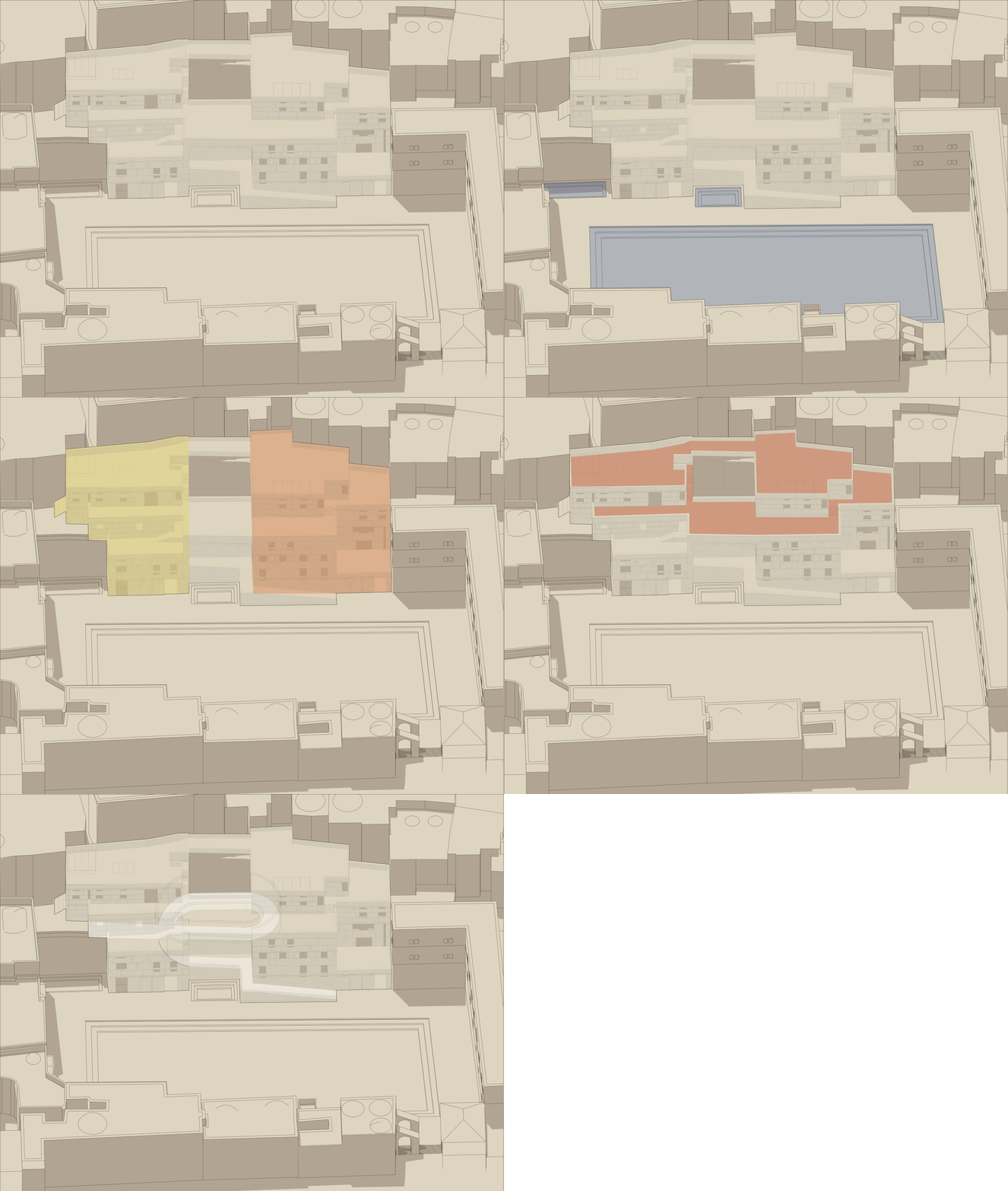
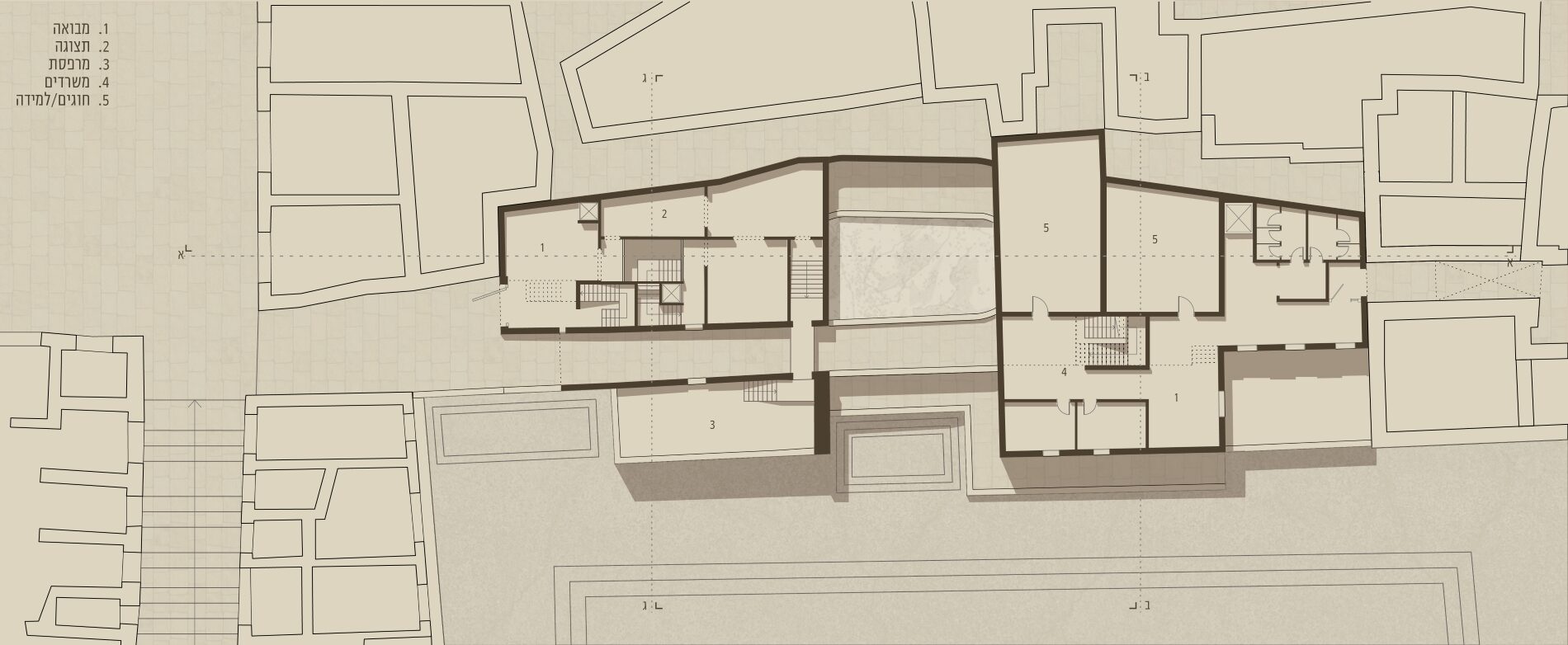
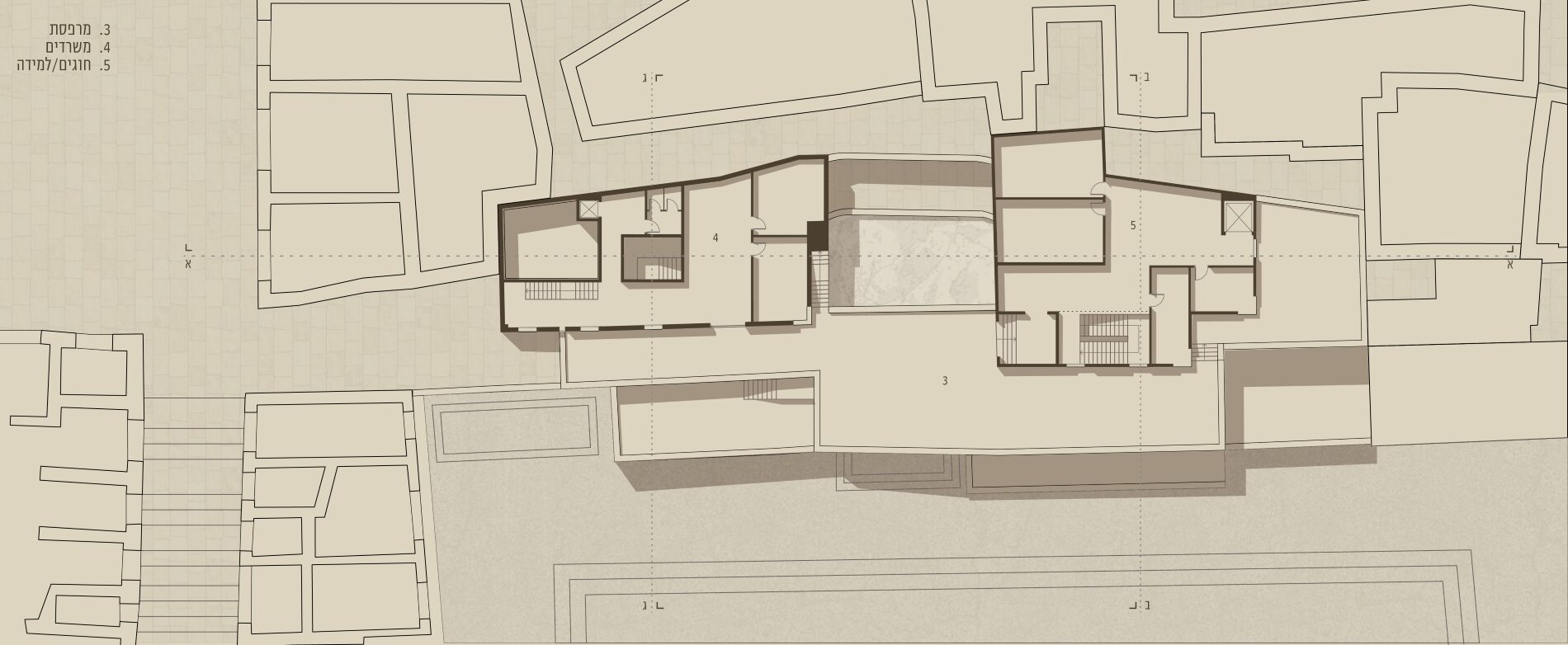
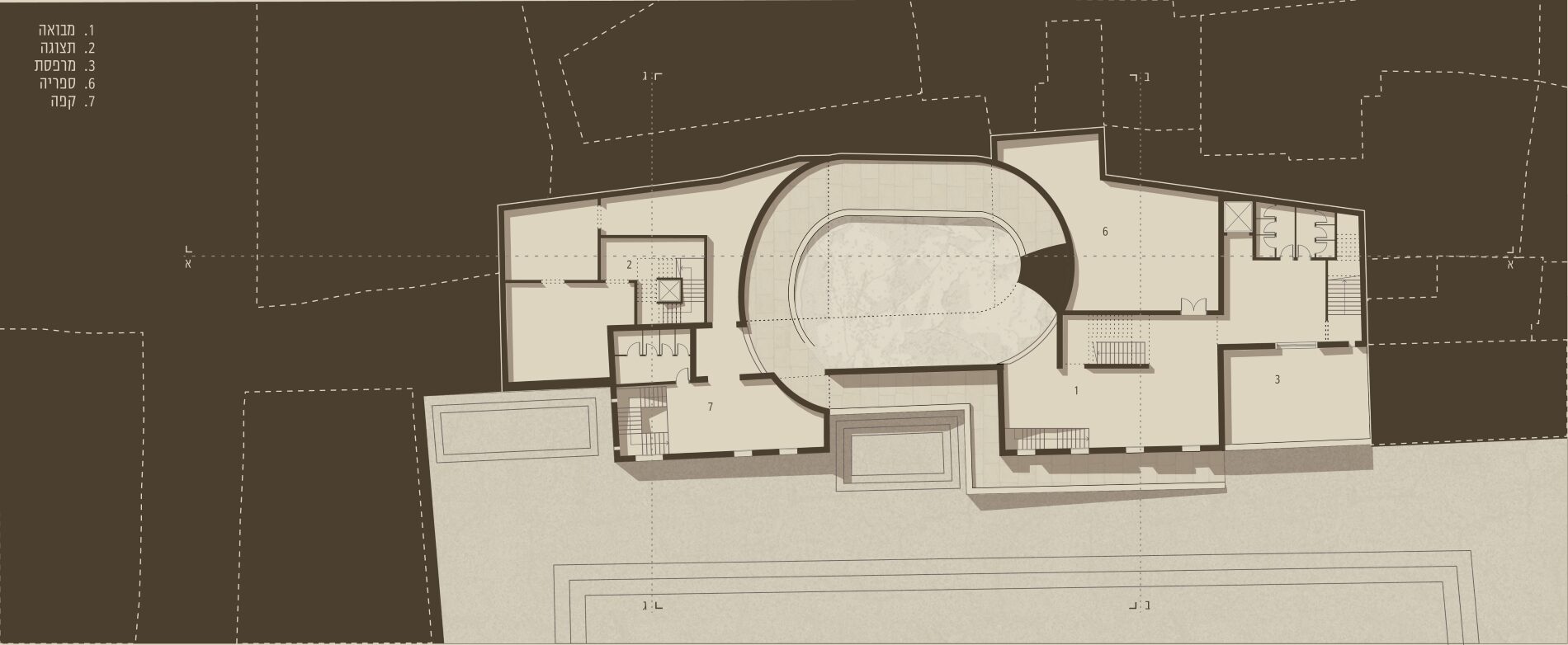
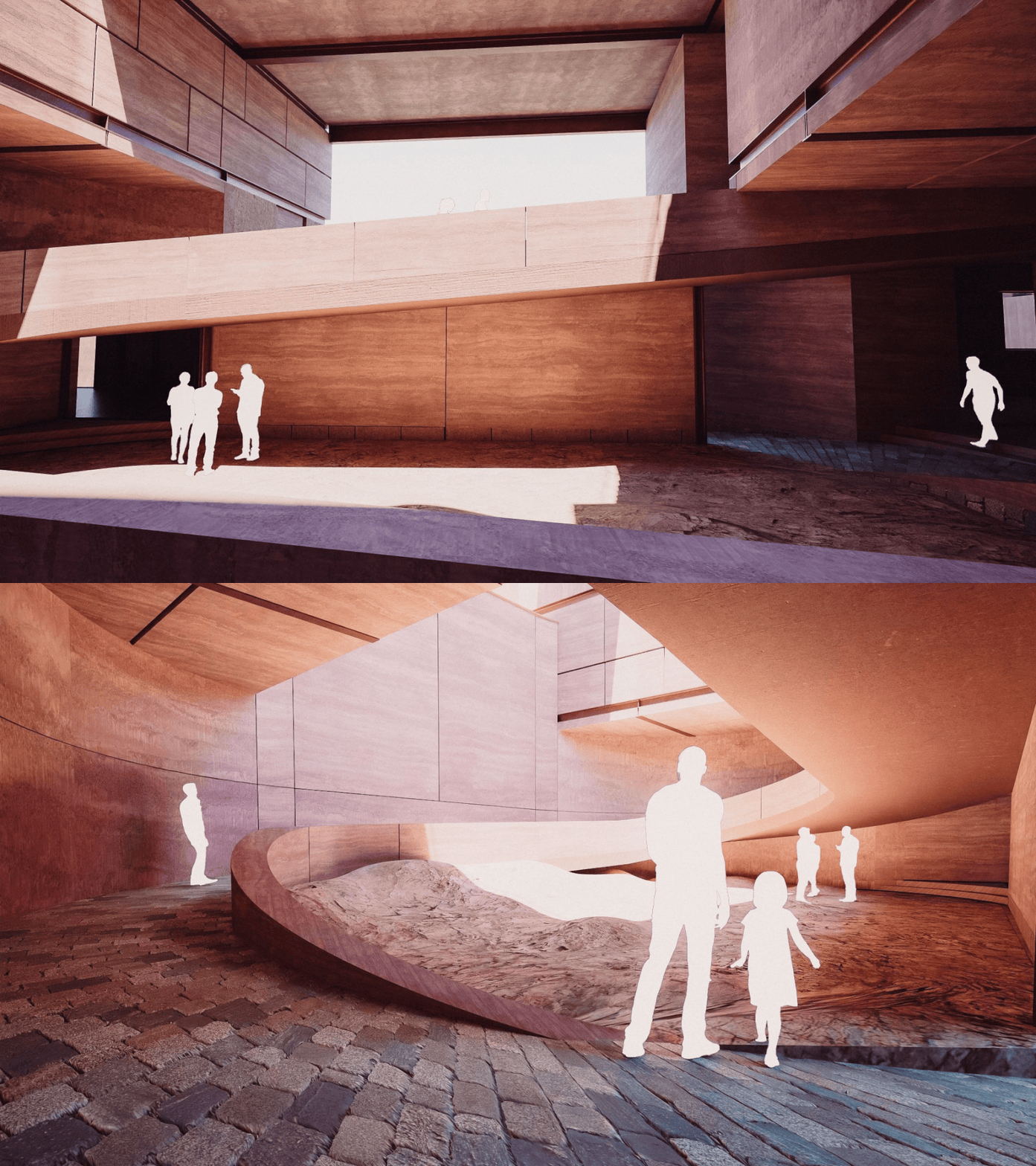
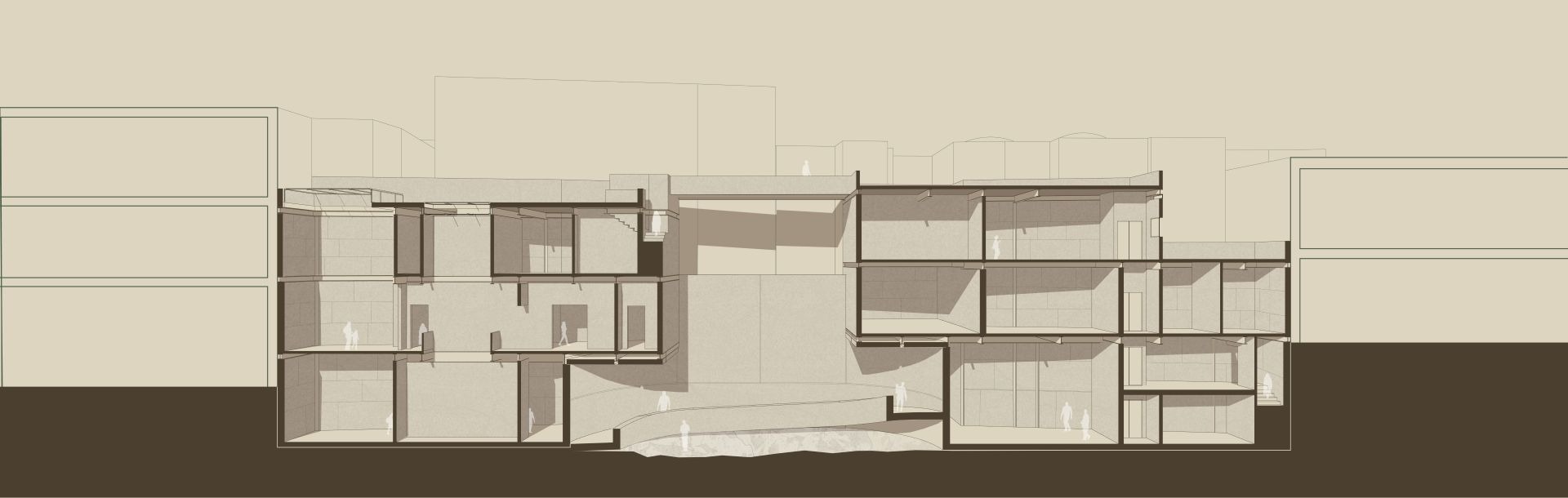
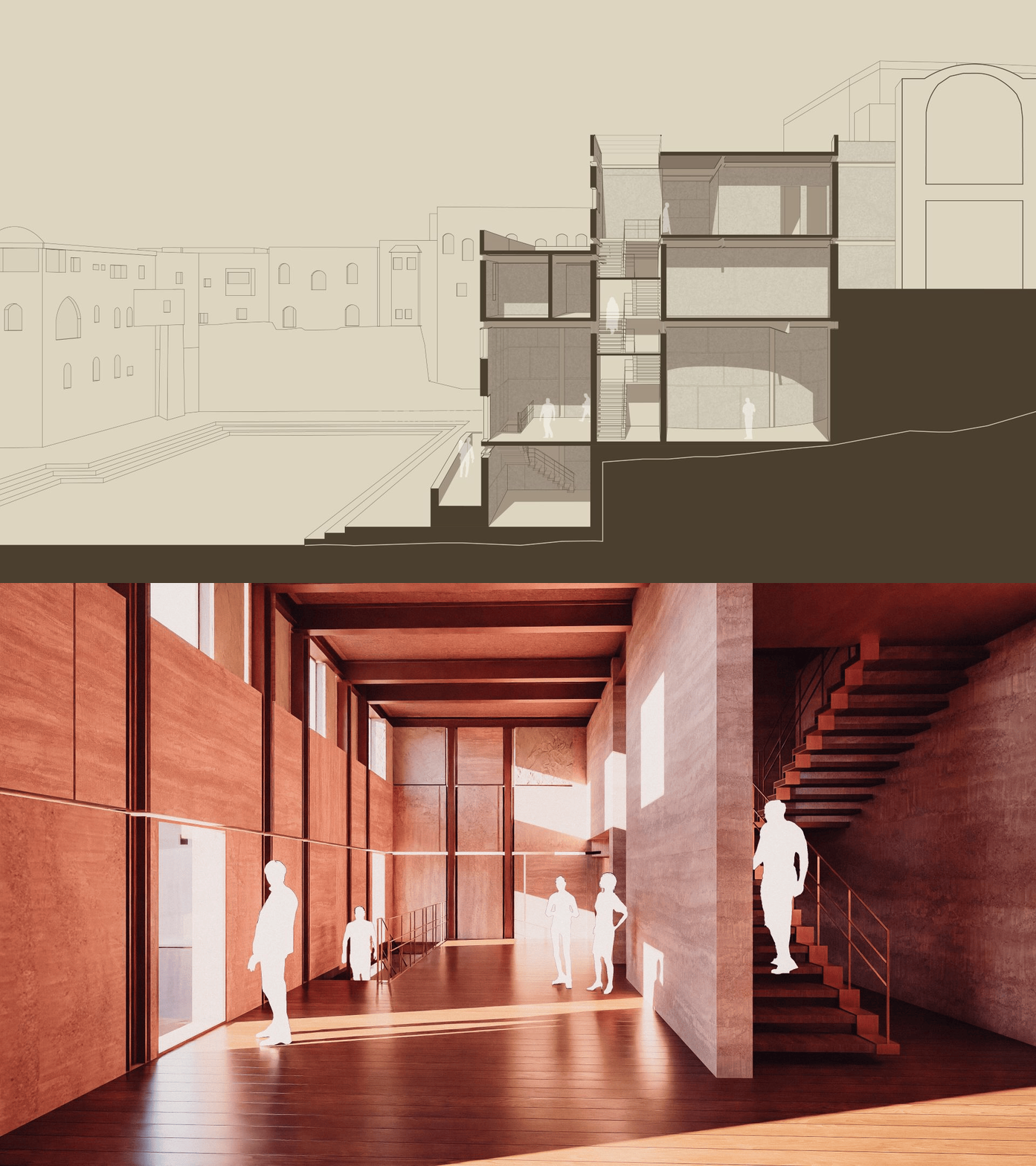
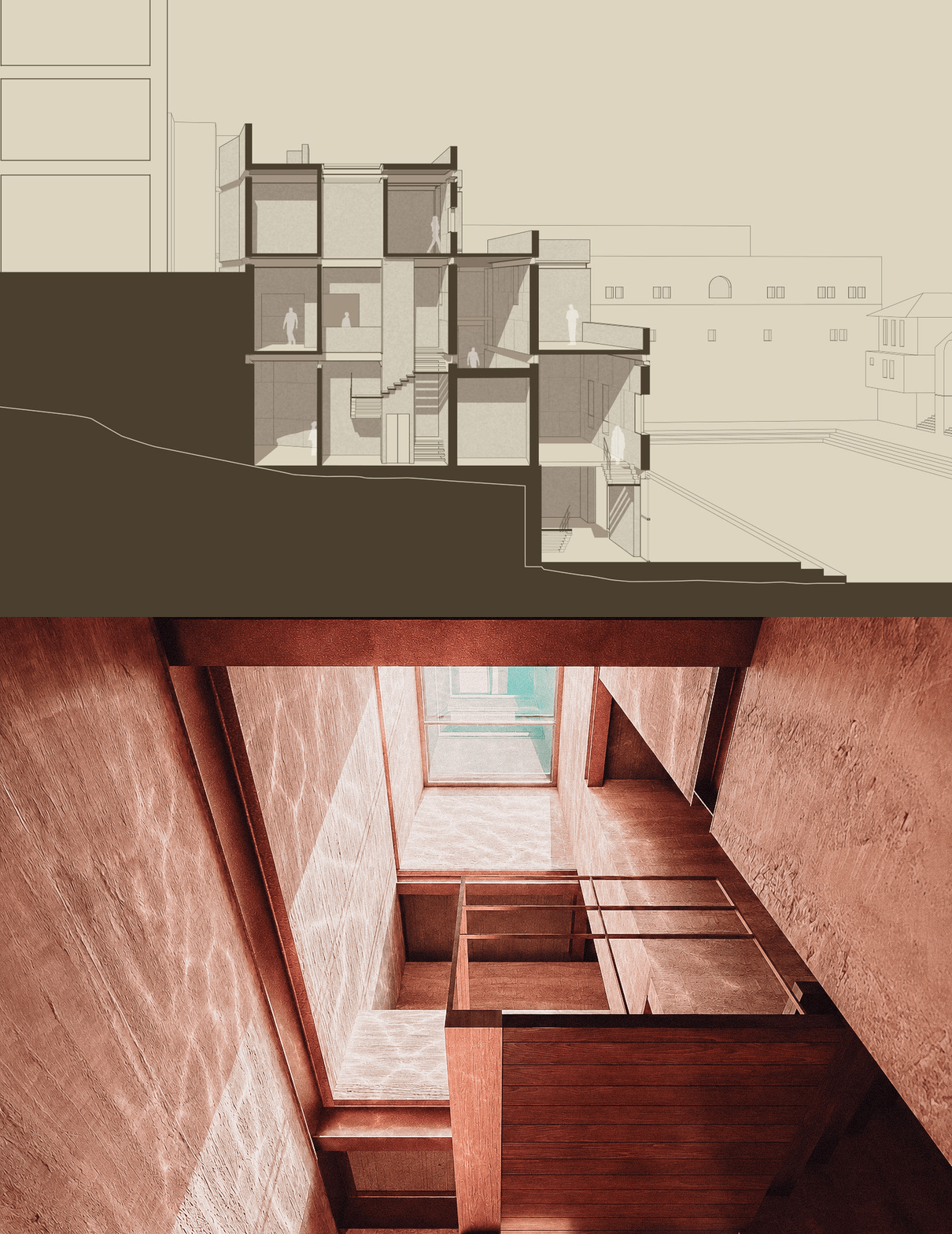
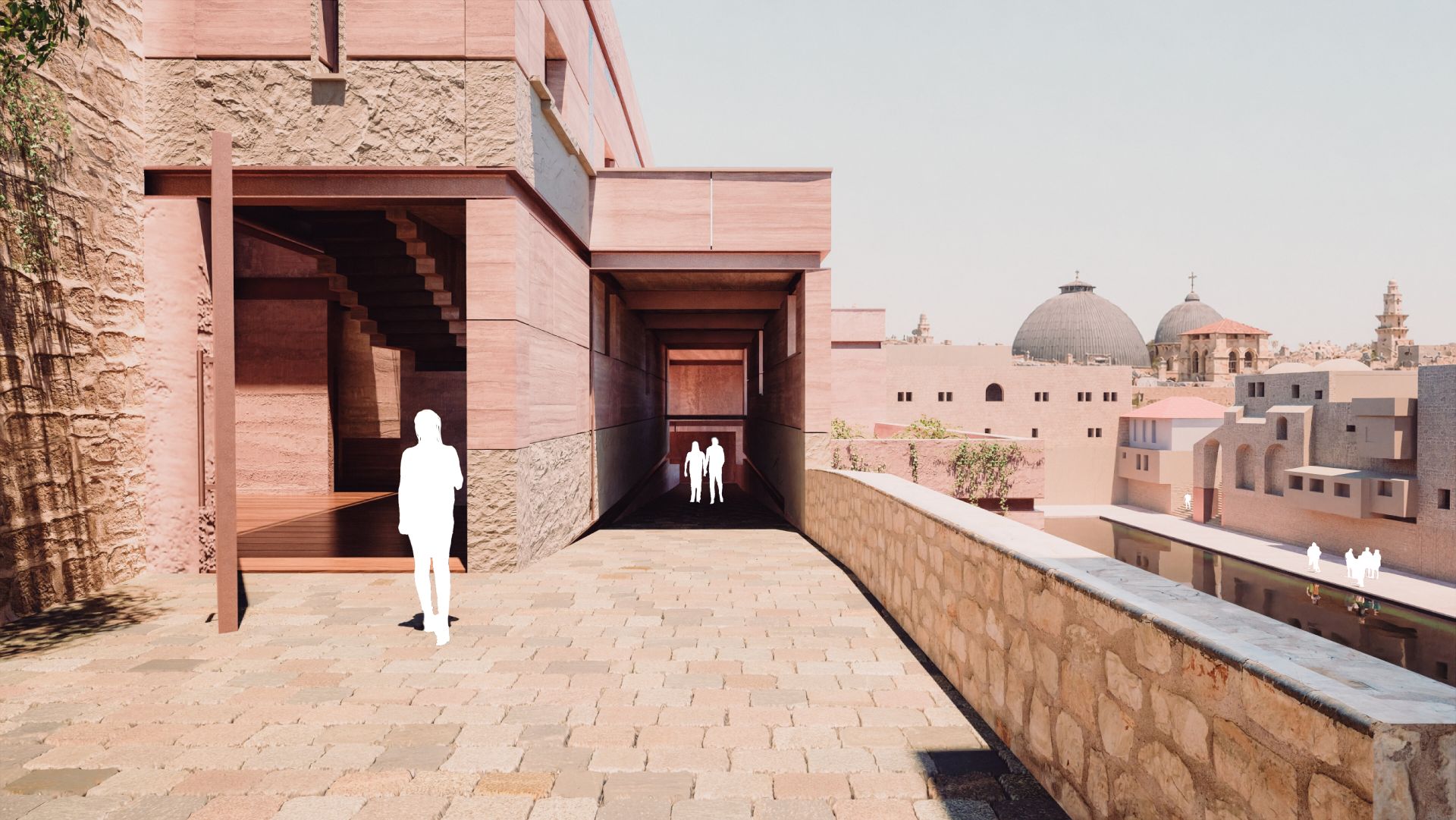
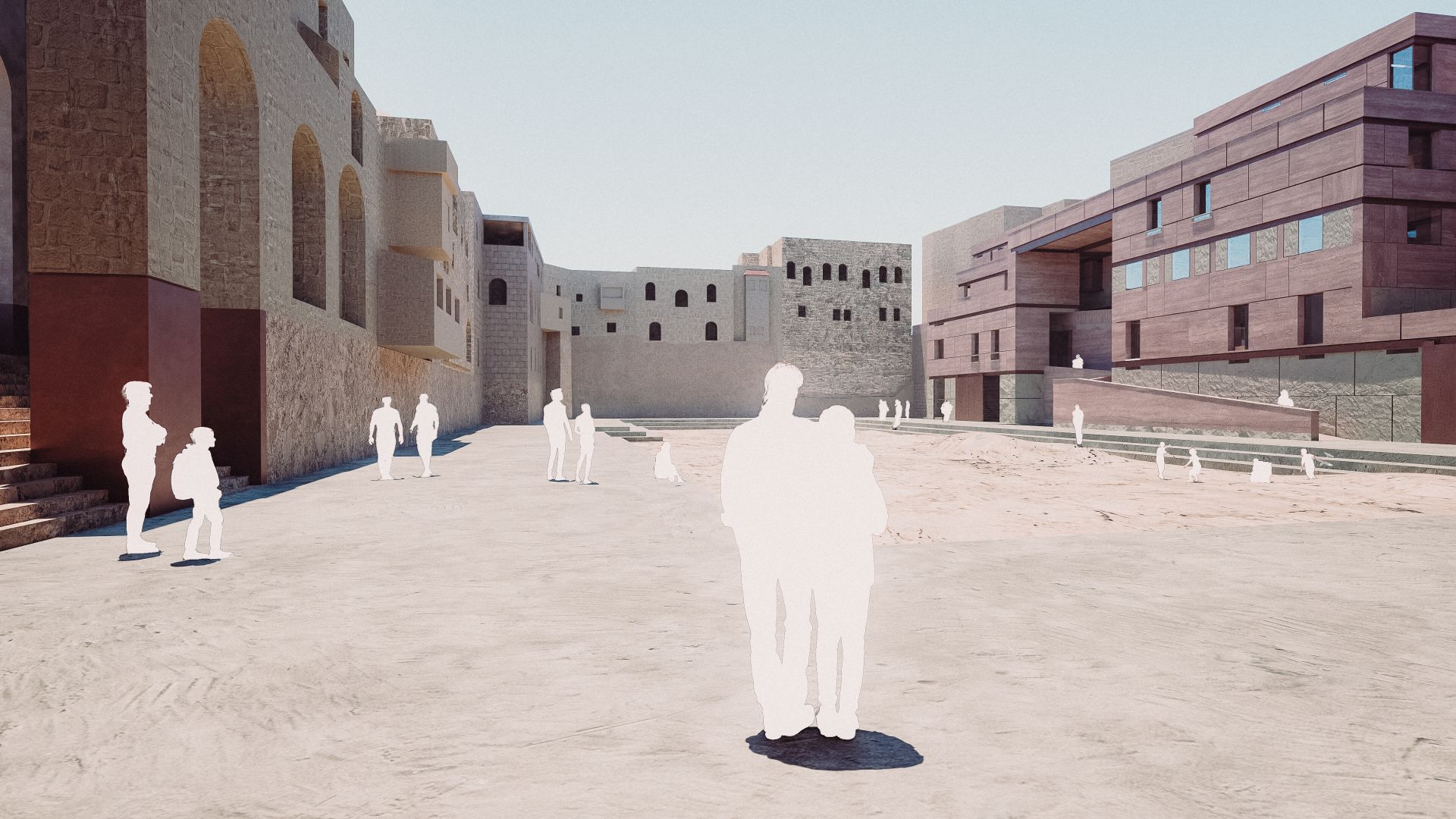
המטרה היא להנגיש ולהנכיח את בריכת חזקיהו ע"י הפיכתה לכיכר עירונית – קודם כל על ידי פתיחת כניסות אליה, כמו גם יצירת דופן ציבורית חדשה לכיכר – מהלך שיצריך הריסה של חלק מהמבנים בצד המערבי של הבריכה בכדי ליצור מבנה שיחולק ל-2 ויכלול מוזיאון לתולדות המים בירושלים ומרכז קהילתי של הרובע הנוצרי.
The history of Jerusalem has been directly shaped by its water supply. Unlike other major cities, it does not lie on a large river or close to significant trade routes. The topography and the limited water sources in its surroundings made life particularly difficult for its inhabitants, leading over thousands of years to creative solutions that enabled the city to develop.
Hezekiah’s Pool is one of those solutions. It was built at the end of the Second Temple period and was used to collect surface runoff. The pool covers an area of approximately 2,800 square meters and was hewn into the bedrock in an area that was then on the outskirts of the city. As the surrounding urban fabric developed, the pool gradually ceased to function as a runoff reservoir, and water was instead supplied to it through aqueducts from nearby sources. It remained in use until the end of the 19th century. The site is one of the most prominent—and relatively rare—remnants of the complex water-supply system of that period.
Walking through the alleys surrounding the pool in the Christian Quarter gives almost no indication of what lies beyond the buildings, as the pool is enclosed and concealed by the structures around it. Today, the pool is in a neglected condition that does not reflect its historical importance, including large amounts of waste thrown into it from nearby buildings. This project examines a focused intervention within the sensitive historic urban fabric, based on an understanding of the site’s inherent potential.
The aim is to make Hezekiah’s Pool accessible and visible by transforming it into an urban square. This would begin with opening new entrances to the site, as well as creating a new public program for the square. The intervention would require the demolition of part of the buildings along the western side of the pool in order to create a new structure divided into two parts, containing a museum dedicated to the history of water in Jerusalem and a community center for the Christian Quarter.
تأثّر تاريخ القدس بشكل مباشر بإمدادات المياه إليها. وعلى خلاف مدن مركزية أخرى، لا تقع القدس على نهر كبير ولا بالقرب من طرق تجارة رئيسية. كما أن تضاريسها ومصادر المياه المحدودة في محيطها شكّلت تحديًا كبيرًا لسكانها، وهو ما أدى على مدى آلاف السنين إلى ابتكار حلول خلاقة مكّنت المدينة من التطور.
بركة حزقيا هي إحدى هذه الحلول المبتكرة. أُنشئت في أواخر فترة الهيكل الثاني، واستُخدمت لتجميع مياه الجريان السطحي. تبلغ مساحتها نحو 2,800 متر مربع، وهي محفورة في الصخر الطبيعي في منطقة كانت تقع آنذاك على أطراف المدينة. ومع تطور البناء حولها، توقفت تدريجيًا عن أداء وظيفتها كخزان لمياه الجريان، وبدأ تزويدها بالمياه عبر قنوات مائية من مصادر قريبة. واستمر استخدامها حتى نهاية القرن التاسع عشر. ويُعد هذا الموقع أحد أبرز البقايا، ومن بين القليلة المتبقية، من منظومة إمداد المياه المعقدة التي تعود إلى تلك الفترة.
لا يوحي التجول في الأزقة المحيطة بالبركة في الحي المسيحي بشيء مما يوجد خلف المباني، إذ إن البركة محجوبة بالكامل تقريبًا بواسطة الأبنية التي تحيط بها. واليوم، تعاني البركة من حالة من الإهمال لا تتناسب مع أهميتها التاريخية، بما في ذلك كميات كبيرة من النفايات التي تُلقى إليها من المباني المجاورة. يبحث هذا المشروع في تدخل موضعي ضمن نسيج تاريخي حساس، انطلاقًا من فهم الإمكانات الكامنة في هذا الموقع.
يهدف المشروع إلى إتاحة الوصول إلى بركة حزقيا وإبراز حضورها في المدينة من خلال تحويلها إلى ساحة حضرية. ويبدأ ذلك بفتح مداخل جديدة إليها، إلى جانب إنشاء واجهة عامة جديدة للساحة. ويتطلب هذا التدخل هدم جزء من المباني الواقعة على الجانب الغربي من البركة، بهدف إنشاء مبنى جديد ينقسم إلى جزأين ويضم متحفًا لتاريخ المياه في القدس، ومركزًا مجتمعيًا للحي المسيحي.