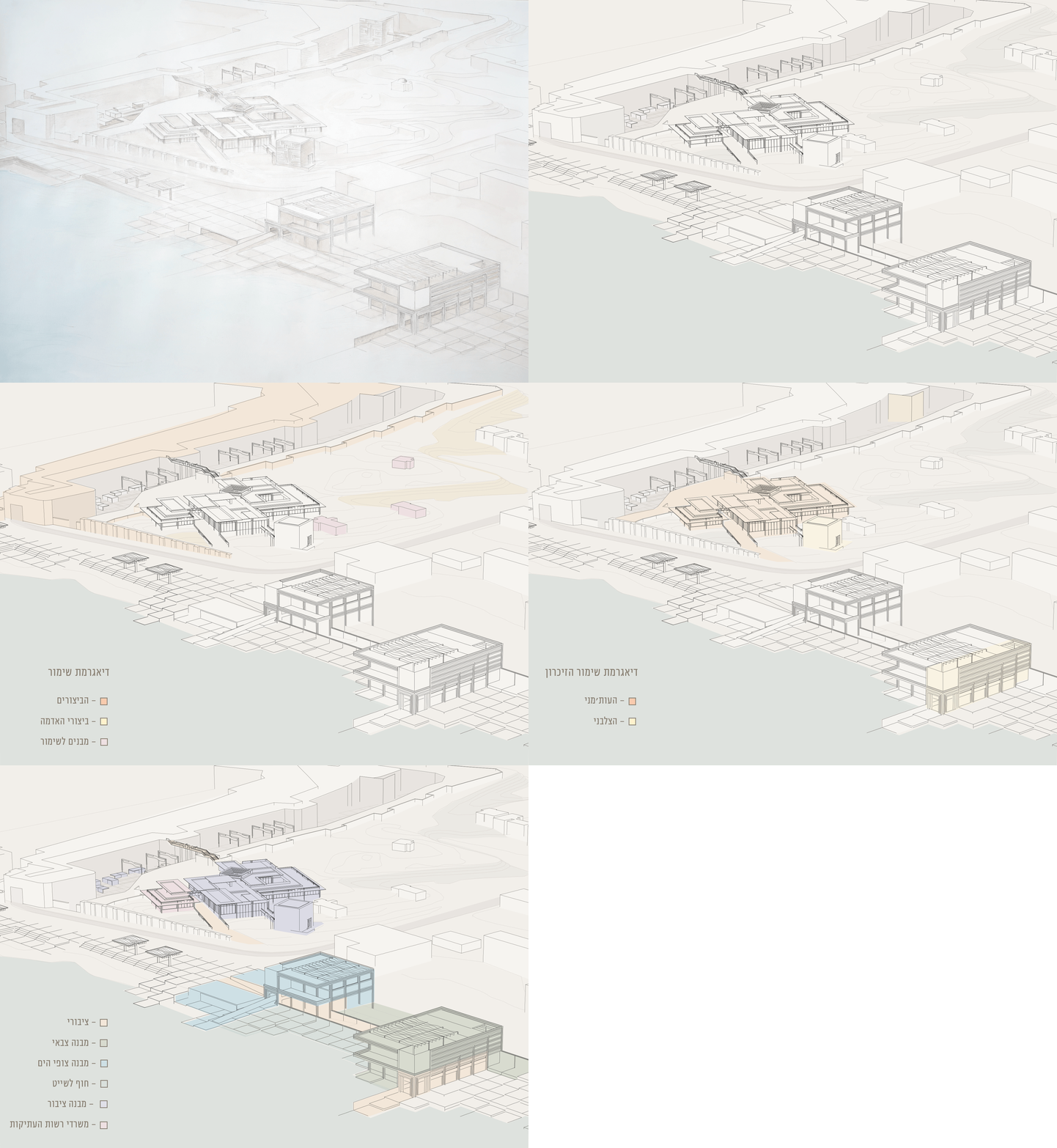
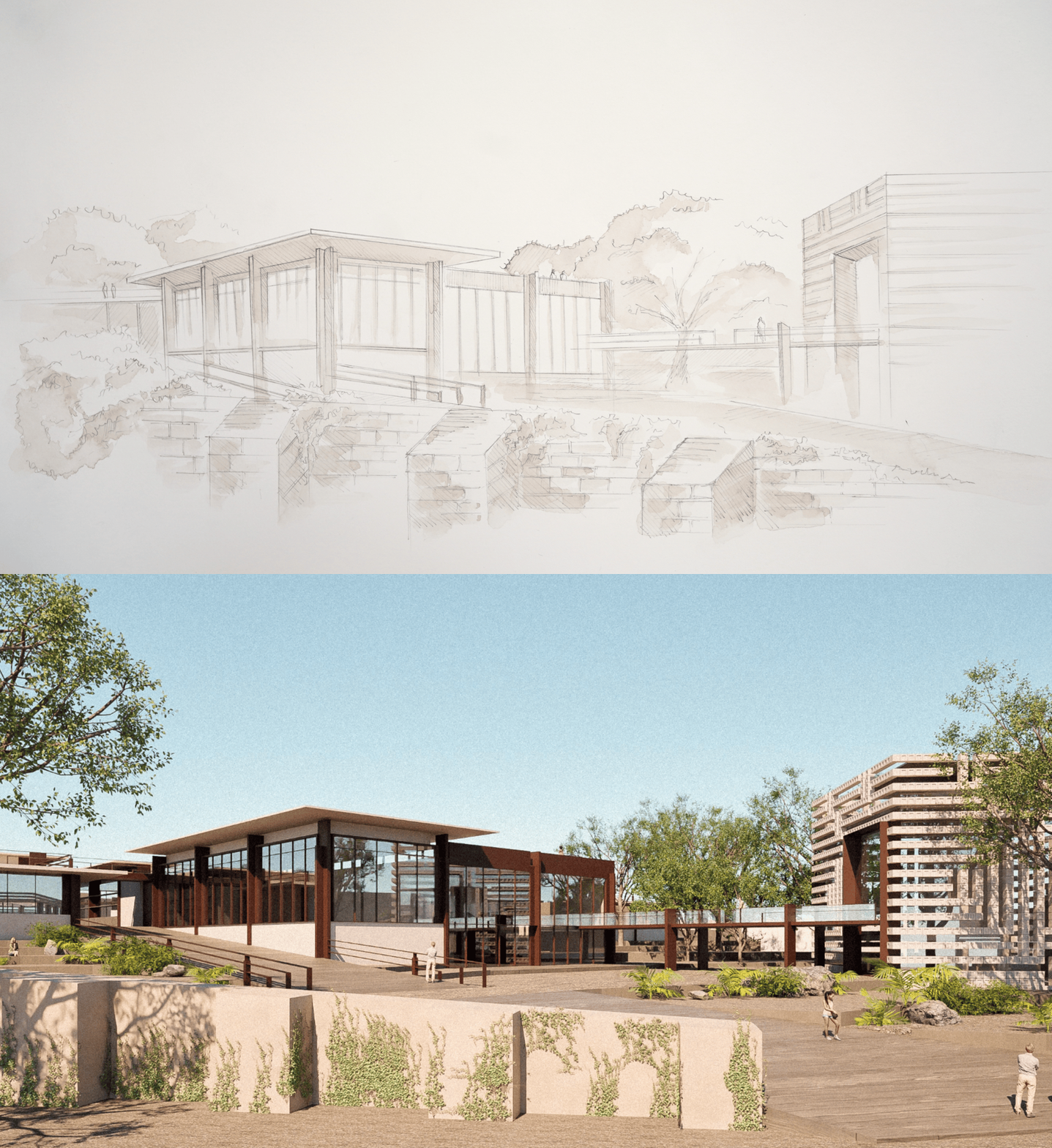
הפרויקט עוסק בשאלה כיצד ניתן לשמר שכבות היסטוריות שאינן קיימות עוד במרחב, אך ממשיכות לחיות כחלק מהזיכרון התרבותי והעירוני של המקום.
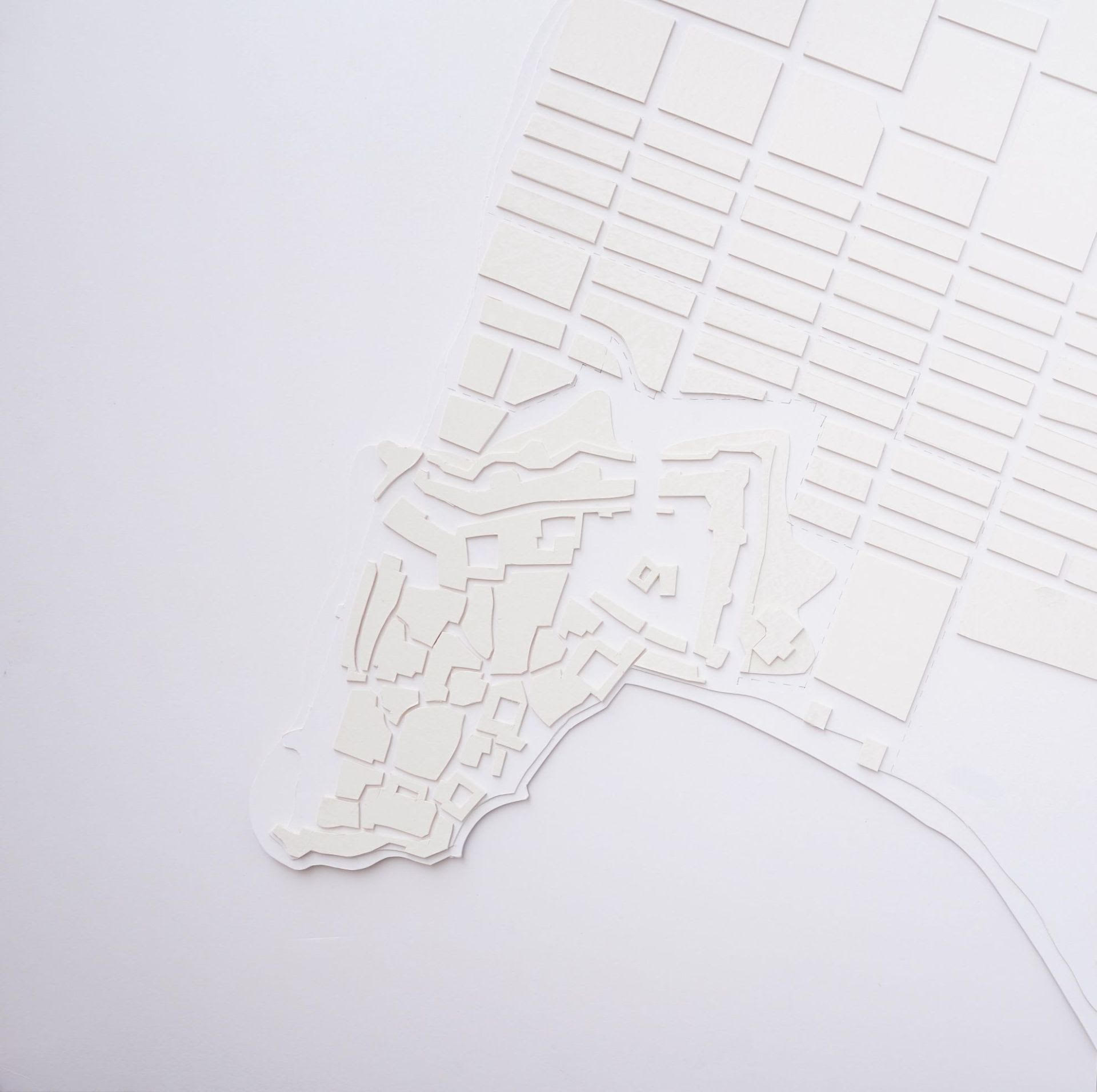
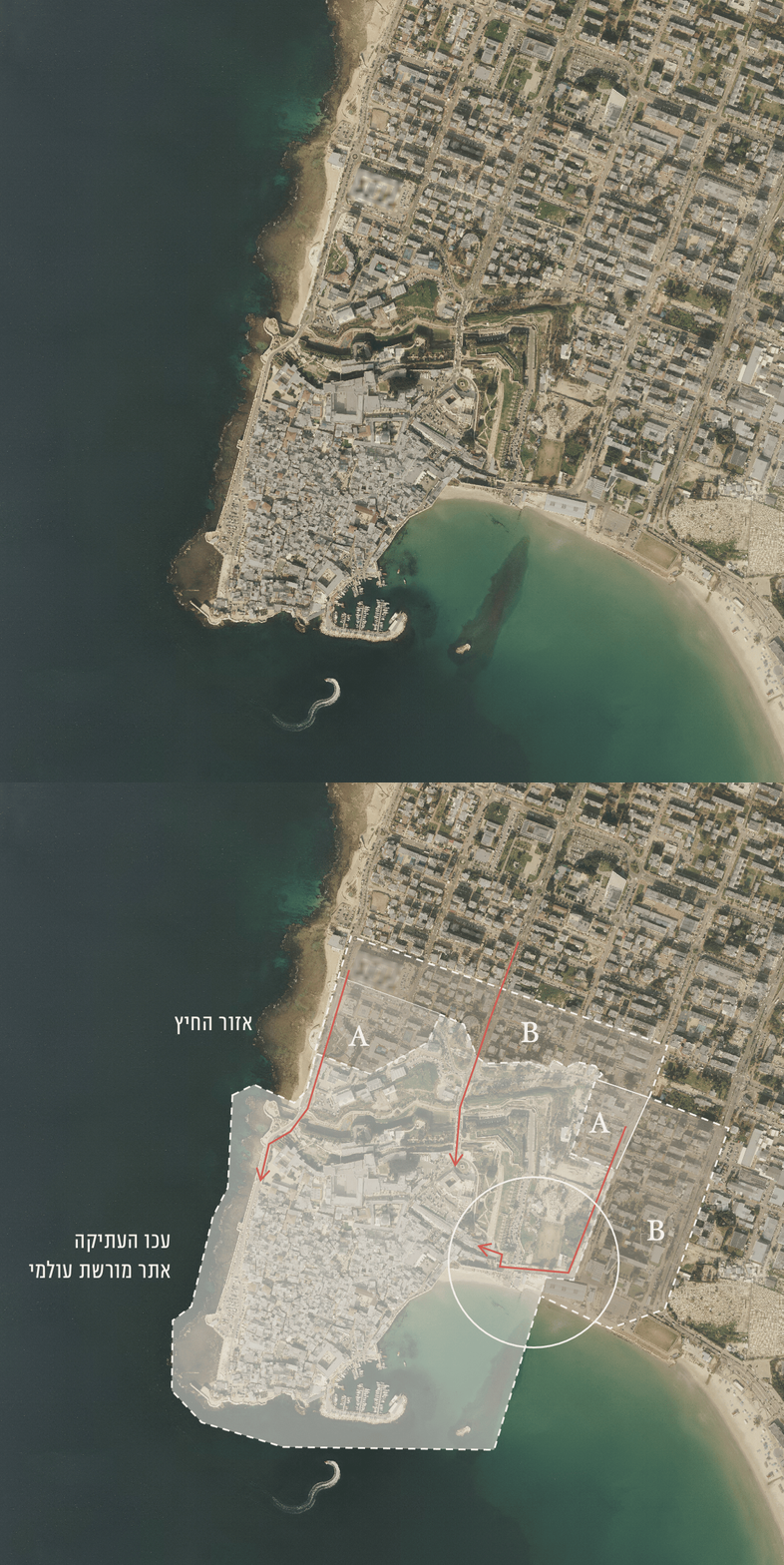
האתר הנבחר הוא אזור החיץ שבין עכו העתיקה ועכו המודרנית ובינן לבין הים. המרחב יושב על גבי הביצורים ההיסטוריים מן התקופה הצלבנית והעות’מנית — מערך הביצורים שאפשרו לעכו לשמר את אופייה כעיר עות’מני היסטורית ולהישאר עיר עתיקה כמעט ללא חדירה של בנייה מודרנית מה שהקנה לה את התואר של עיר מורשת על ידי אונסקו.
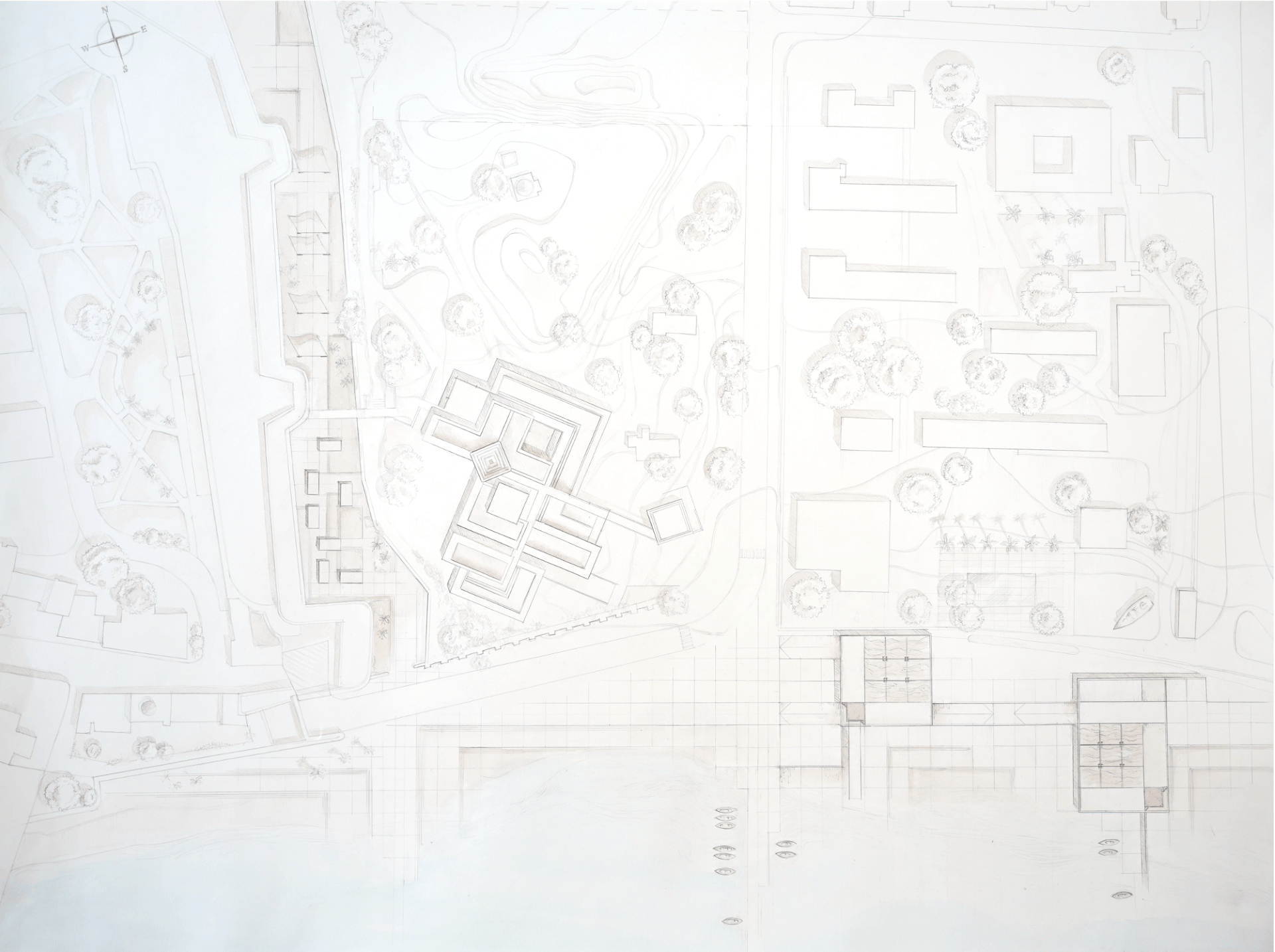
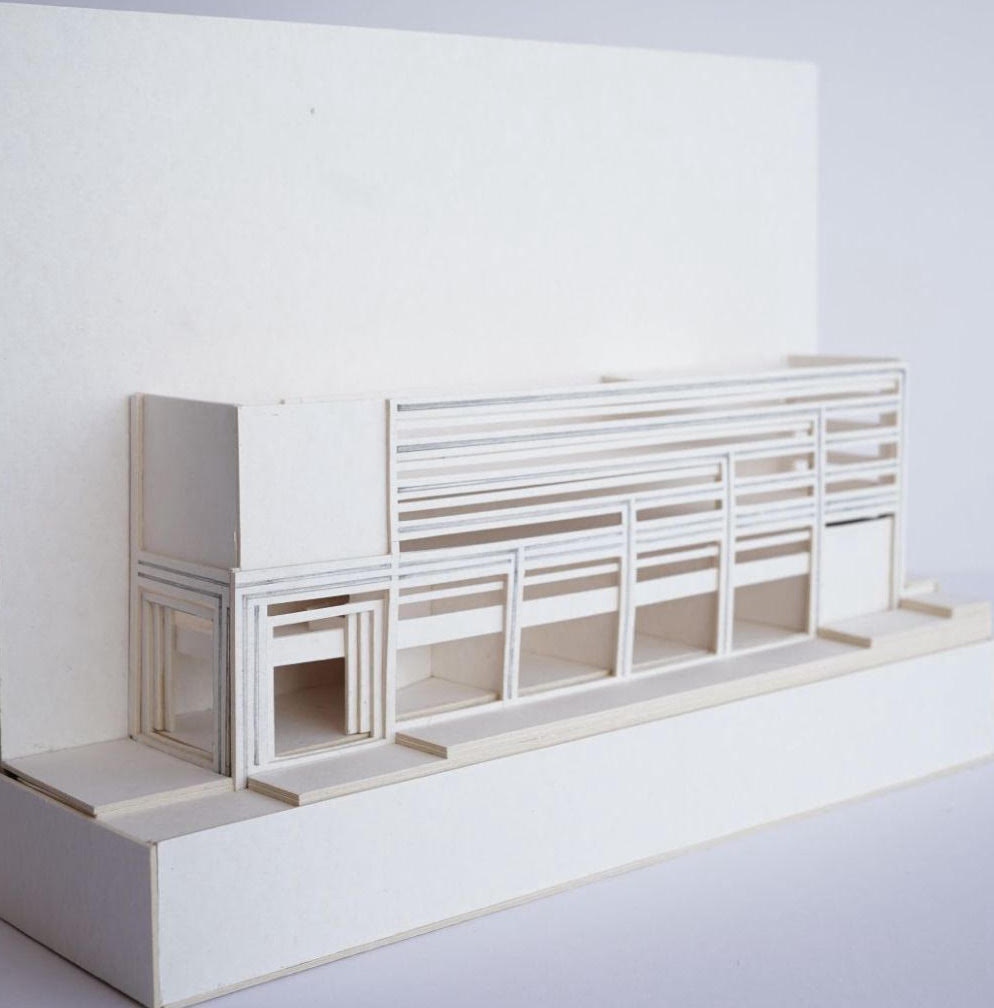
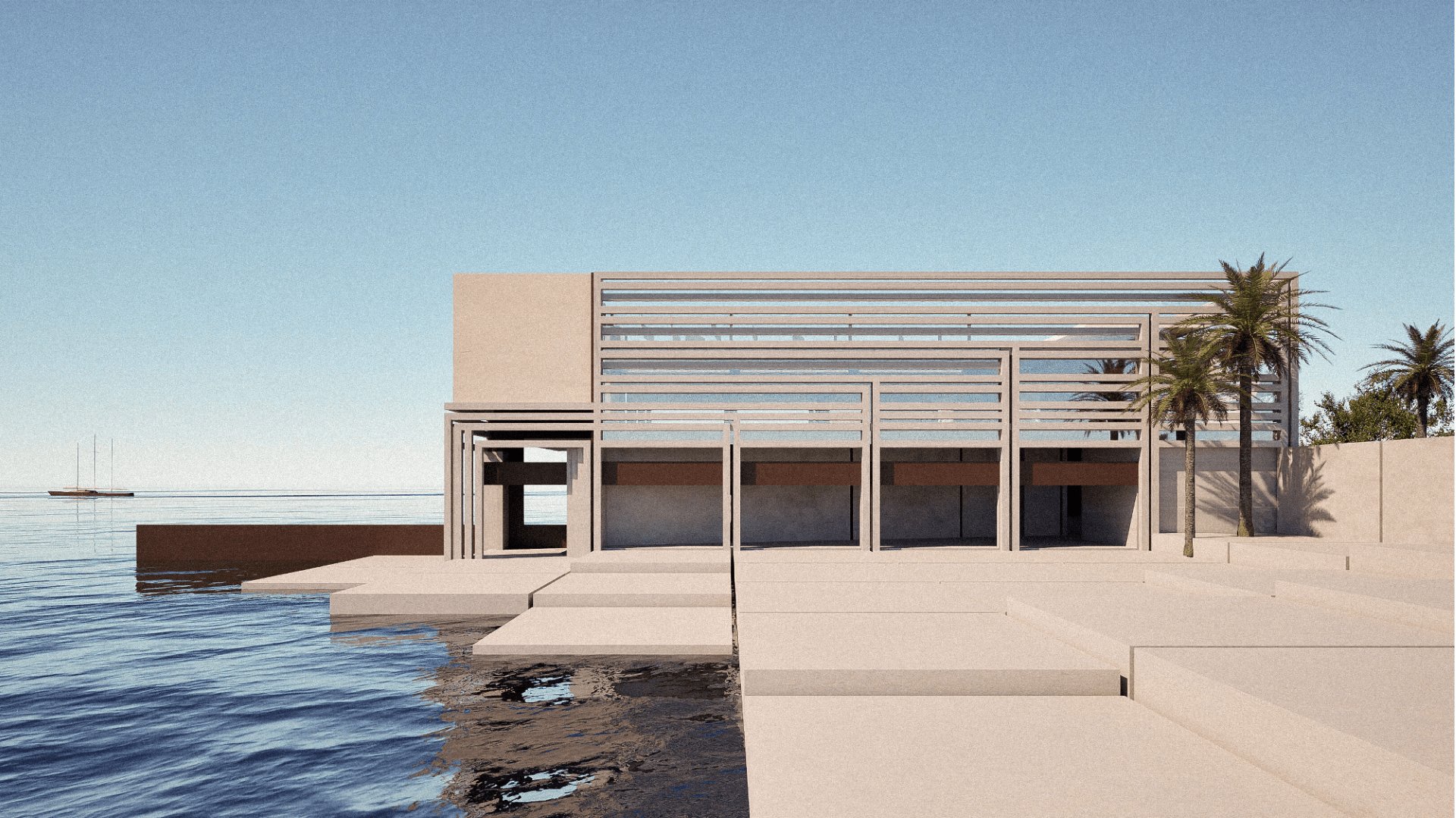
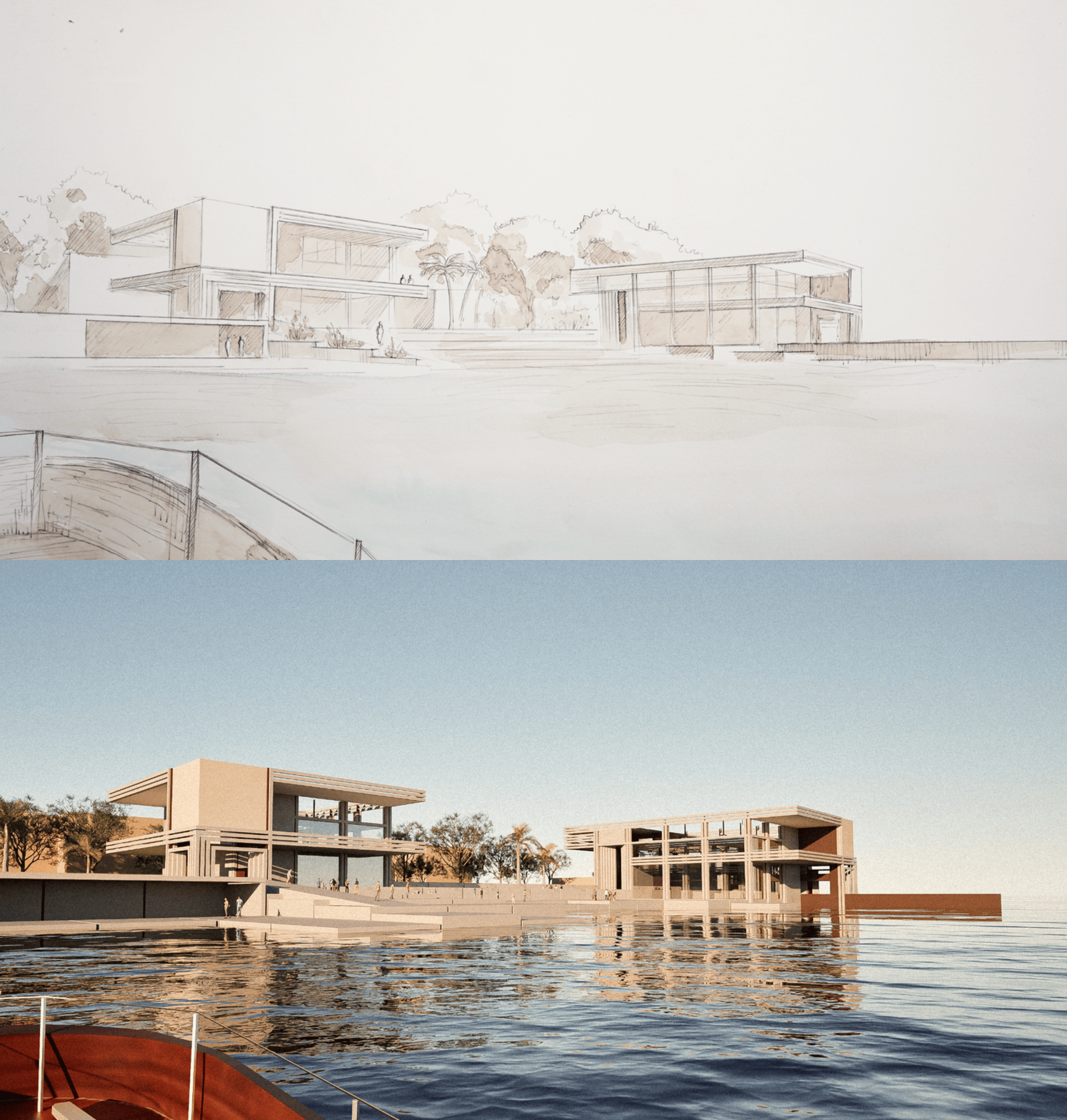
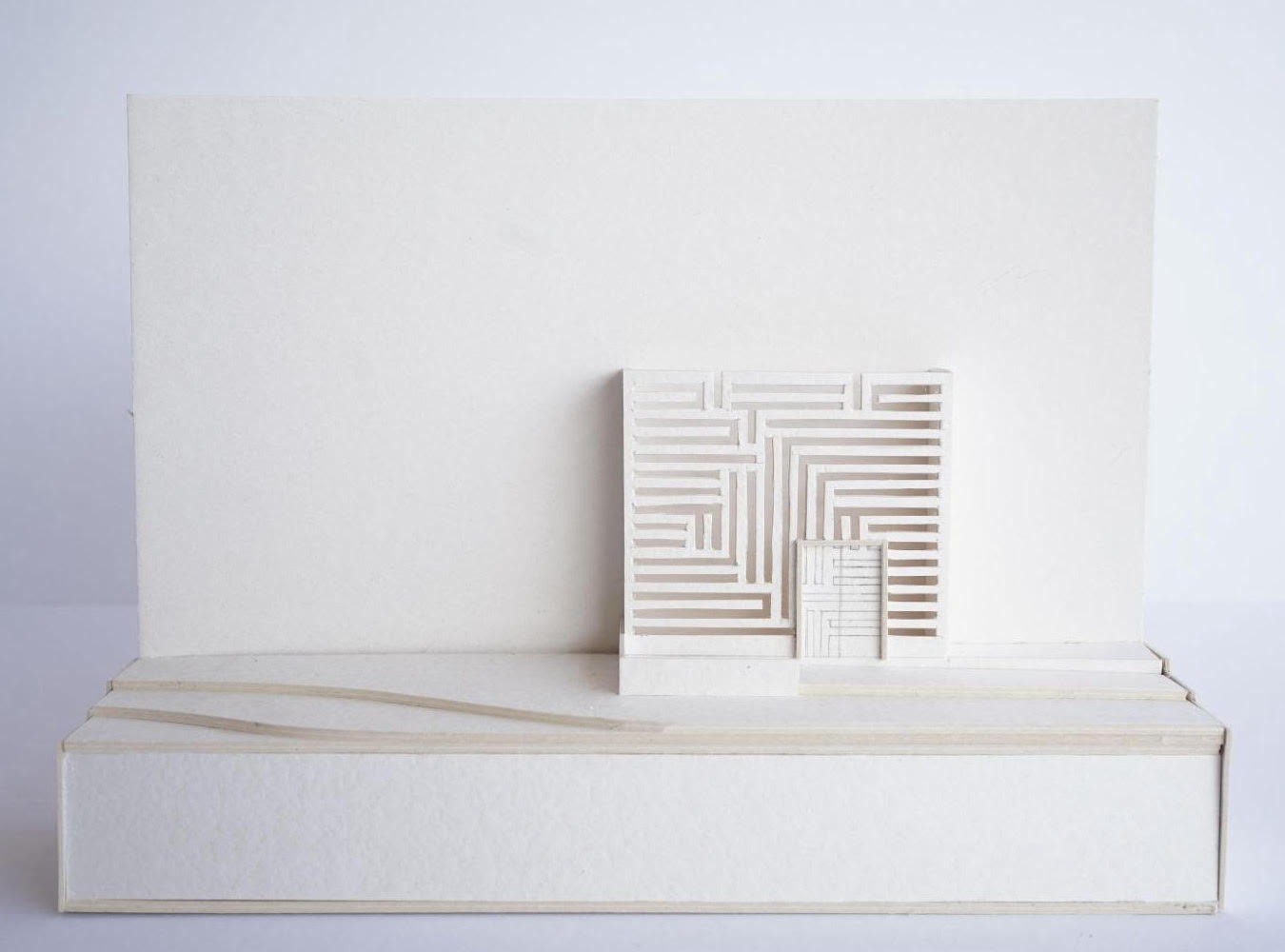
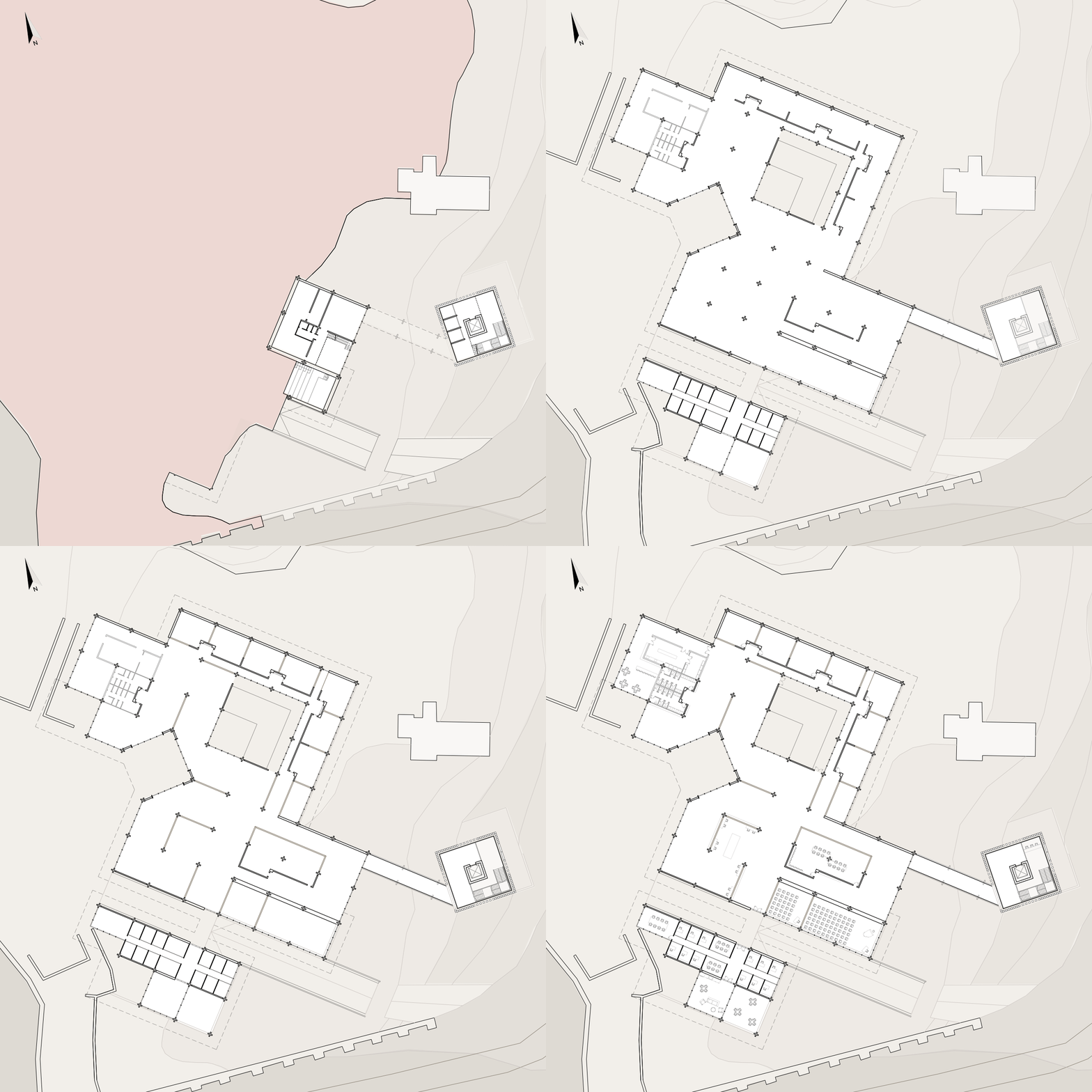
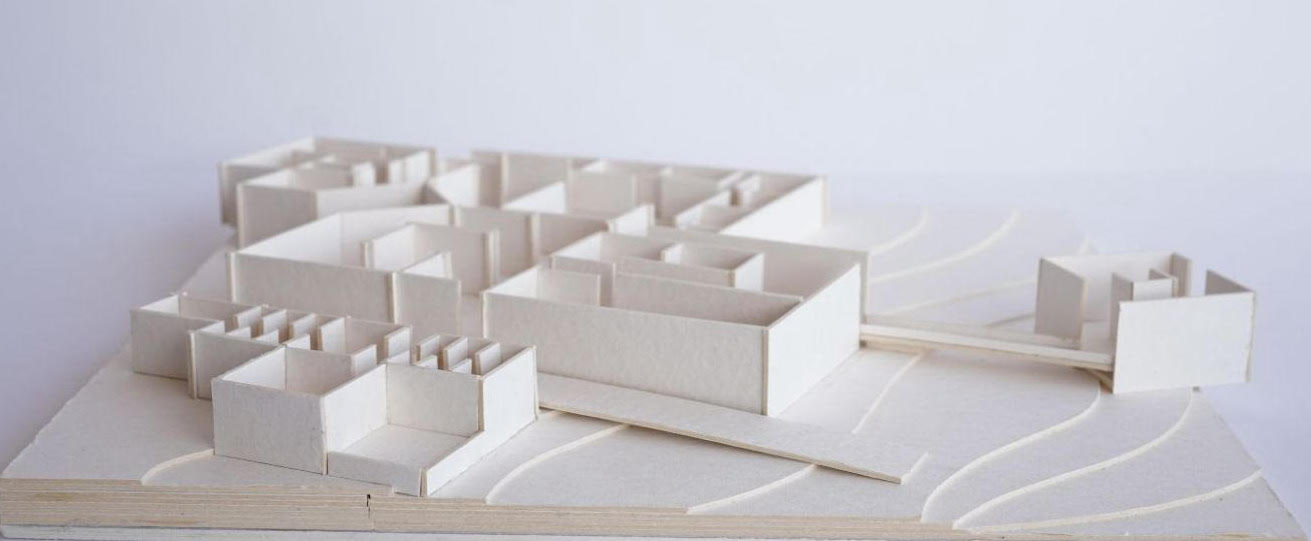
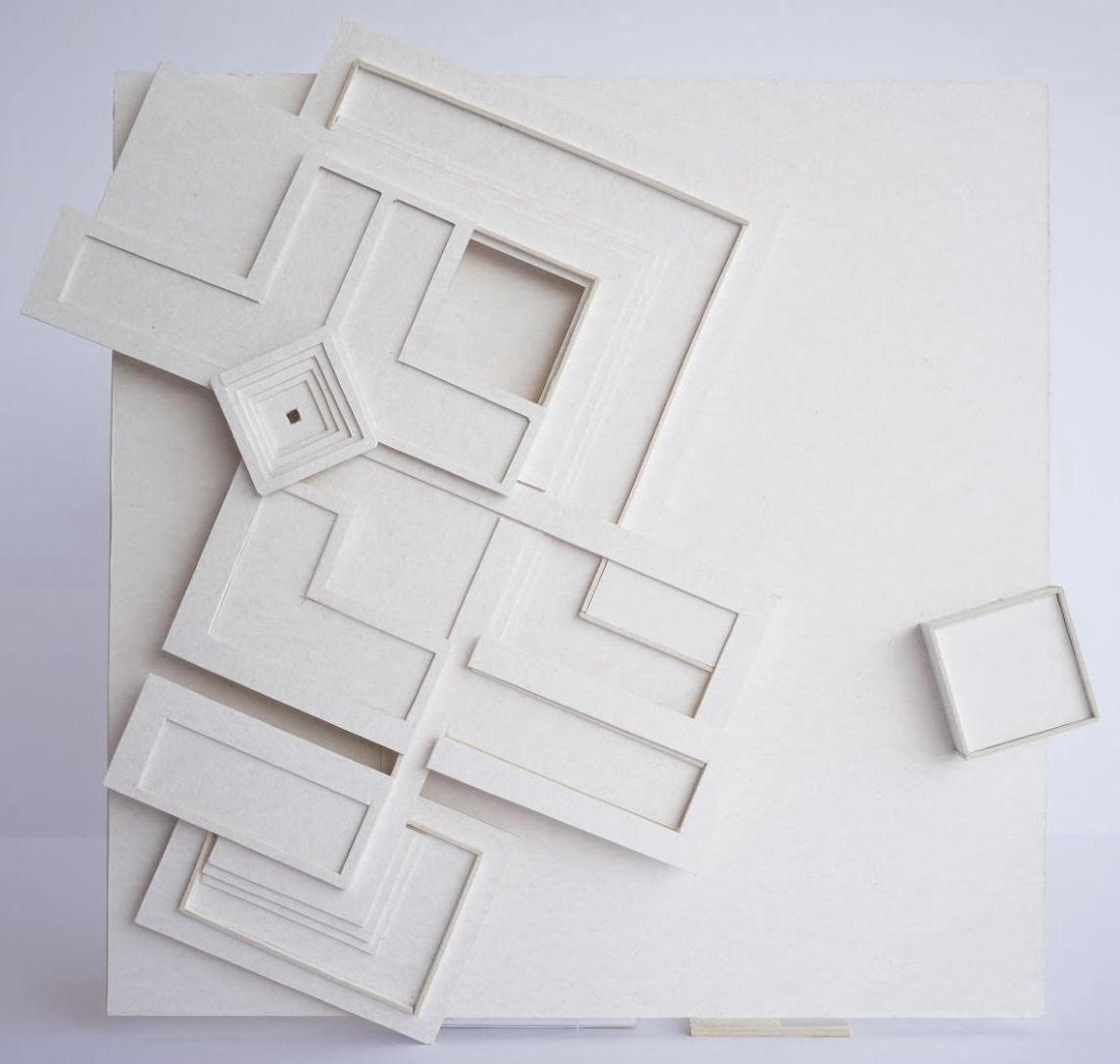
הפרויקט מבקש לייצר חיבור מחודש בין חלקי העיר באמצעות שני מבני ציבור. מבנים אלה משמשים הן כגשר פיזי ובין עכו העתיקה והחדשה, והן כמנגנון שימורי המנכיח מחדש את השכבות ההיסטוריות שנעלמו. המבנים ממוקמים לאורך תוואי החומה הצלבנית שאיננה קיימת עוד, ומסמנים את מיקומי מגדלי השמירה. בנוסף, הפרויקט משחזר את חתך הביצורים העות’מאניים שנפגע לאורך השנים.
מרכיב נוסף בהתערבות הוא פינוי החניון מהחפיר העתיק והשבתו למרחב הציבורי הפתוח. כך נוצר חיבור חדש בין הטיילת, העיר והים — חיבור שמעצים את המורשת ההיסטורית ומשלב אותה בתוך המרחב העכשווי.
הפרויקט אינו מבקש לשחזר את העבר באופן מילולי, אלא ליצור תשתית מרחבית וחווייתית שמאפשרת לתושבים ולמבקרים להרגיש את ההיסטוריה — ולקרוא אותה מחדש בתוך ההווה.
The project explores how historical layers that no longer exist in the physical space can be preserved and continue to live on as part of the cultural and urban memory of the place.
The selected site is the buffer zone between Old Acre and New Acre, and between them and the sea. This area sits atop historical fortifications from the Crusader and Ottoman periods — a defensive system that allowed Acre to maintain its character as a historic Ottoman city and remain largely untouched by modern construction, earning it UNESCO World Heritage status.
The project seeks to create a renewed connection between parts of the city through two public buildings. These buildings function both as a physical bridge between Old and New Acre and as a preservation mechanism that reintroduces the historical layers that have disappeared. They are located along the route of the former Crusader wall, marking the positions of the watchtowers, and the project also reconstructs sections of the damaged Ottoman fortifications.
Another element of the intervention is the removal of the parking lot from the historic moat and its restoration as an open public space. This creates a new connection between the promenade, the city, and the sea — enhancing the historical heritage while integrating it into the contemporary urban fabric.
The project does not aim to literally recreate the past, but rather to establish a spatial and experiential framework that allows residents and visitors to feel the history and reinterpret it within the present.
يتناول المشروع كيفية الحفاظ على الطبقات التاريخية التي لم تعد موجودة في المكان المادي، لكنها تستمر في الحياة كجزء من الذاكرة الثقافية والحضرية للمكان.
الموقع المختار هو المنطقة الفاصلة بين عكا القديمة وعكا الحديثة، وبينهما وبين البحر. تقع المنطقة فوق التحصينات التاريخية من الحقبتين الصليبية والعثمانية — نظام دفاعي مكّن عكا من الحفاظ على طابعها كمدينة عثمانية تاريخية والبقاء شبه خالية من البناء الحديث، مما منحها لقب مدينة تراث عالمي من قبل اليونسكو.
يسعى المشروع إلى خلق اتصال متجدد بين أجزاء المدينة من خلال مبنيين عامين. يعمل هذان المبنيان كجسر مادي بين عكا القديمة والجديدة، وكآلية للحفظ تعيد إحياء الطبقات التاريخية التي اختفت. يقعان على طول مسار الجدار الصليبي السابق، مما يحدد مواقع أبراج المراقبة، كما يعيد المشروع إنشاء مقاطع من التحصينات العثمانية التي تضررت على مر السنين.
عنصر آخر في التدخل هو إزالة موقف السيارات من الخندق التاريخي وإعادته كمساحة عامة مفتوحة. يخلق ذلك ارتباطًا جديدًا بين المتنزه والمدينة والبحر — مما يعزز التراث التاريخي ويدمجه في النسيج الحضري المعاصر.
لا يهدف المشروع إلى إعادة الماضي حرفيًا، بل إلى إنشاء إطار مكاني وتجريبي يتيح للسكان والزوار أن يشعروا بالتاريخ ويعيدوا قراءته ضمن الحاضر