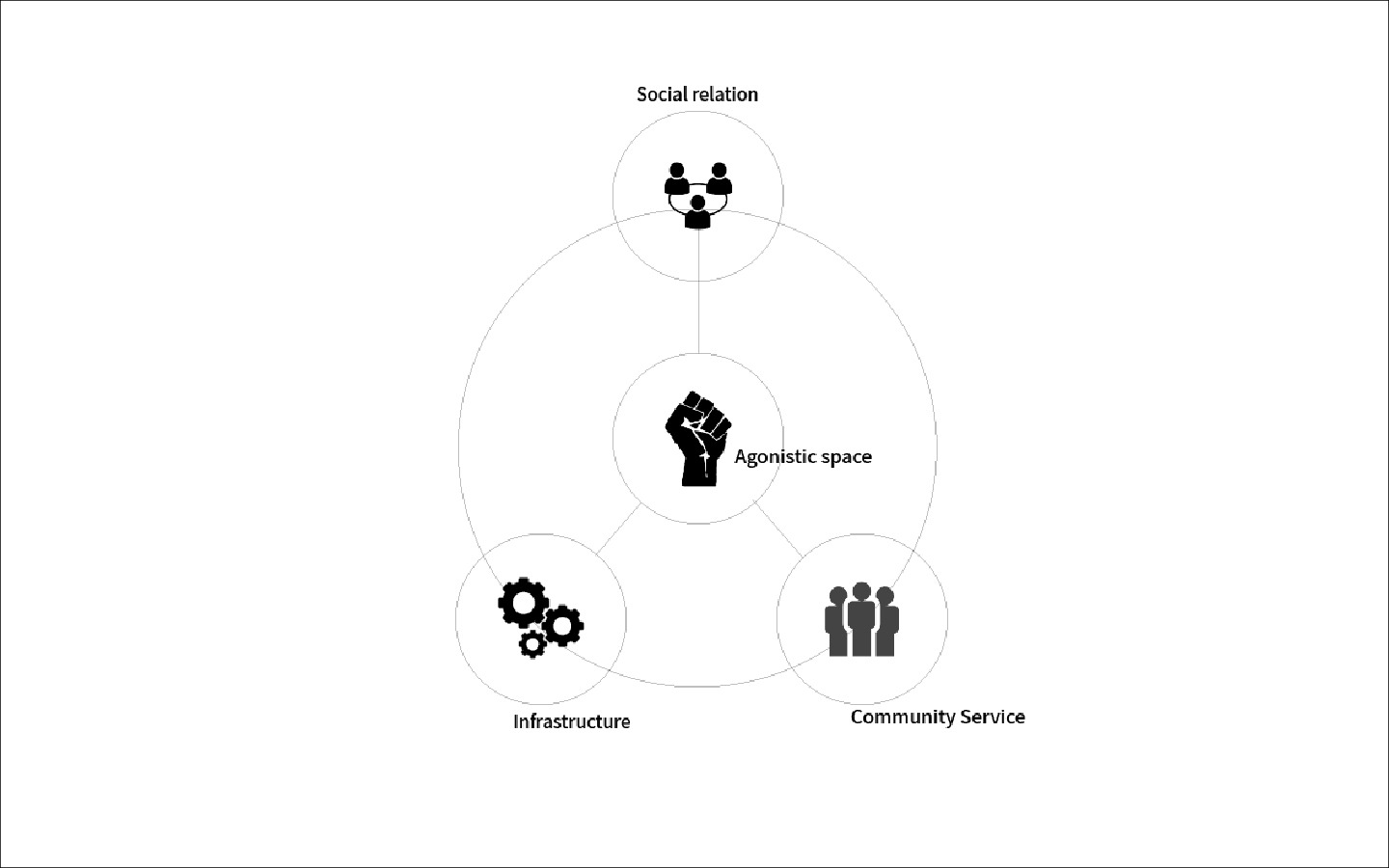
הפרויקט בוחן את פיתוחו של מרחב ציבורי המתהווה מתוך הכפרים הבדואיים הבלתי־מוכרים בנגב, בהתבסס על תאוריית הפעולה האגוניסטית והארגון העצמי של לקלאו ומוף (Laclau & Mouffe). גישה זו מניחה כי מאבק פוליטי מול הדרה אינו מתחיל מן המדינה, אלא מיכולתה של הקהילה לייצר מרחבים ציבוריים אלטרנטיביים המעצבּים מחדש את יחסיה למקום ולדינמיקות הכוח.
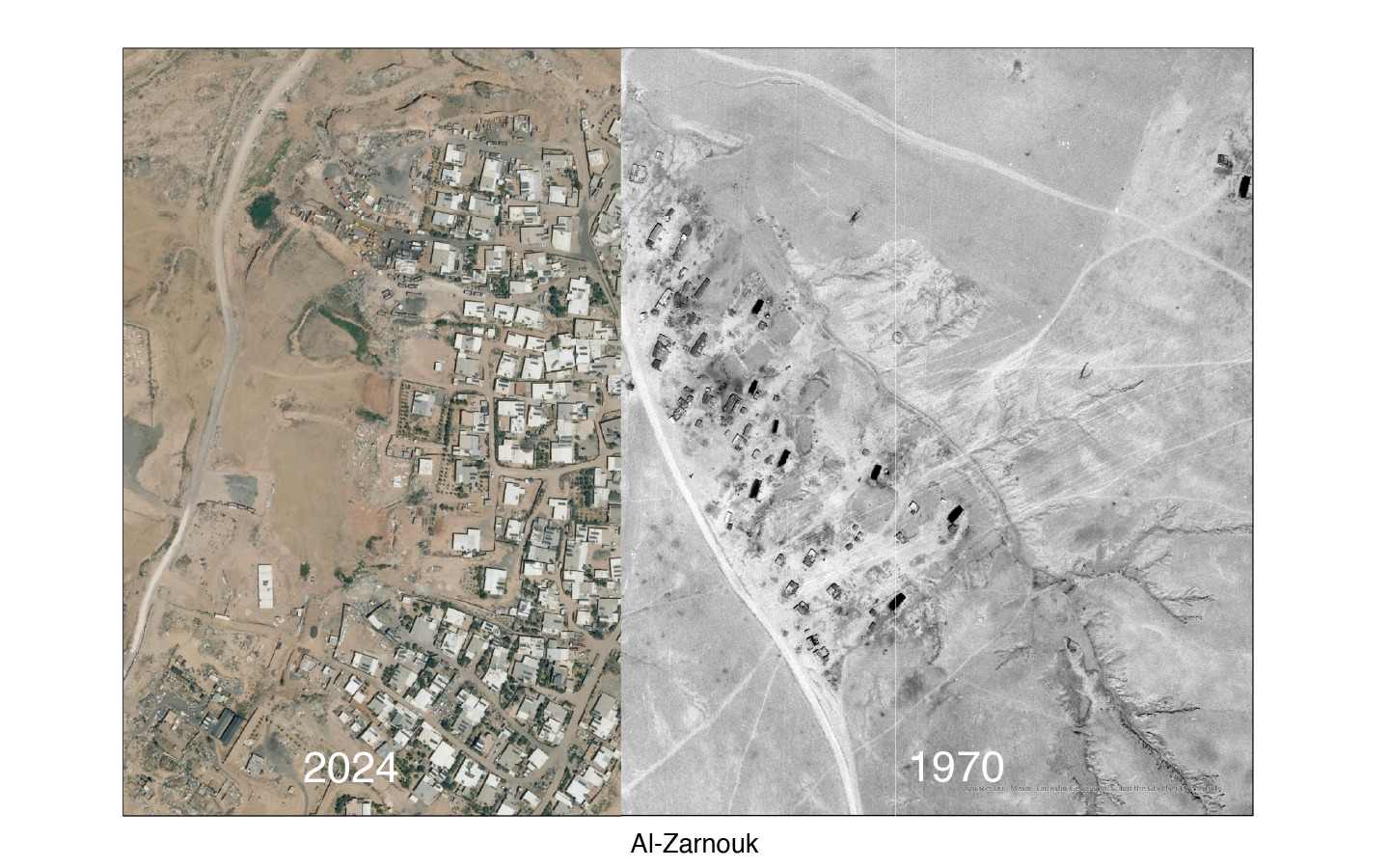
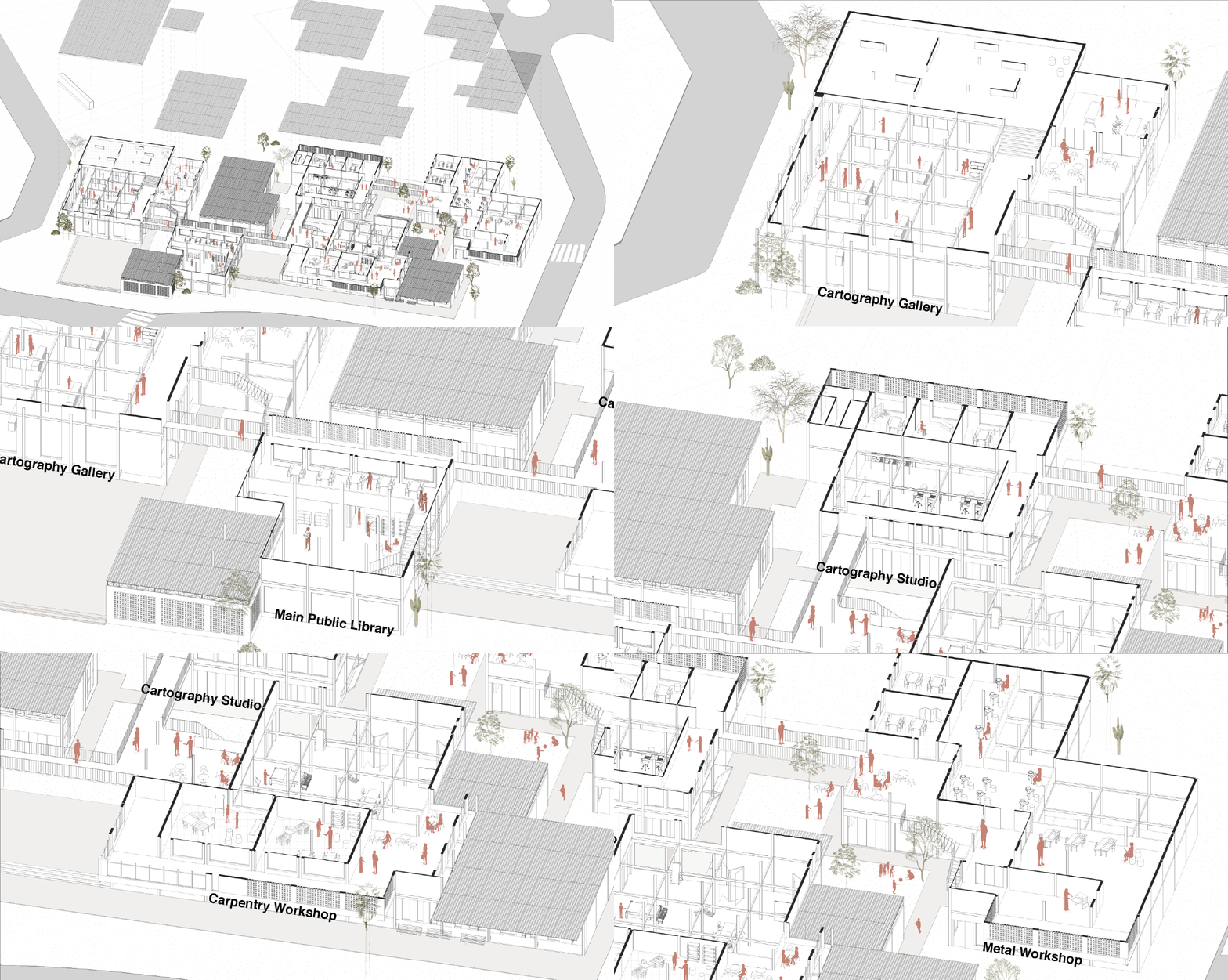
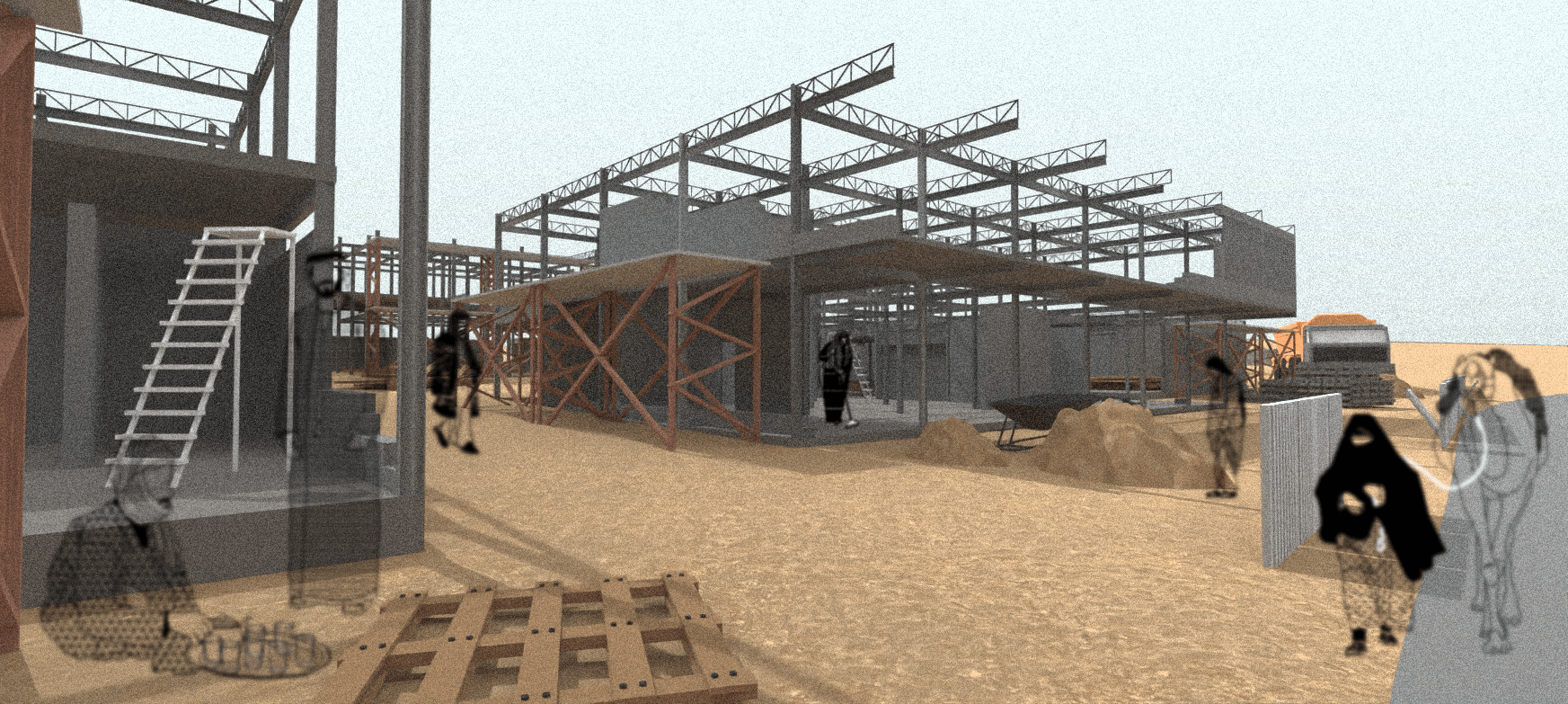
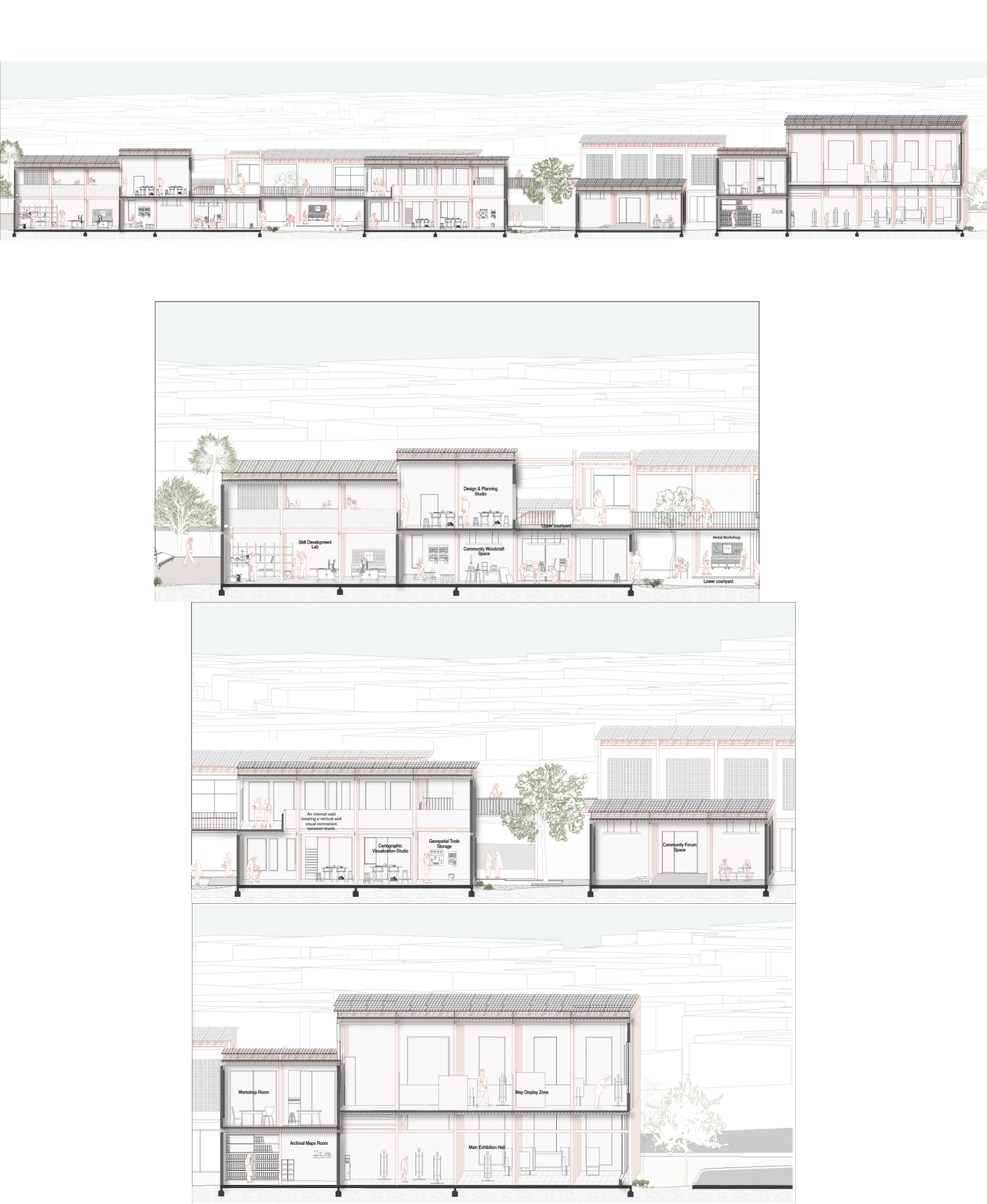
הפרויקט מציע מבנה דו־שכבתי: רשת של דרכים מדומיינות מחדש המחברות בין הכפרים לנקודות קטנות שמארחות תכניות הפועלות כתשתית אזרחית חלופית להתכנסות, לתיעוד ולפרקטיקה פוליטית יומיומית; ובמרכז רשת זו—התכנית הליבתית הממוקמת בכפר אל־זרנוק, בית ספר קהילתי אלטרנטיבי המספק כלים לארגון עצמי, לייצור ידע מקומי ולפיתוח יכולות של משא ומתן ואקטיביזם בונה.
יחד, הרשת ובית הספר מהווים ראשיתו של תודעָה מרחבית־עירונית המאתגרת היגיונות תכנון מיושנים ופותחת אפשרויות להתהוות הדרגתית של זהות קולקטיבית המונעת מתוך הקהילה.
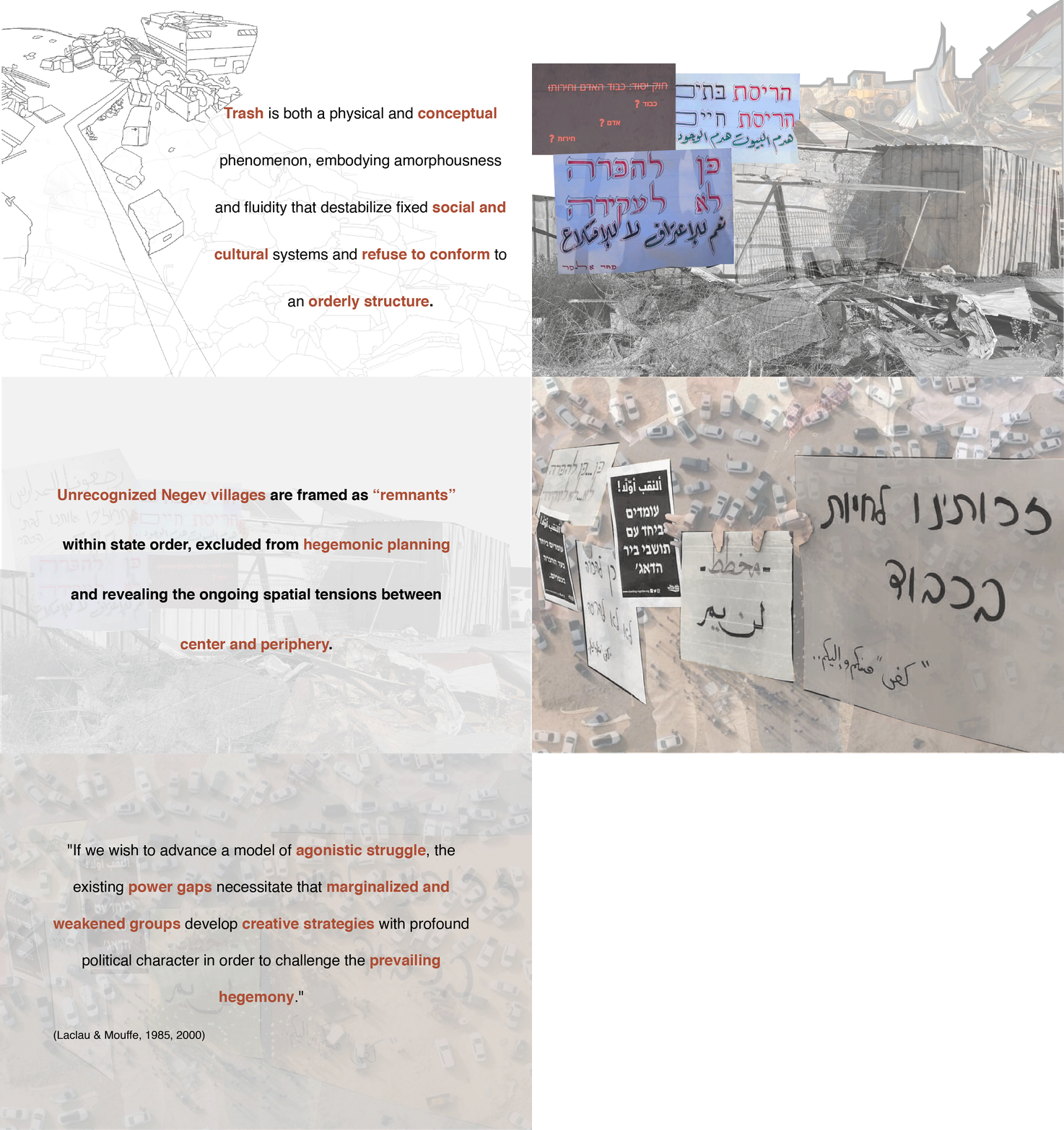
The project examines the development of a public space that emerges from within the unrecognized Bedouin villages of the Negev, drawing on Laclau and Mouffe’s theory of agonistic action and self-organization. This approach assumes that political struggle against marginalization does not begin with the state, but with the community’s capacity to create alternative public spaces that reshape its relationship to place and power dynamics.
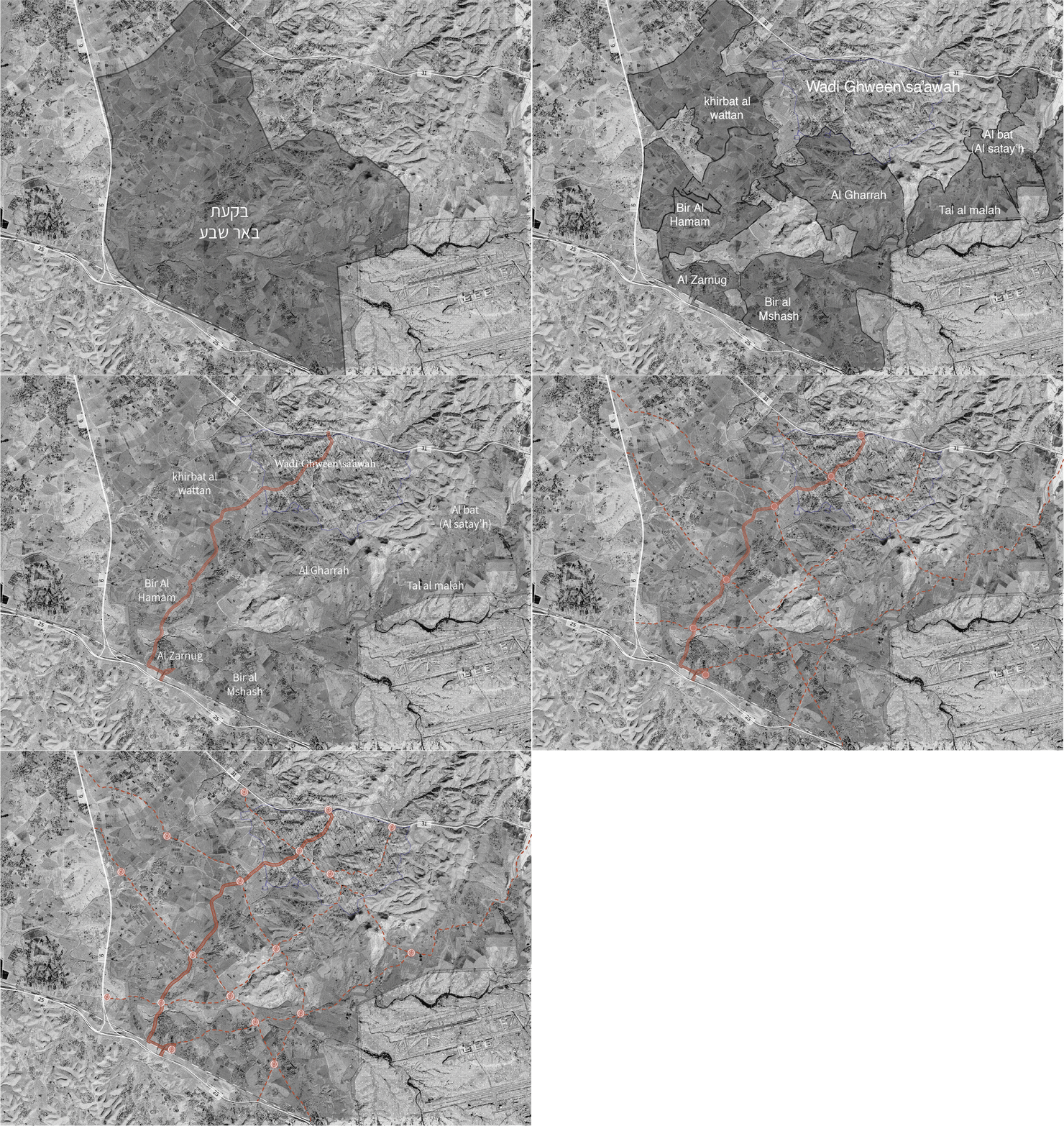
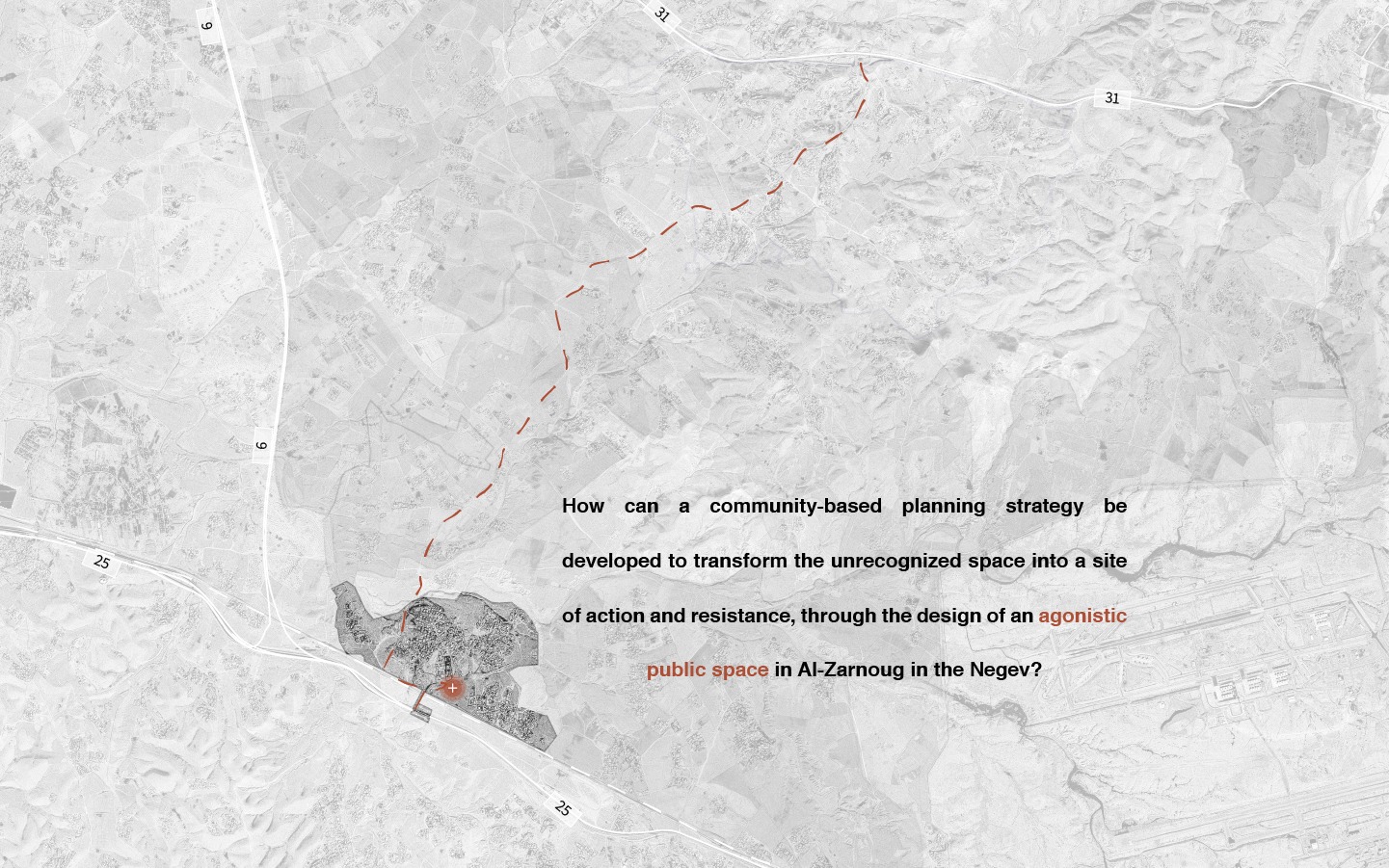
The project proposes a two-layered structure: a network of reimagined roads that connects the villages to small nodes hosting programs functioning as an alternative civic infrastructure for gathering, documentation, and everyday political practice; and, at the center of this network, the core program located in the village of al-Zarnuq, an alternative community school providing tools for self-organization, local knowledge production, and the development of negotiation skills and constructive activism.
Together, the network and the school constitute the beginnings of a spatial and urban consciousness that challenges outdated planning logics and opens possibilities for a gradual, community-driven formation of collective identity.
يتناول هذا المشروع تطوير فضاء عام ينشأ من داخل القرى البدوية مسلوبة الاعتراف في النقب، مستندًا إلى نظرية الفعل الأغونيستي والتنظيم الذاتي لدى لاكلو وموف (Laclau & Mouffe). تنطلق المقاربة من فرضية أنّ النضال السياسي في سياقات التهميش لا يبدأ من الدولة، بل من قدرة المجتمع على ابتكار فضاءات عامة بديلة تعيد تشكيل علاقته بالمكان وبديناميات السلطة.
يقترح المشروع بنية مزدوجة المستويات: شبكة من الطرق المُعاد تخيّلها تربط بين القرى عبر نقاط صغيرة تستضيف برامج تؤدي دور بنية تحتية مدنية بديلة للتجمع، والتوثيق، والممارسة السياسية اليومية؛ وفي مركز هذه الشبكة تقع البنية الأساسية في قرية الزرنوق، وهي مدرسة مجتمعية بديلة توفّر أدوات للتنظيم الذاتي، وإنتاج المعرفة المحلية، وتنمية مهارات التفاوض والممارسة النضالية البنّاءة.
تشكّل هذه البنية—بمستوييها الشبكي والمؤسسي—بداية تَشكّل وعي مكاني–حضري جديد يتحدى منطق التخطيط التقليدي، ويفتح المجال أمام تبلور تدريجي لهوية جماعية تقودها المجتمع نفسه.