הפרויקט צומח מתוך חוויית האלביתי בבית שאן: תחושת זרות המתעוררת דווקא בתוך מרחב אינטימי ומוכר, ומתוך המפגש שלי, כמי שנולדה בעמק בית שאן, עם מקום קרוב וביתי אך במידה רבה בלתי מוכר.
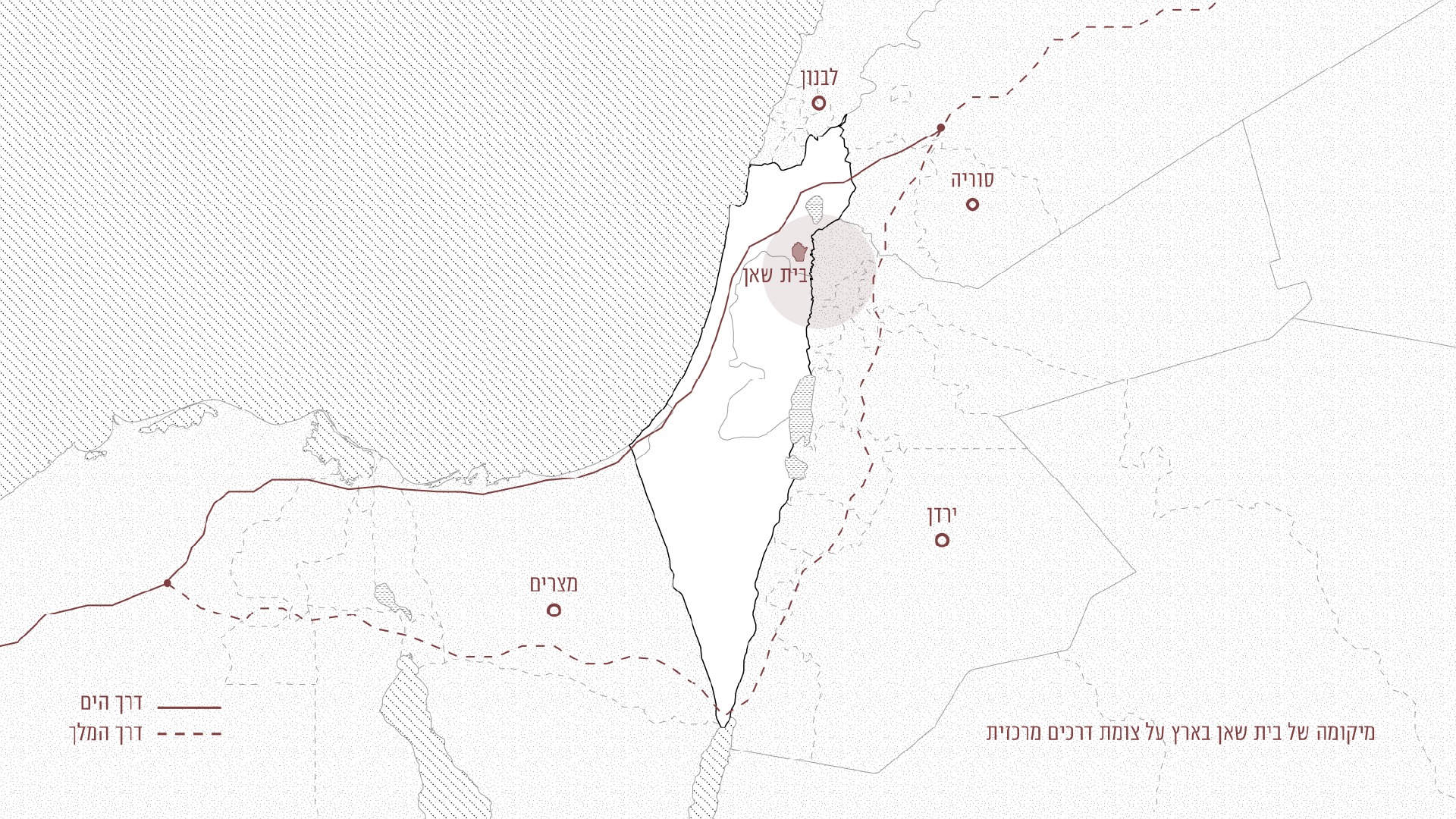
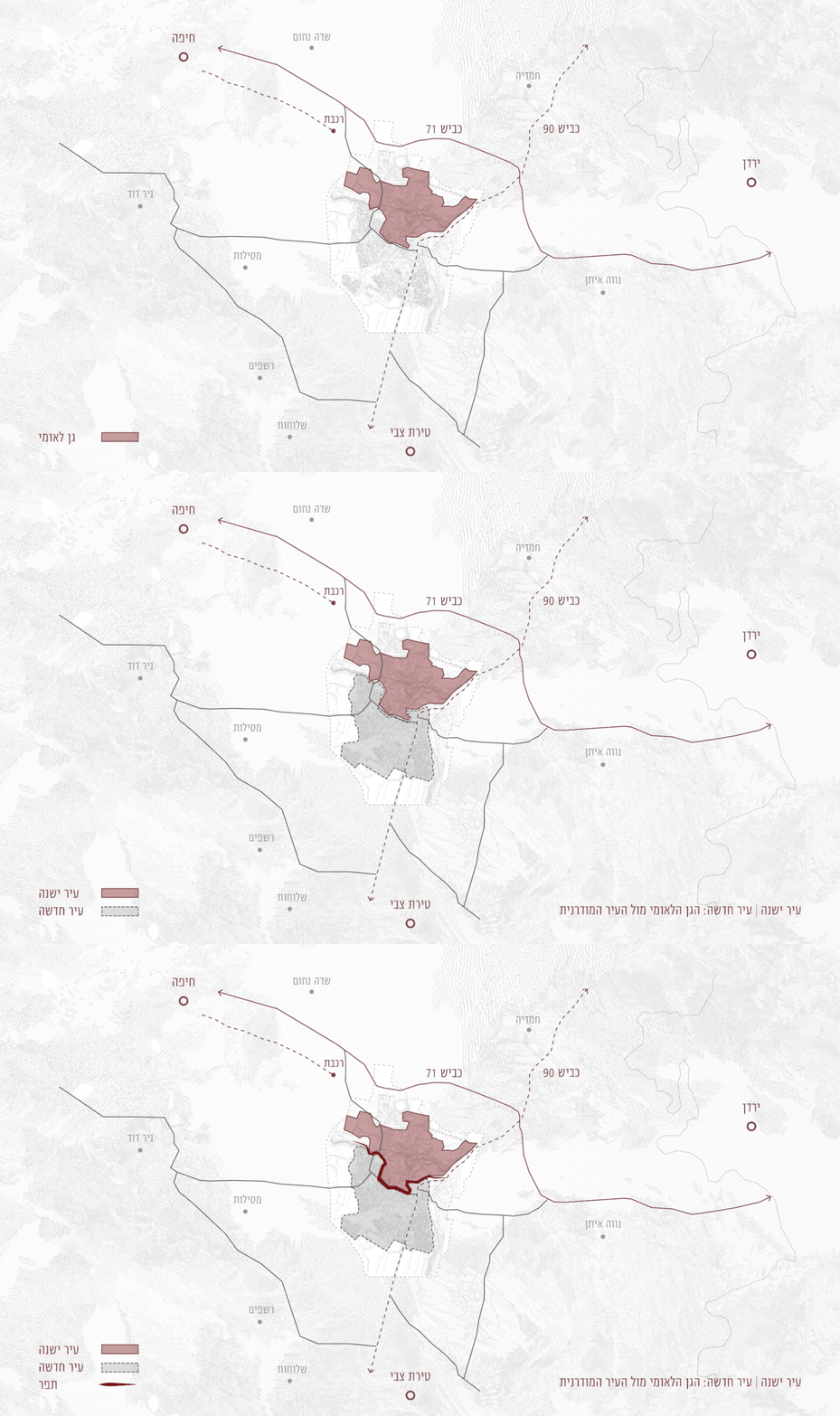
בלב הפרויקט עומד הנתק בין העיר המודרנית לעיר העתיקה, המתקיימת כיום כישות נפרדת, מגודרת ומנותקת מחיי היומיום של תושבי העיר.
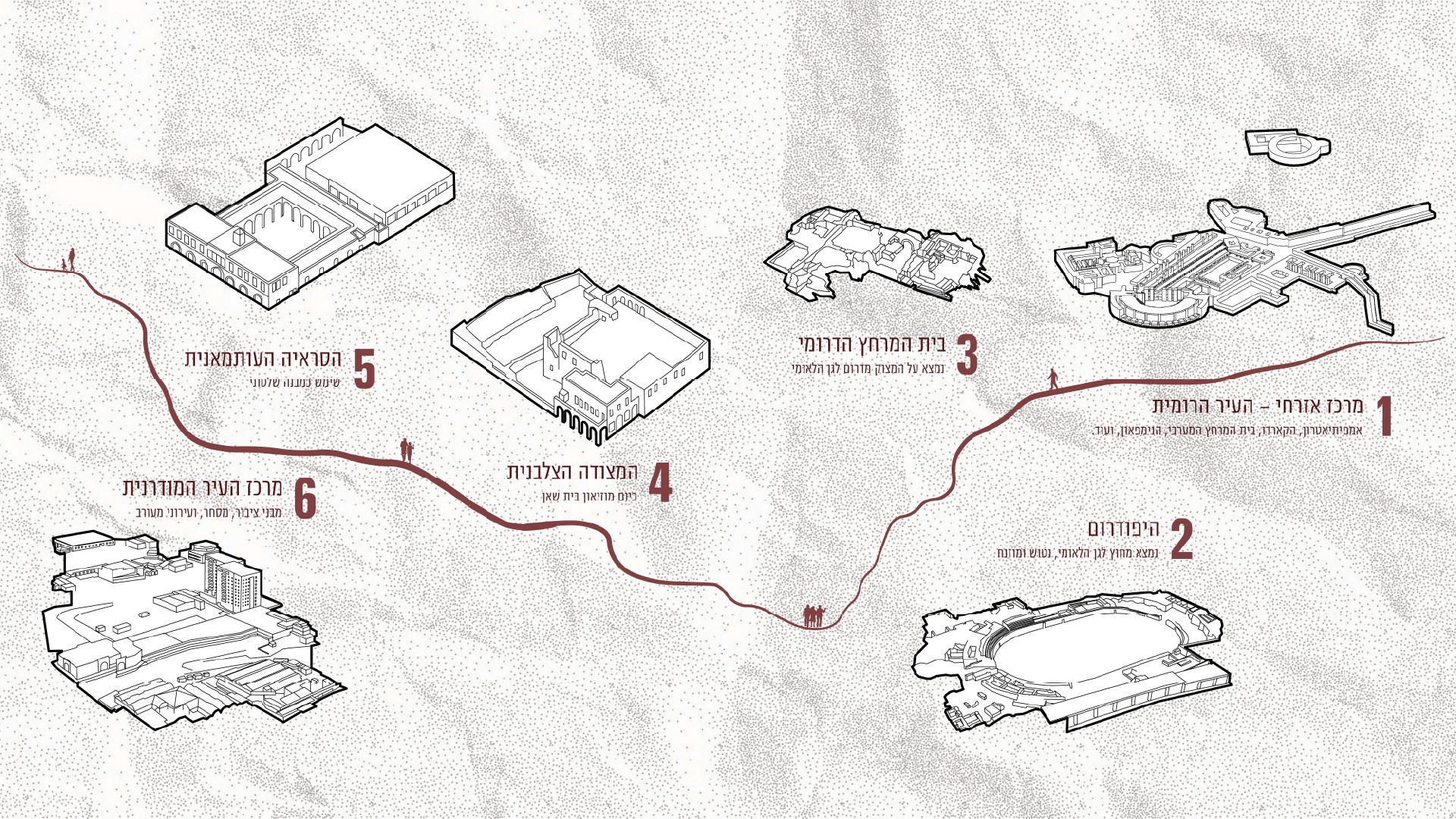
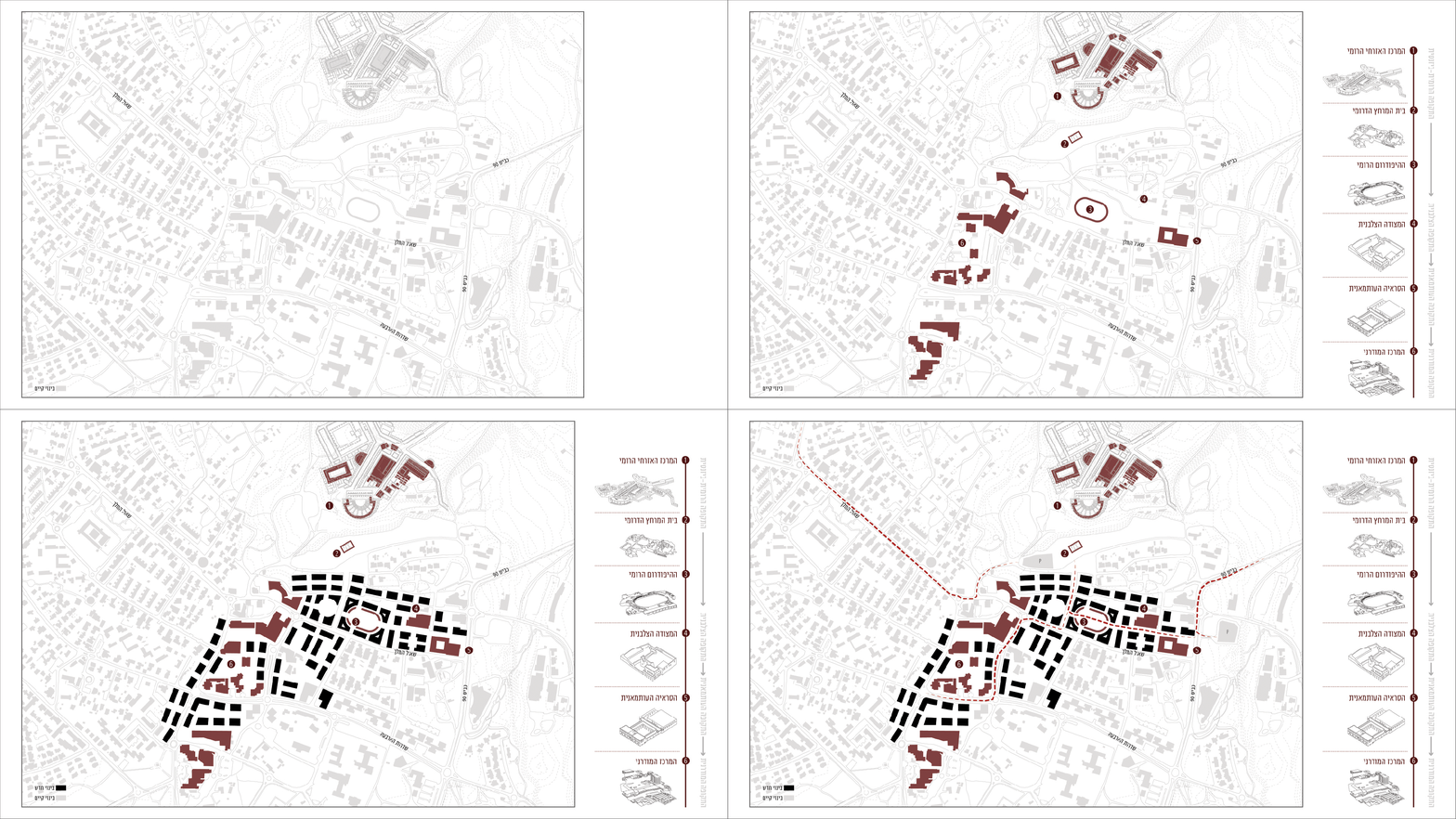
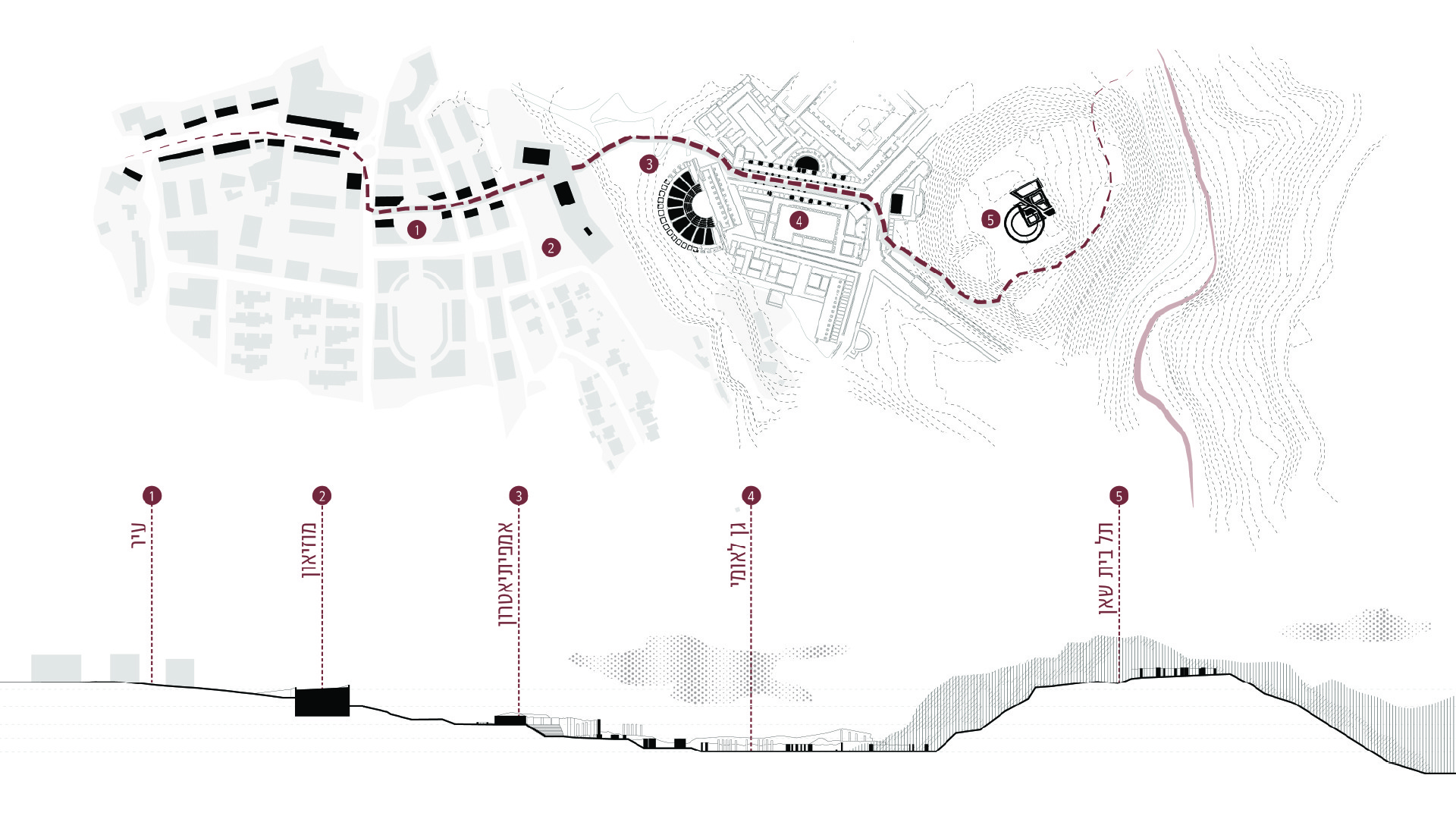
התכנון מבקש לקרוא את העיר בית שאן כפלימפססט עירוני: מרחב שבו שכבות של זמן מתקיימות זו לצד זו. באמצעות מערכת אורבנית חדשה הופכות העתיקות מאתר מגודר ומבודד לחלק פעיל מן המרחב הציבורי ומחיי היומיום. המהלך האורבני מבקש לחבר בין המוקדים ההיסטוריים לעיר המודרנית.
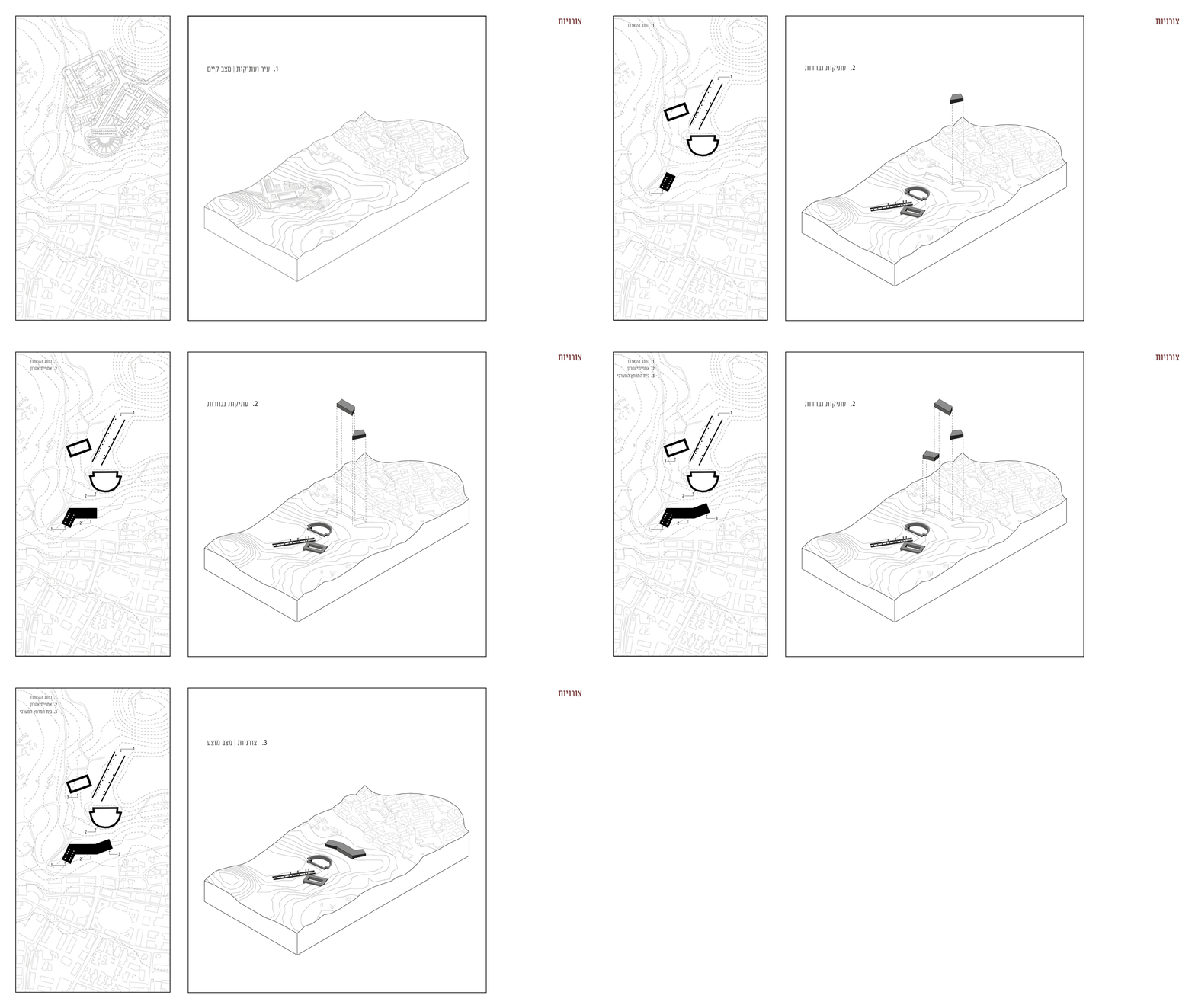
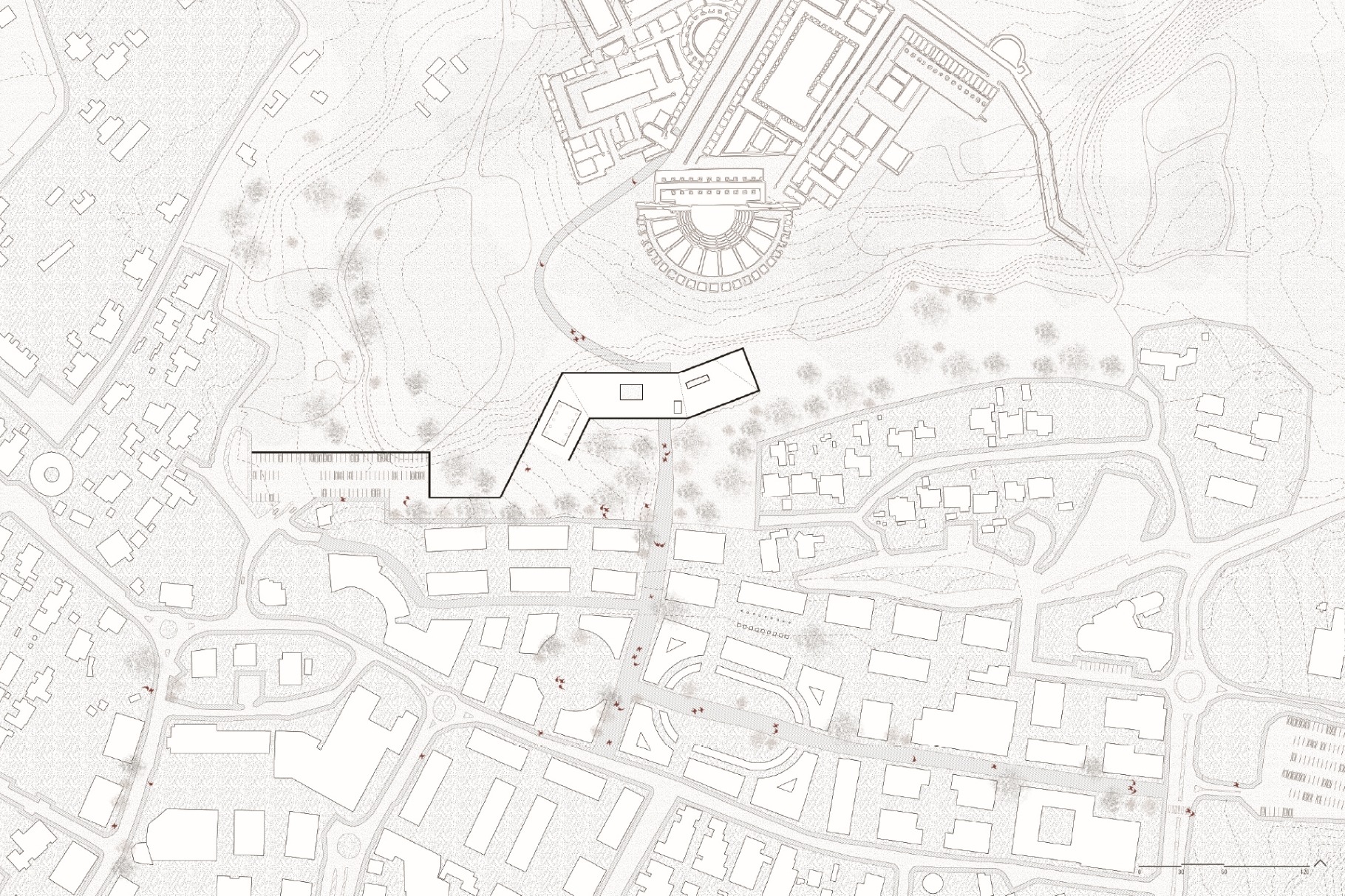
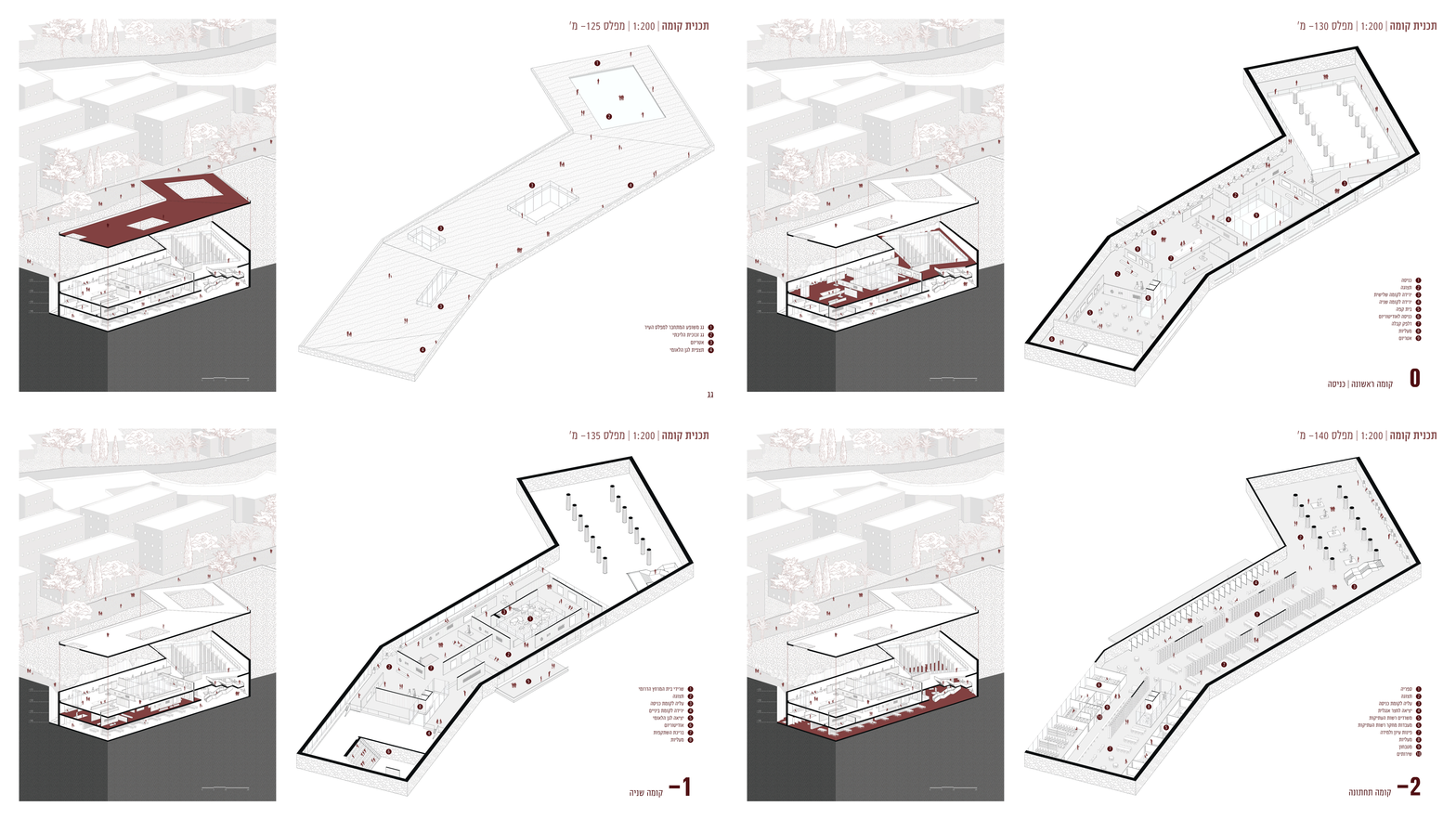
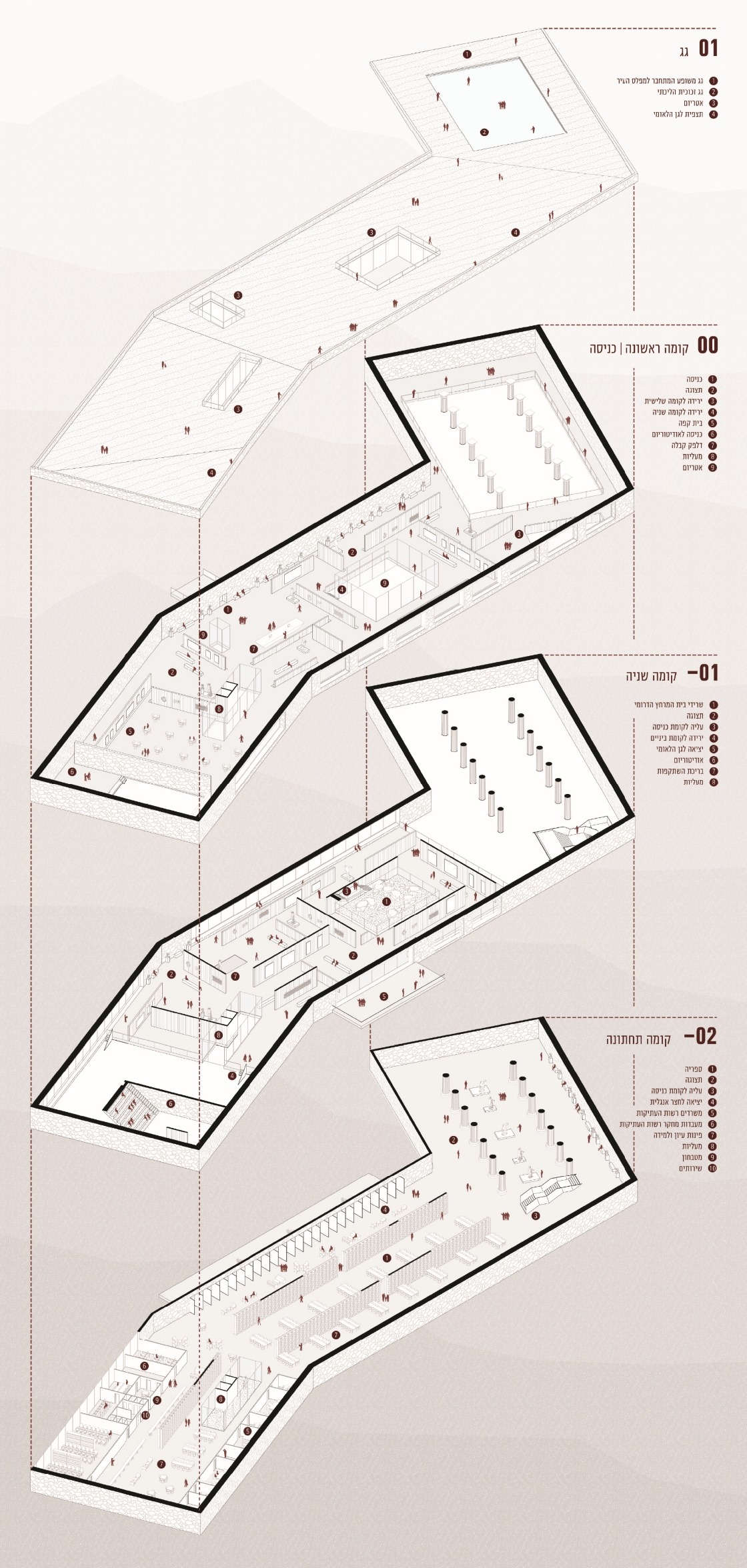
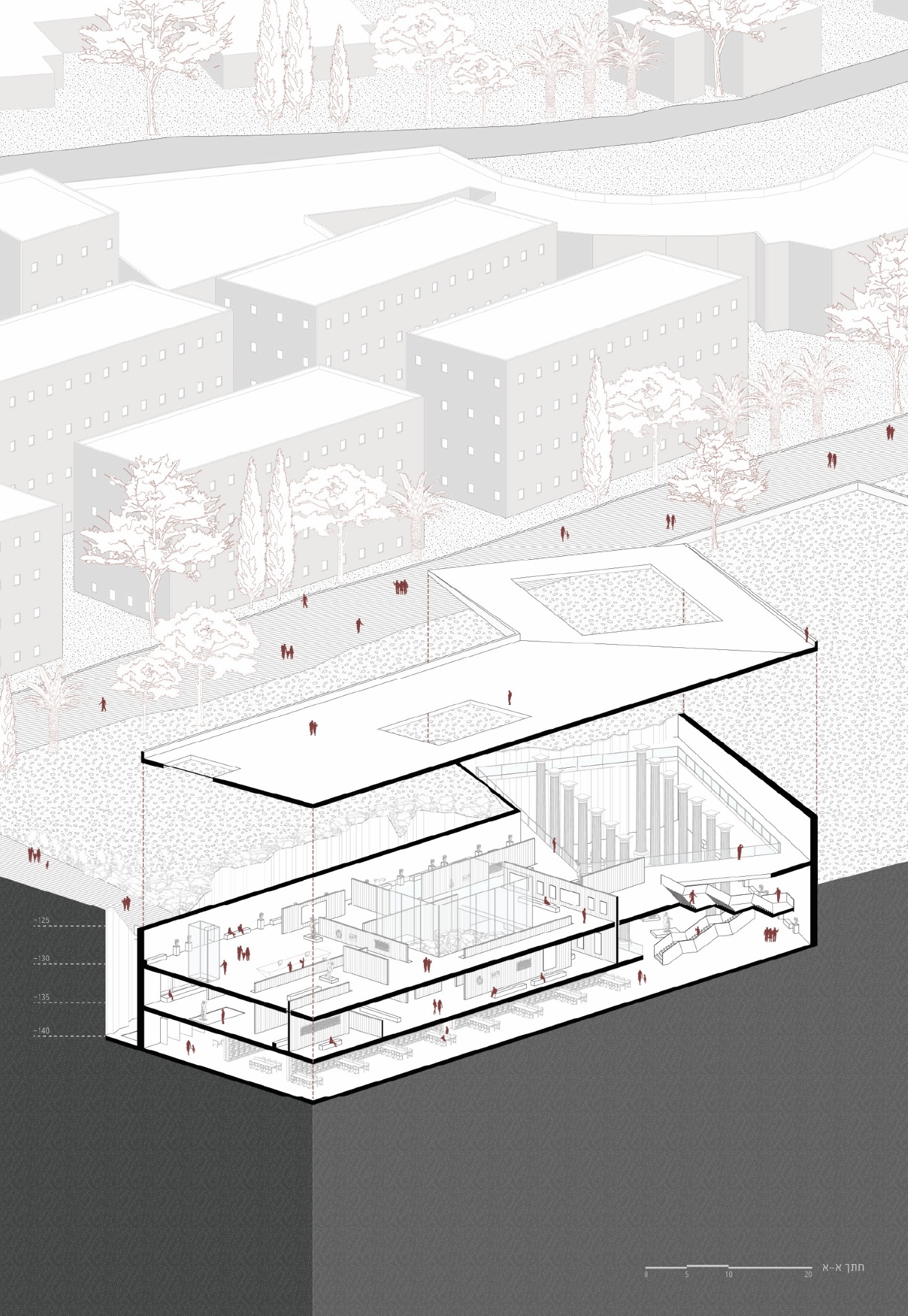
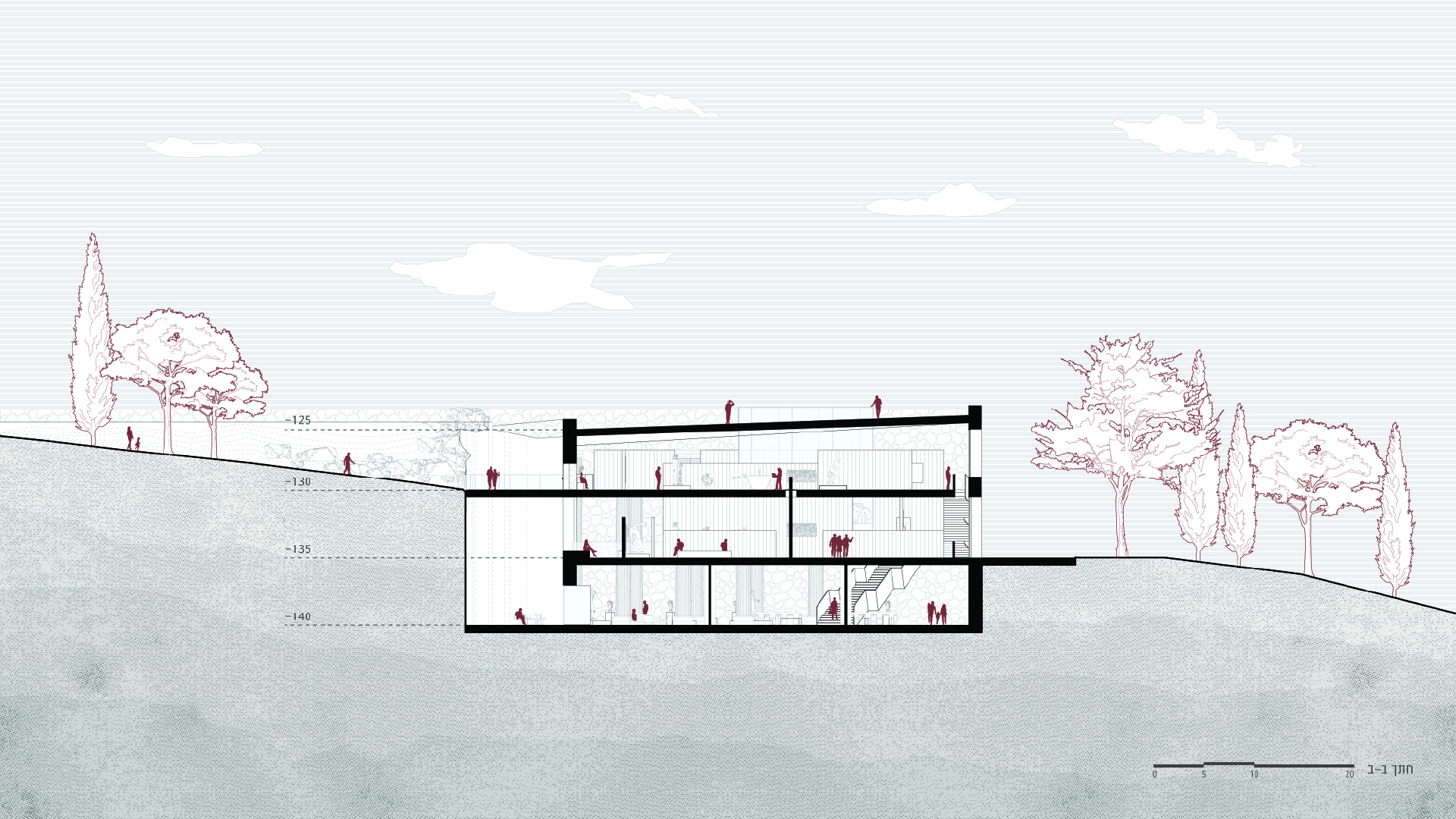
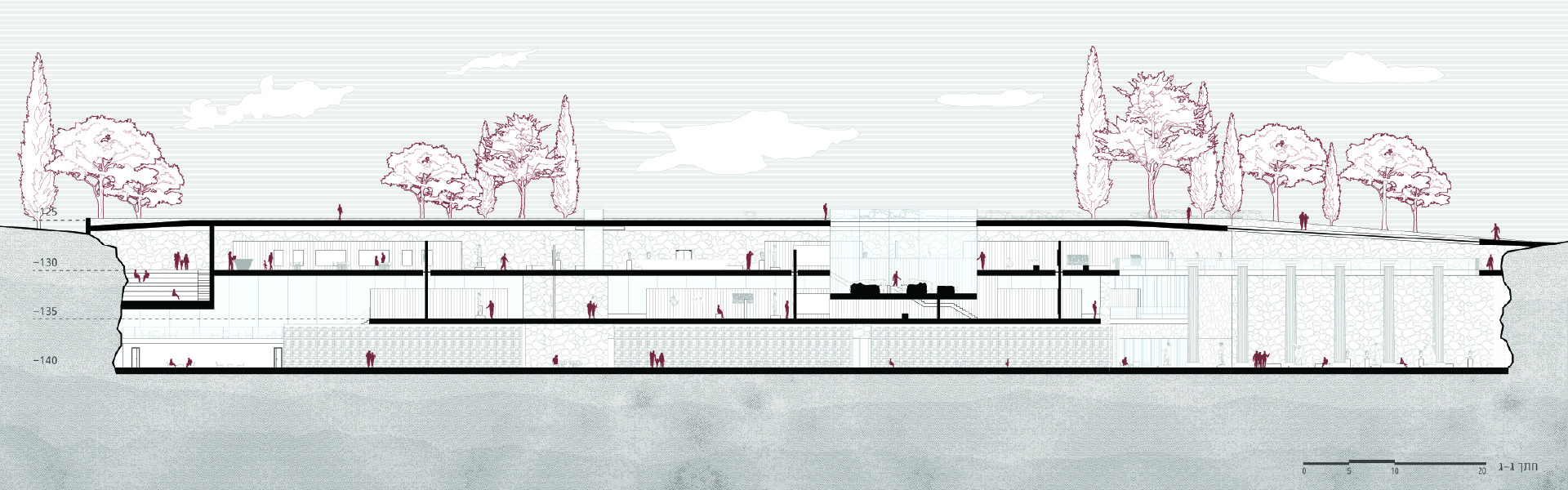
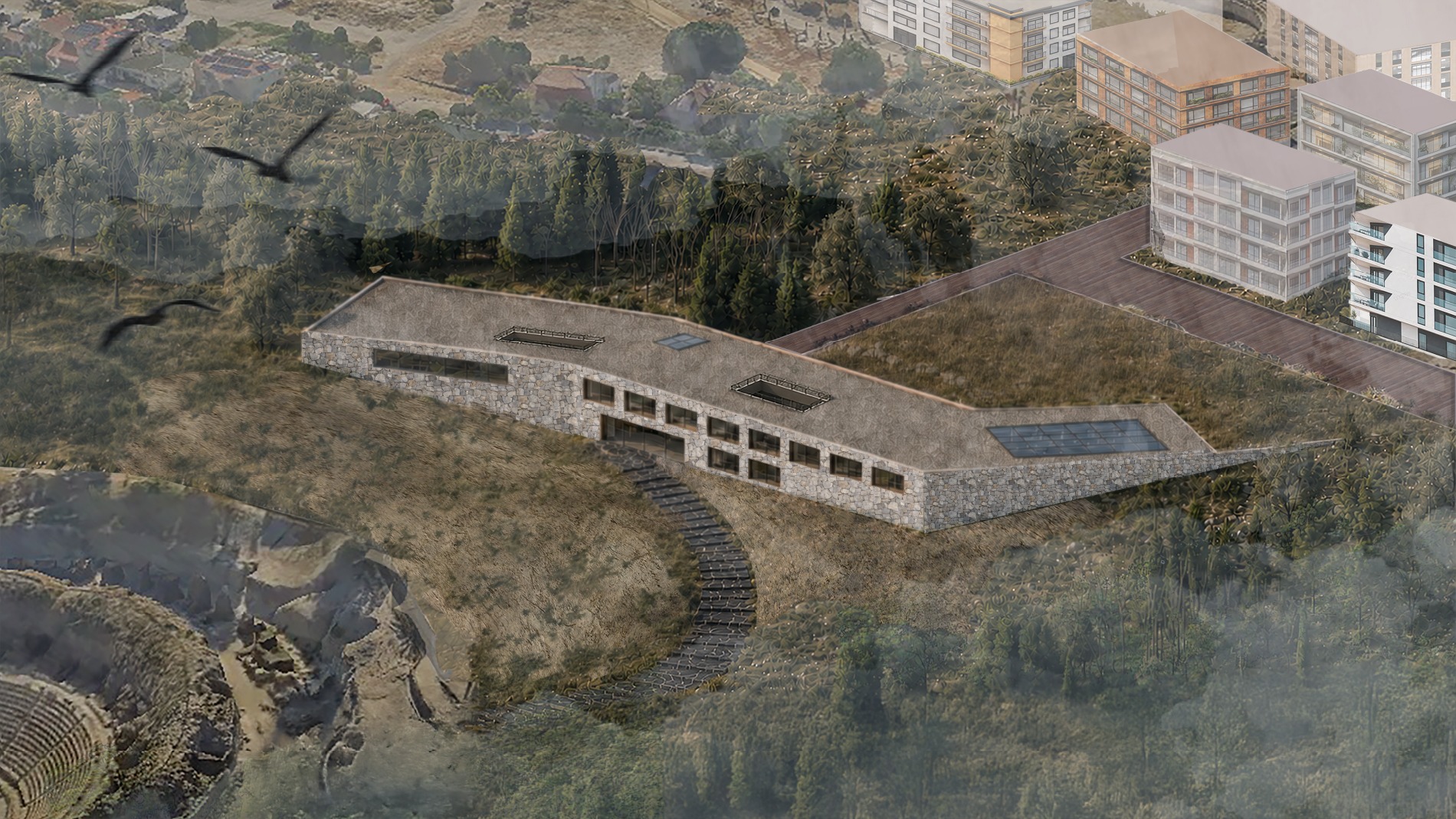
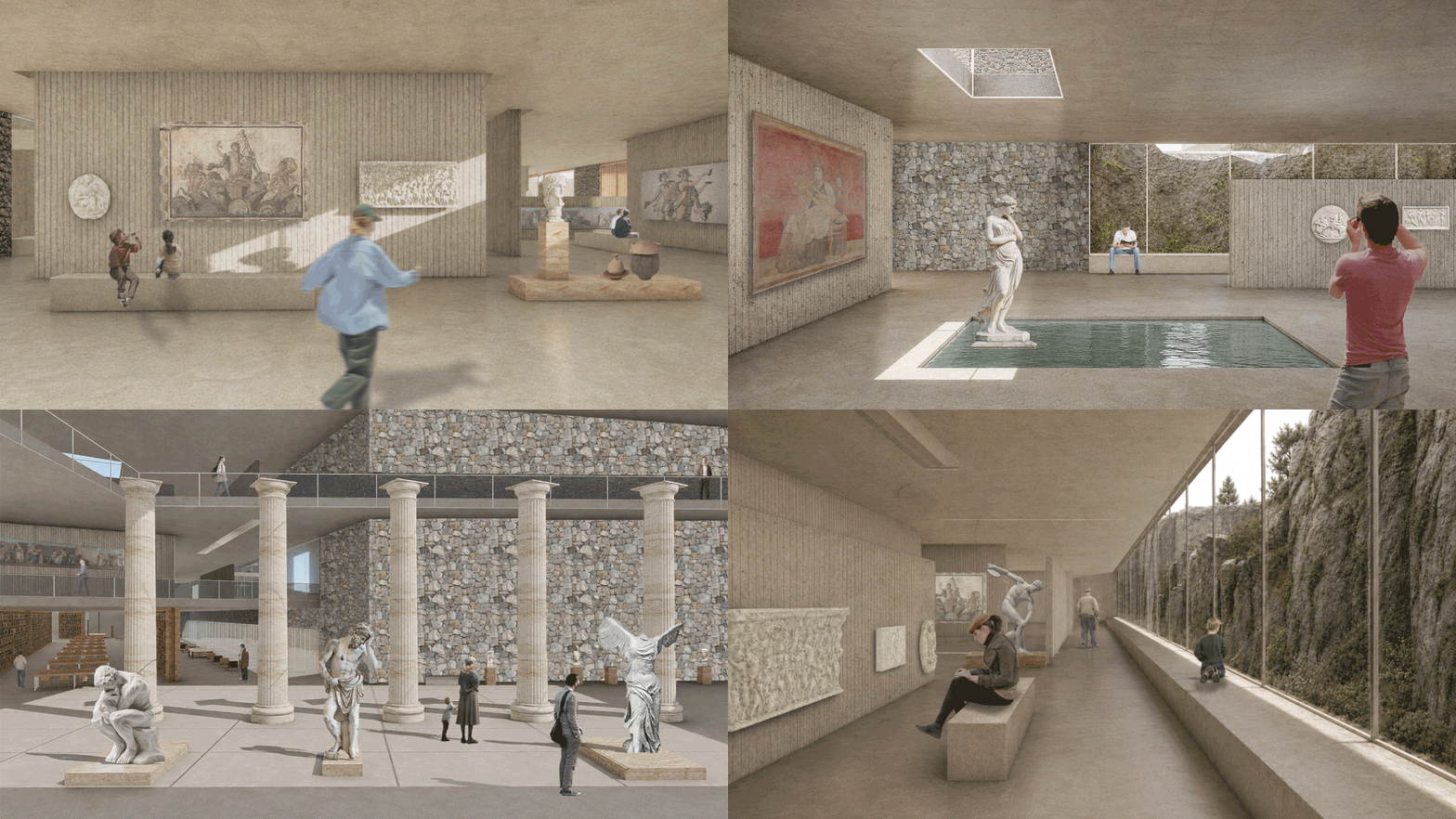
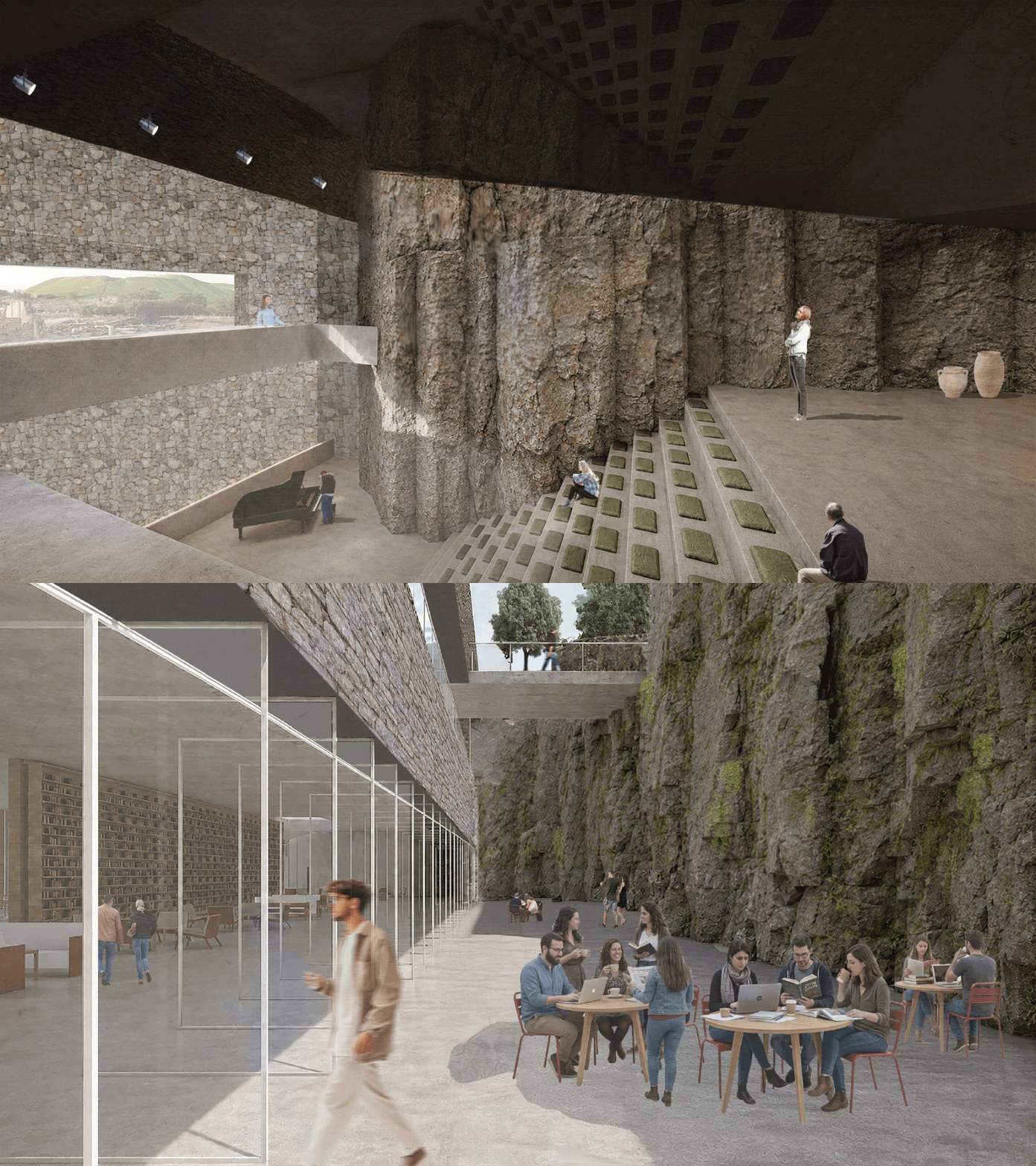
בלב המערכת, בתווך שבין העיר המודרנית לעיר העתיקה, ממוקם מבנה ציבורי המכיל מוזיאון, ספריה ואגף מחקר של רשות העתיקות. המבנה משמש שער, מעבר וחיבור בין העיר לגן הלאומי. הוא טמון בטופוגרפיה, אינו מתחרה בשרידים, אלא צומח מתוכם, מהדהד את ציריהם ומאפשר הן לתושבים והן למבקרים כאחד לפגוש את סיפורה של בית שאן. כך הופך הלב ההיסטורי של העיר ממשאב הנמצא לצדה, למקום השייך לה, לתושביה ולזהותה.
The project emerges from the experience of the uncanny in Beit She’an: a sense of estrangement that arises within an intimate and familiar space, and from my own encounter, as someone born in the Beit She’an Valley, with a place that is close and homelike, yet to a great extent unfamiliar.
At the heart of the project lies the disconnection between the modern city and the ancient city, which today exists as a separate entity, fenced off and detached from the everyday life of the city’s residents.
The design seeks to read the city of Beit She’an as an urban palimpsest: a space in which layers of time coexist side by side. Through a new urban system, the antiquities are transformed from a fenced and isolated site into an active part of the public realm and of everyday life. The urban intervention seeks to connect the historical focal points with the modern city.
At the heart of this system, in the space between the modern city and the ancient city, stands a public building containing a museum, a library, and a research wing of the Israel Antiquities Authority. The building serves as a gateway, a passage, and a connection between the city and the national park. Embedded within the topography, it does not compete with the archaeological remains, but rather grows out of them, echoes their axes, and allows both residents and visitors to encounter the story of Beit She’an.
In this way, the historic heart of the city is transformed from a resource situated beside it into a place that belongs to the city, to its residents, and to its identity.
ينبثق المشروع من تجربة «اللامألوف» في بيت شان, ذلك الشعور بالغربة الذي قد ينشأ داخل مكان من المفترض أن يكون قريبًا ومألوفًا. وينطلق أيضًا من تجربتي الشخصية، كوني وُلدت في بيت شان، ومن علاقتي بمكان قريب مني، لكنه بقي إلى حدّ كبير غير مألوف بالنسبة لي.
في قلب المشروع يقف الانفصال القائم اليوم بين المدينة الحديثة والمدينة القديمة، التي أصبحت كيانًا مستقلًا ومسيّجًا، ومنفصلًا عن الحياة اليومية لسكان المدينة.
يسعى التصميم إلى قراءة بيت شان كمدينة تتكوّن من طبقات تاريخية مختلفة تلتقي في المكان نفسه. ومن خلال إنشاء منظومة حضرية جديدة، يقترح المشروع تحويل الآثار من موقع مسيّج ومعزول إلى جزء فعال من الفضاء العام ومن الحياة اليومية في المدينة. وتعمل المنظومة الحضرية الجديدة على ربط المواقع التاريخية المختلفة بالمدينة الحديثة، وخلق علاقة متواصلة بينها.
وفي قلب هذه المنظومة، في المنطقة الواقعة بين المدينة الحديثة والمدينة القديمة، يقترح المشروع مبنى عامًا يضم متحفًا، ومكتبة، وجناحًا بحثيًا تابعًا لسلطة الآثار الإسرائيلية. يشكّل المبنى بوابة وممرًا يوصل بين المدينة والحديقة الوطنية. يتكيف المشروع مع تضاريس الموقع، بحيث لا ينافس البقايا الأثرية، بل ينطلق منها ويستمد اتجاهاته من محاورها، ويتيح للسكان والزوار فرصة التعرّف على قصة بيت شان والتفاعل معها.
وبذلك، يتحول القلب التاريخي للمدينة من موقع قائم إلى جانبها ومنفصل عنها، إلى مكان يصبح جزءًا منها، ومكان ينتمي إلى المدينة، وإلى سكانها، وإلى هويتها.