פעילות החציבה משנה באופן בלתי הפיך את פני הקרקע והטופוגרפיה, פוגעת באקולוגיה ויוצרת ניגוד חזותי עז לנוף הטבעי. עם סיום עבודות הכרייה, נותרות מחצבות נטושות כ-"צלקות" בנוף, ומהוות ביטוי חריף של התערבות האדם בטבע.
מחצבת "מחצבי אבן" בנשר, שפעלה בין השנים 1962-2011, התמקדה בעיקר בחציבת אבן דולומיט ובייצור חצץ. לאורך שנות פעילותה נתקלה המחצבה בהתנגדות ציבורית נרחבת בשל השפעותיה הסביבתיות והנופיות, שכללו אבק, רעש, פיצוצים ותנועה ערה של משאיות כבדות. מאז סגירתה בשנת 2011 נותרה המחצבה נטושה ובלתי נגישה לציבור.
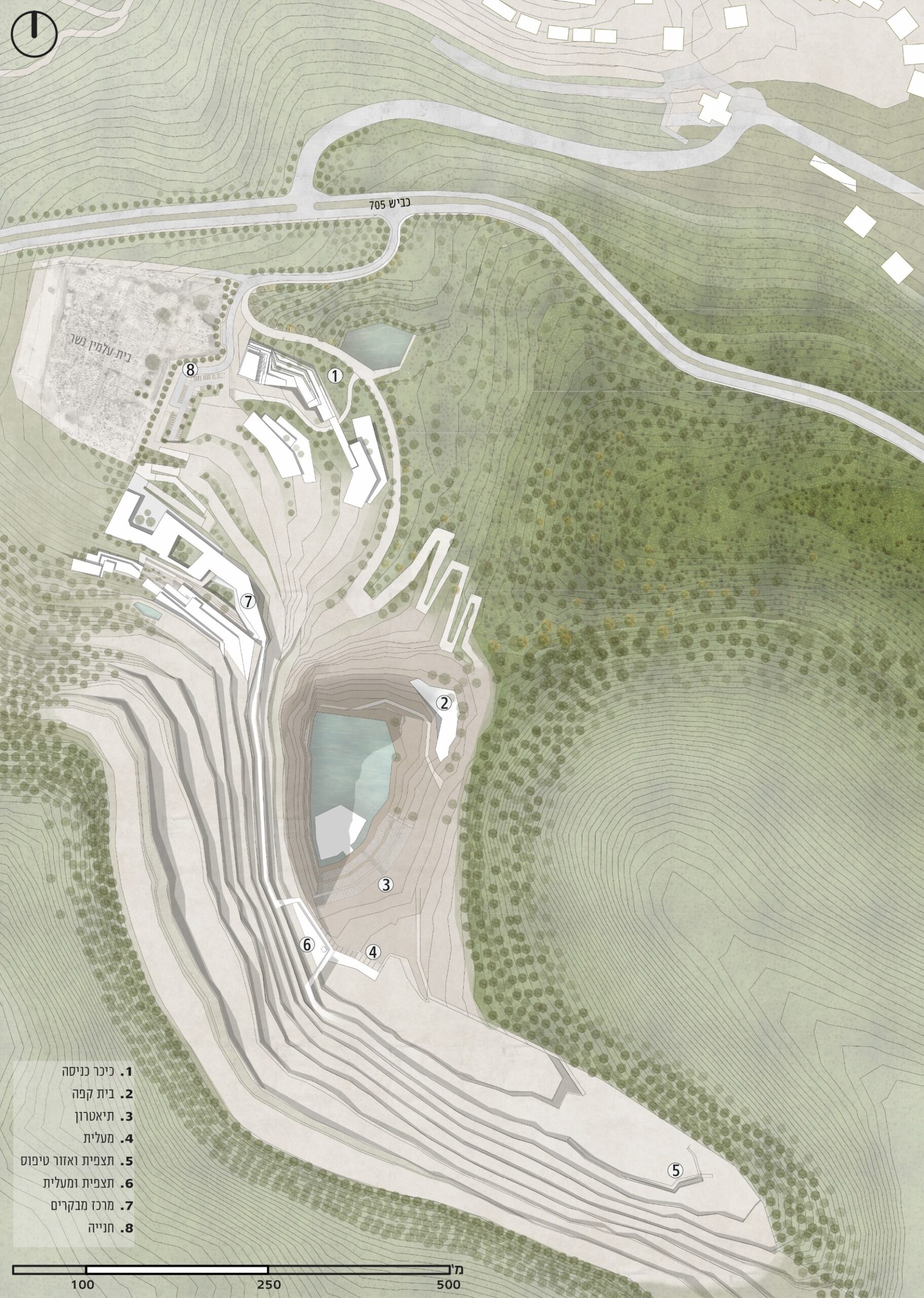
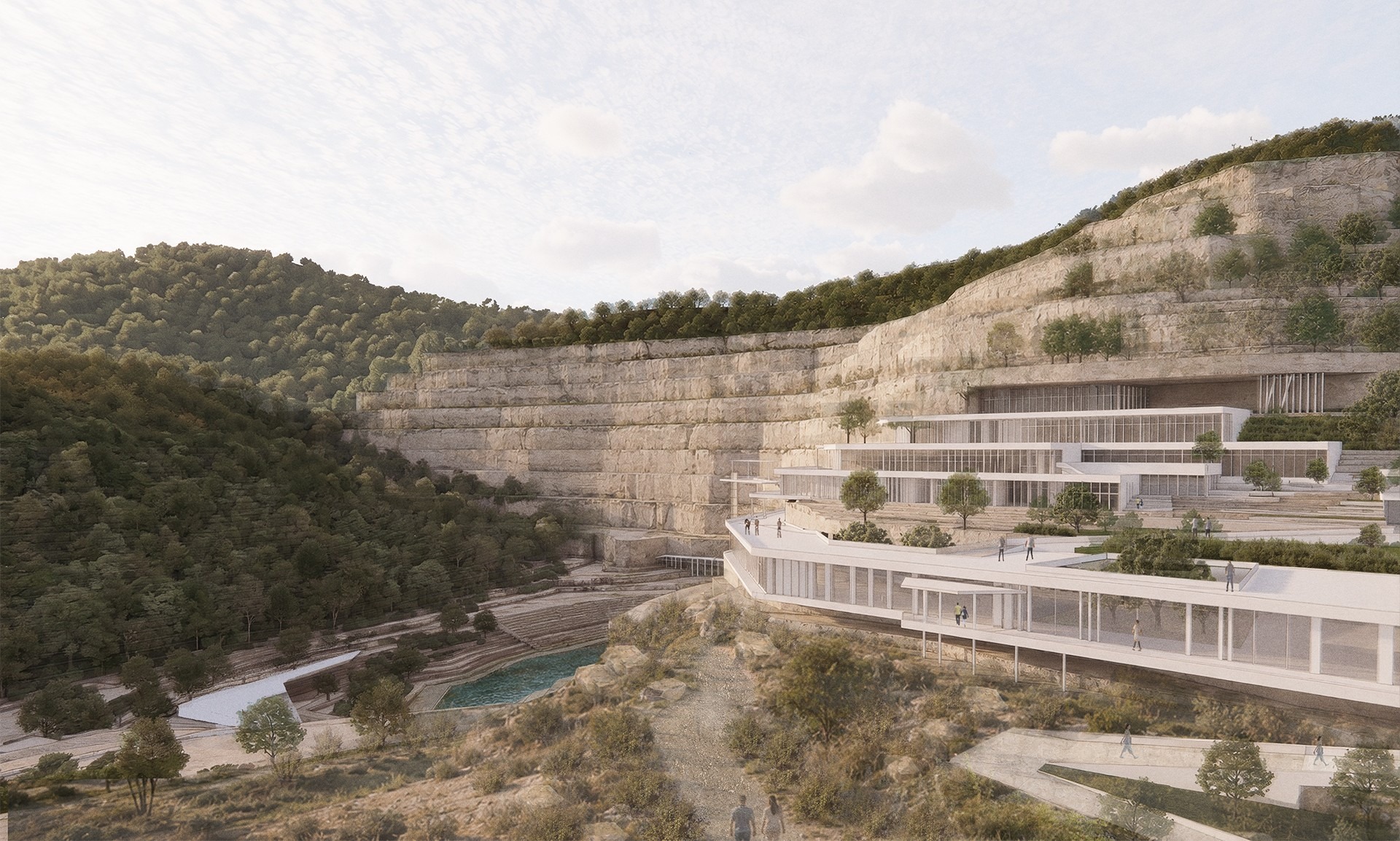
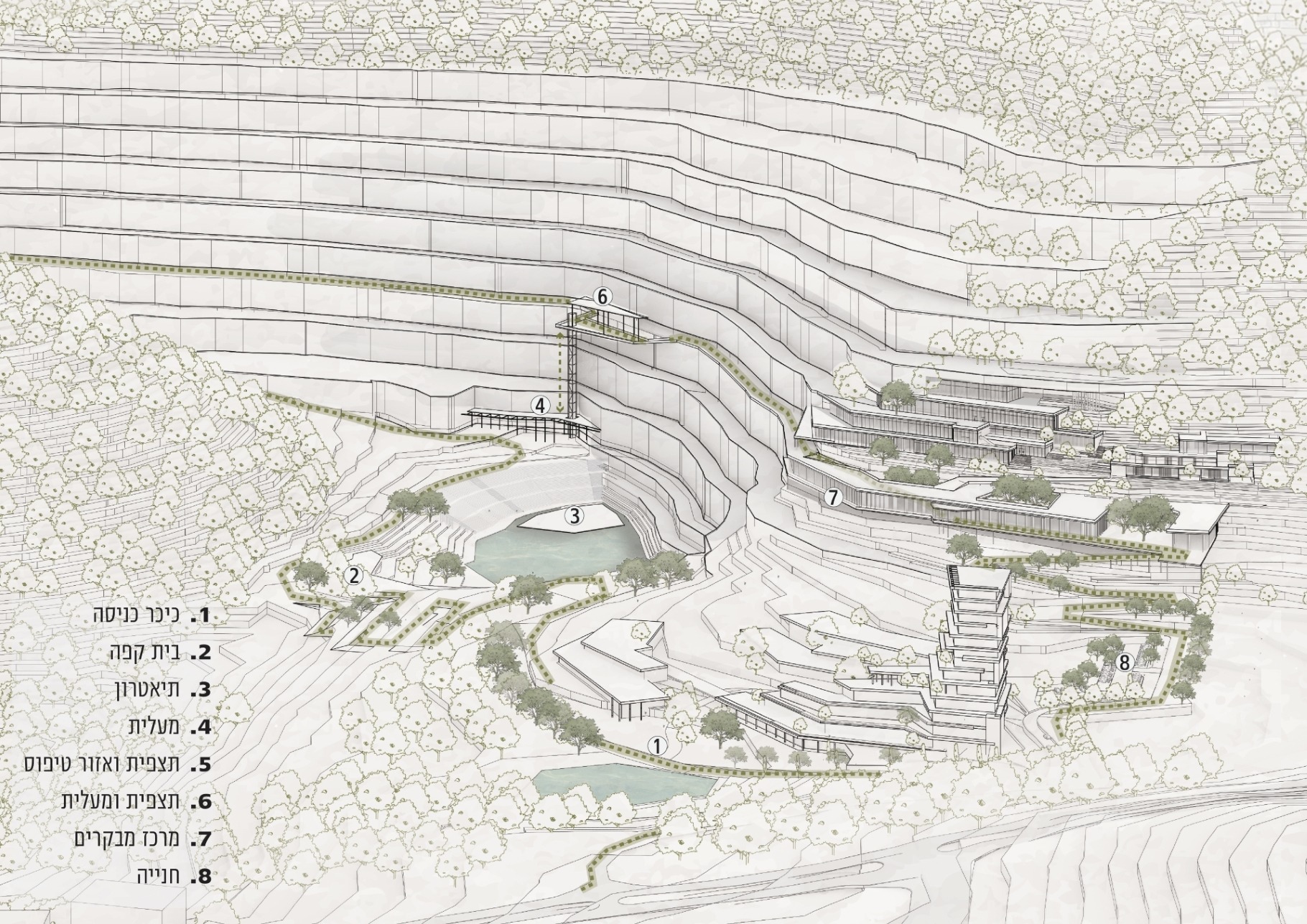
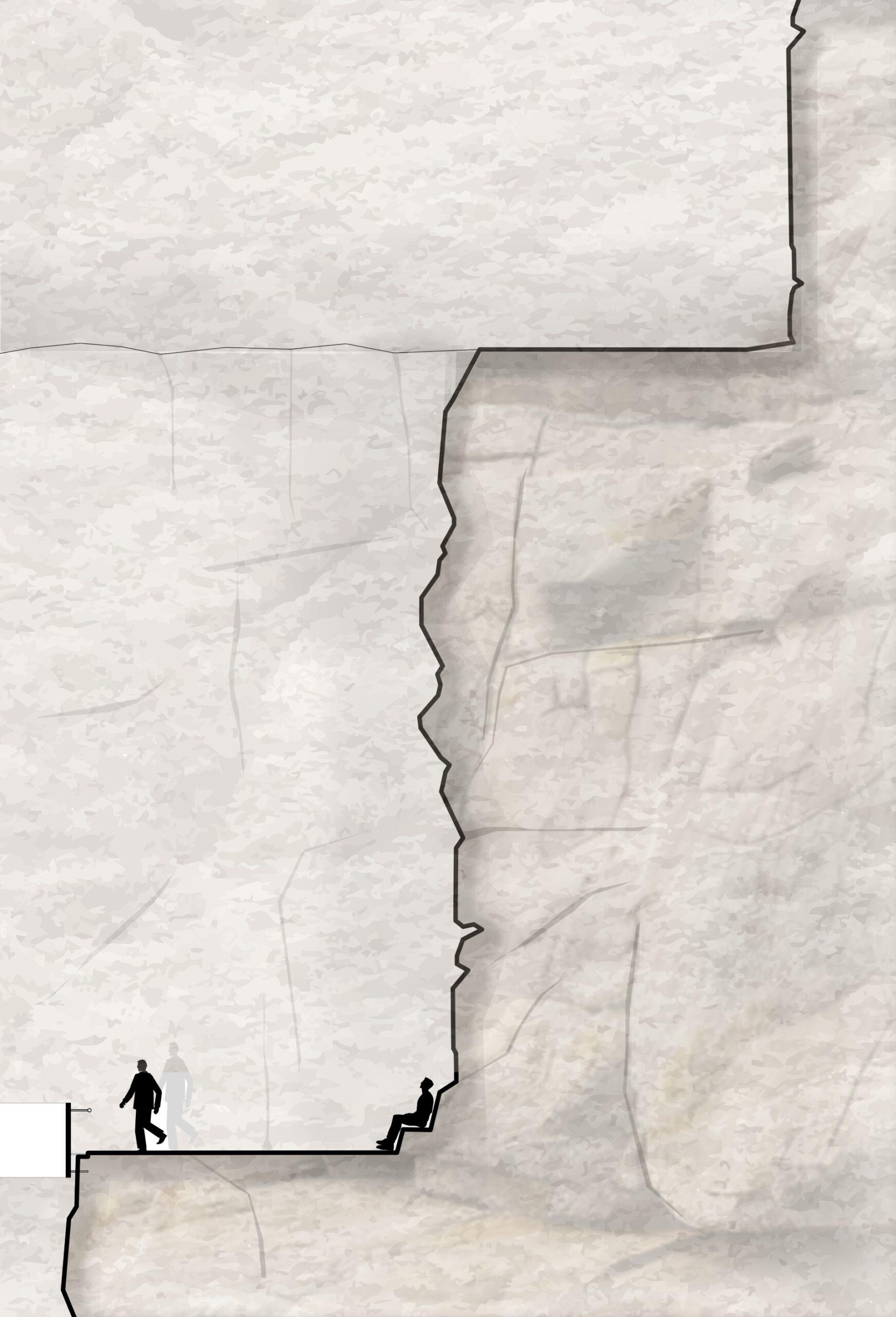
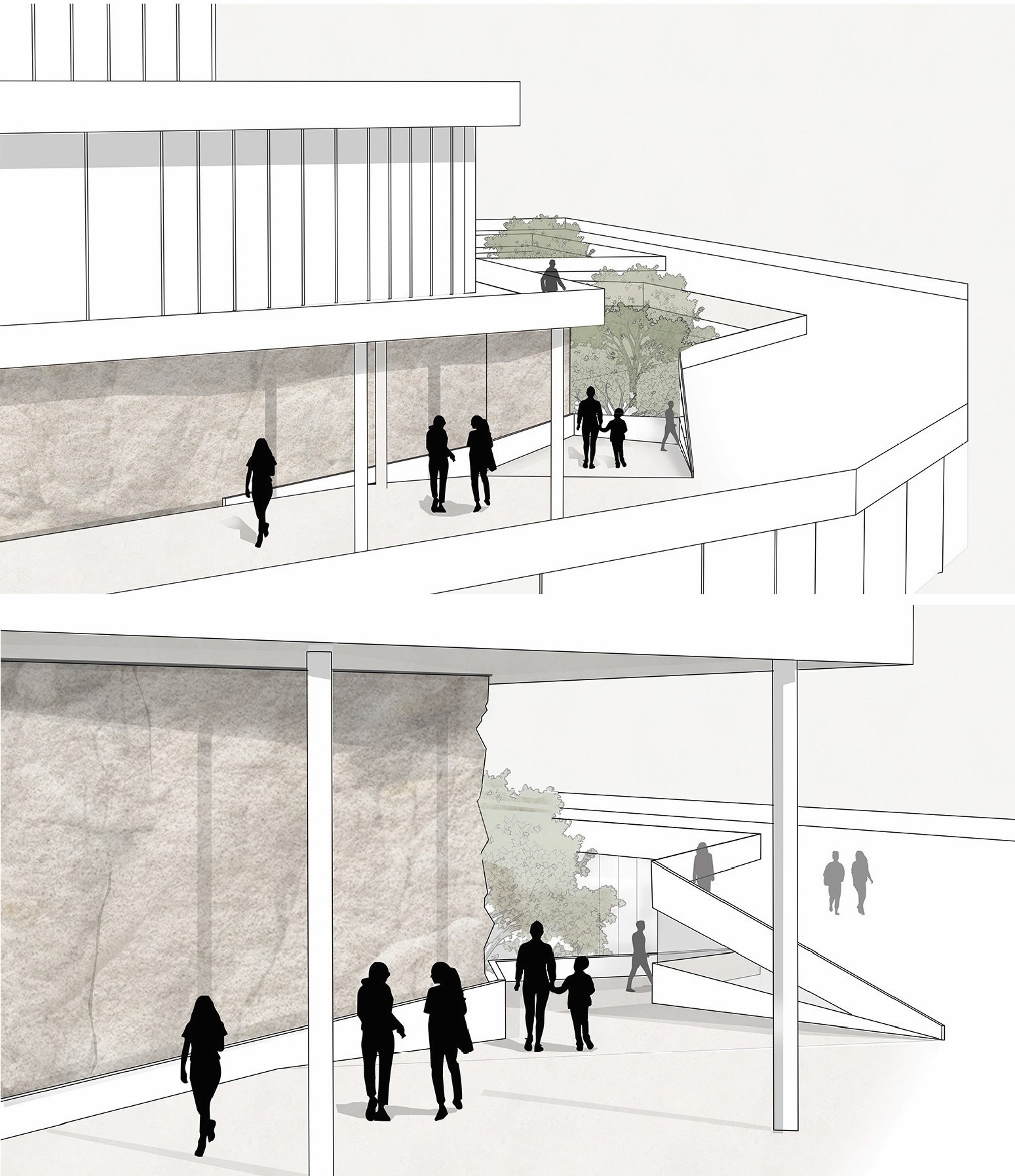
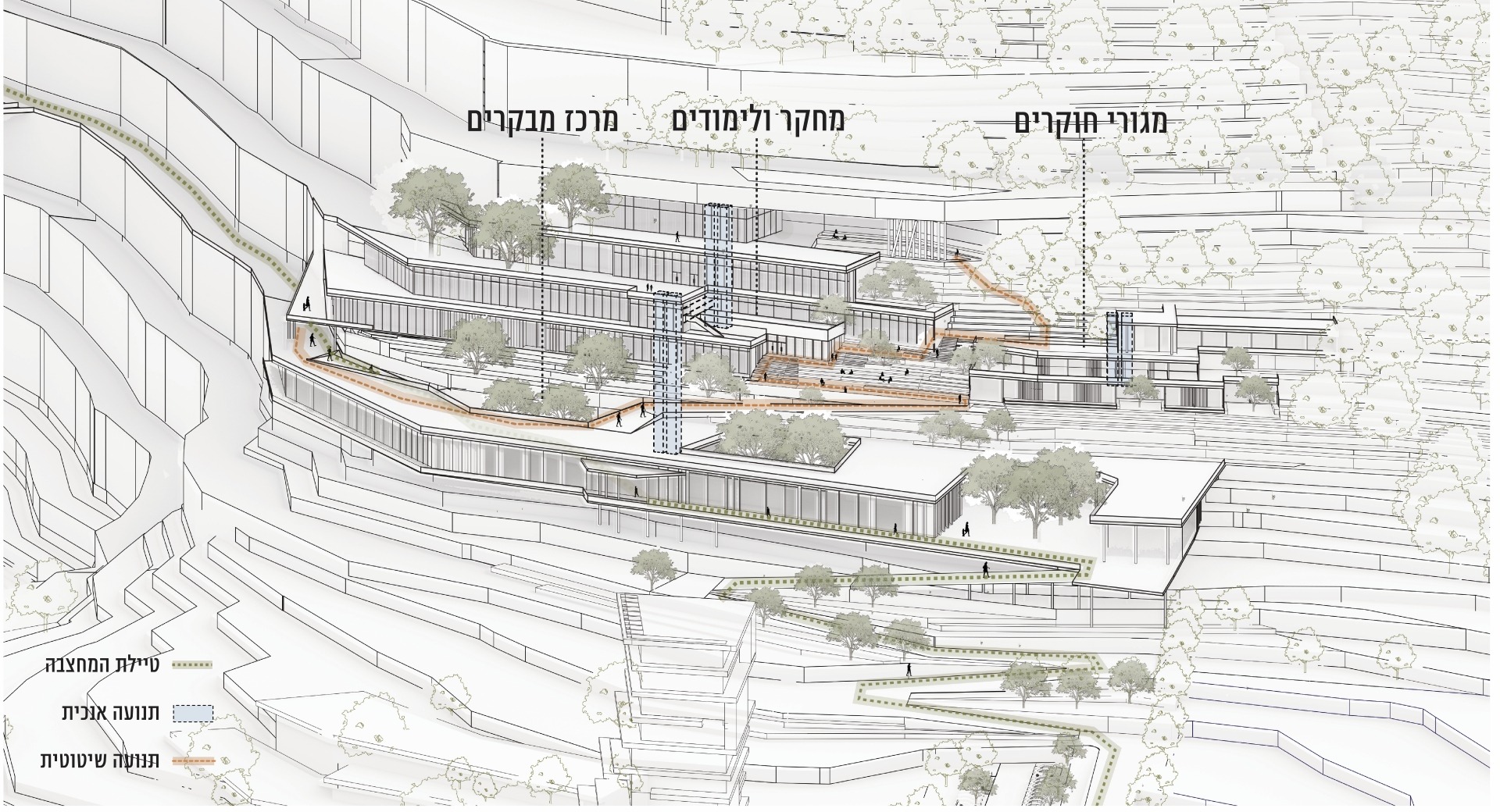
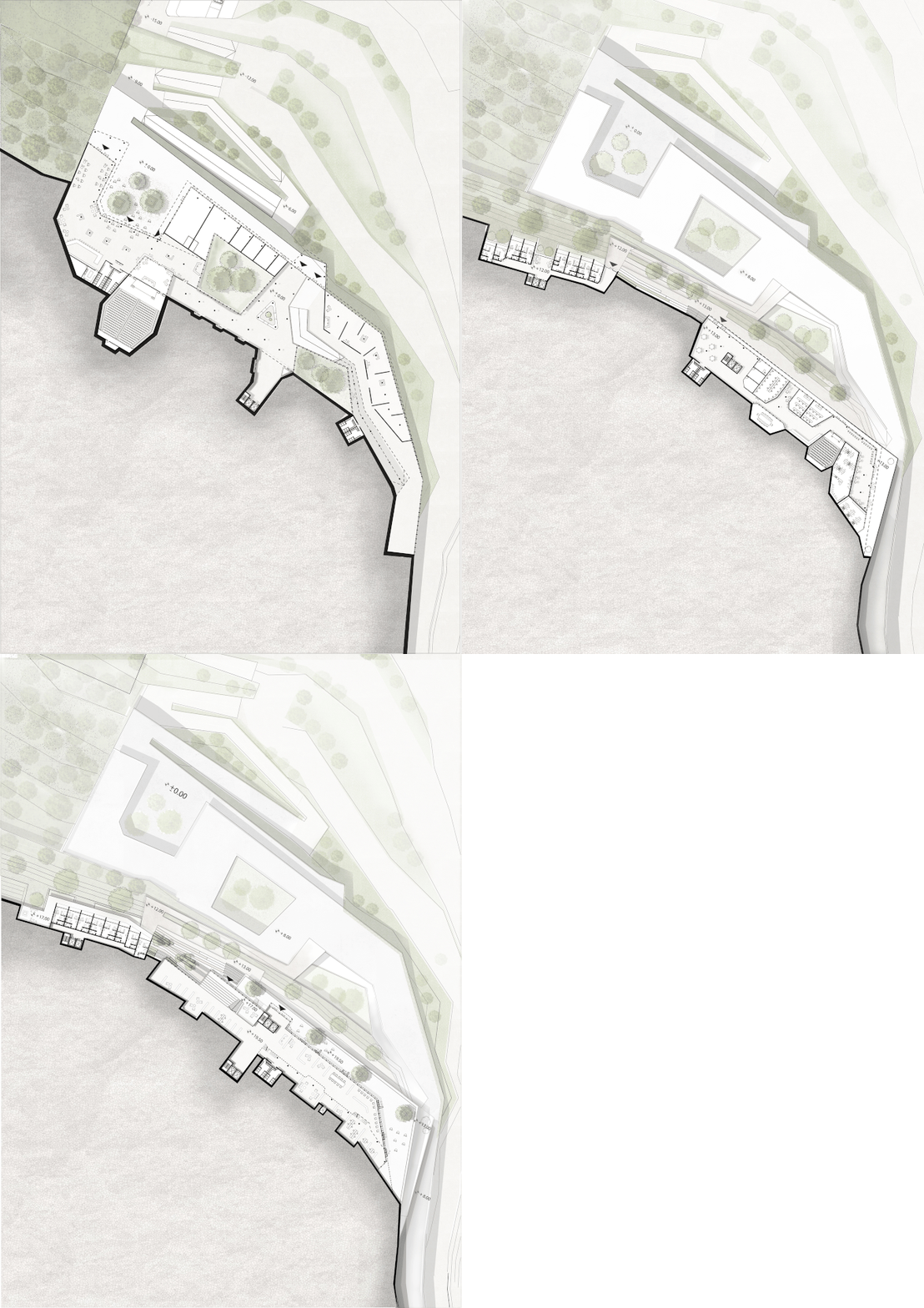
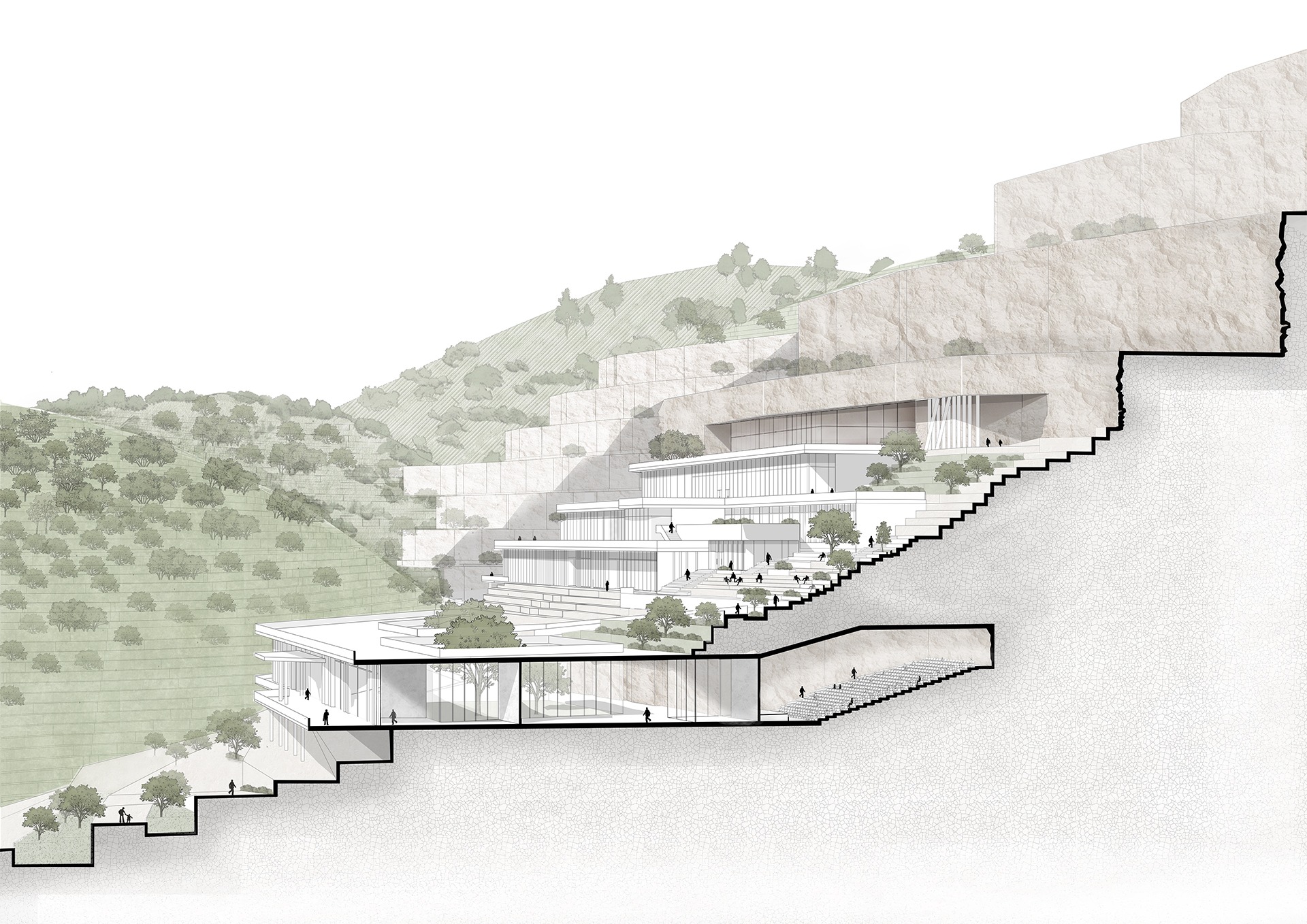
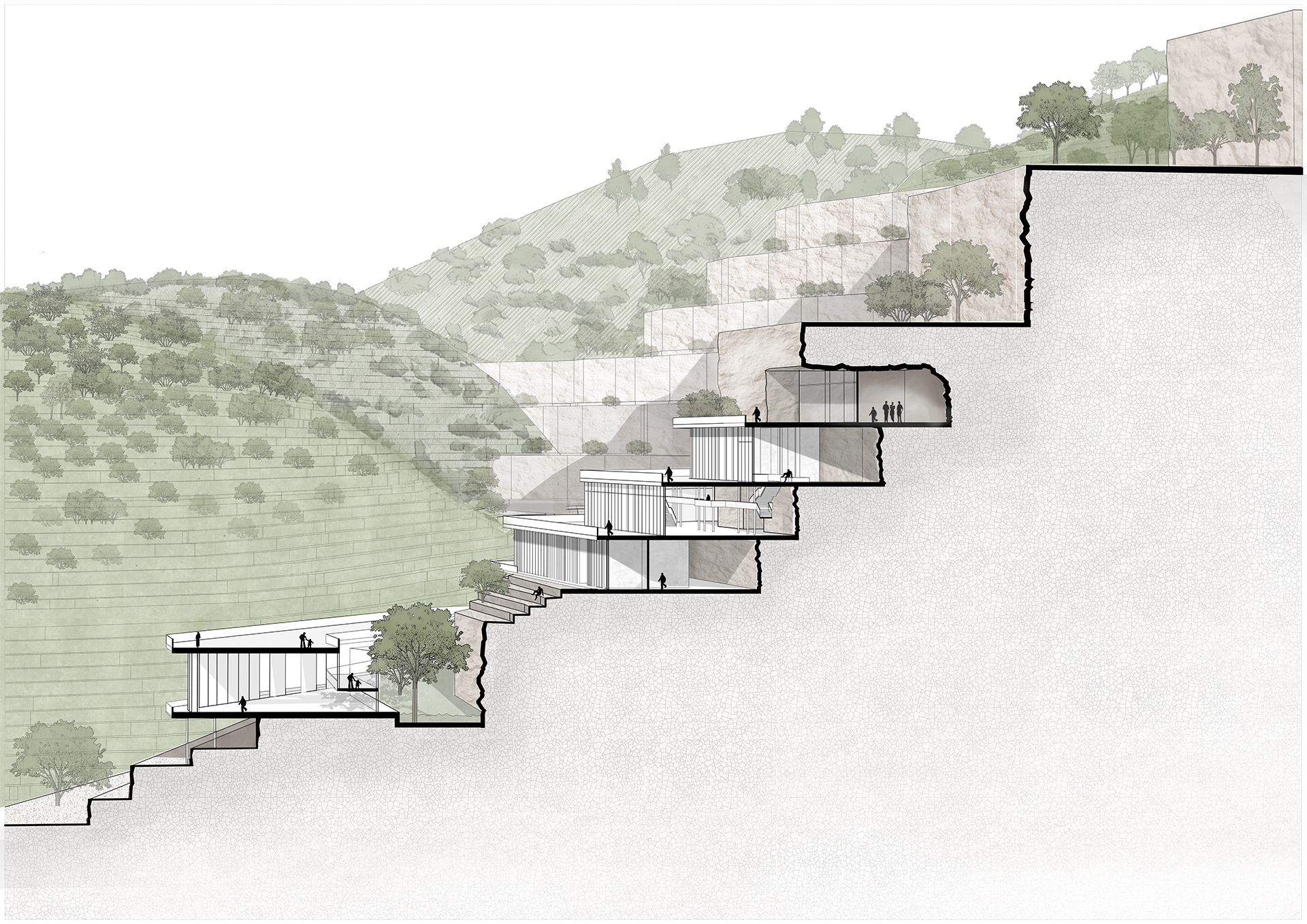
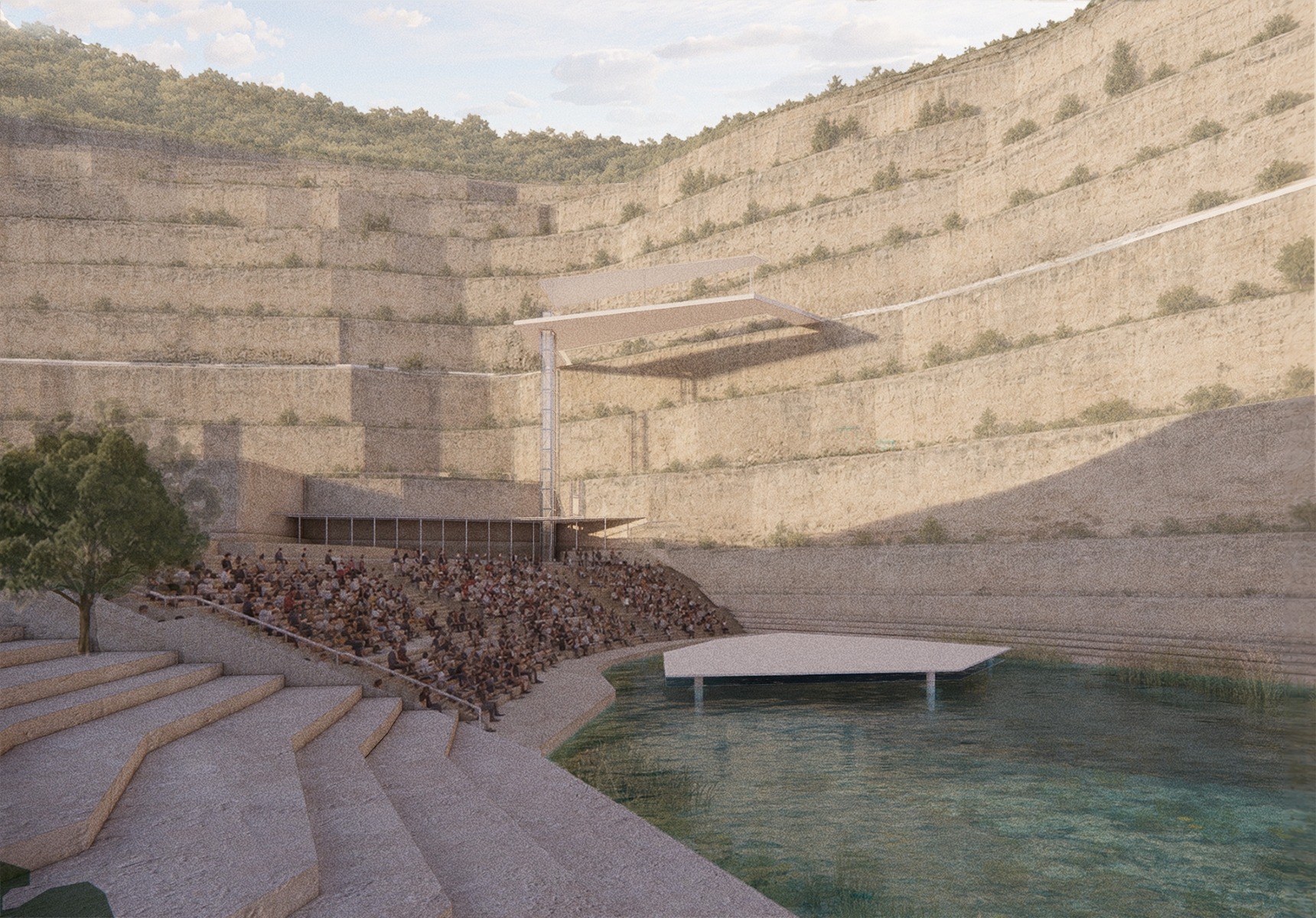
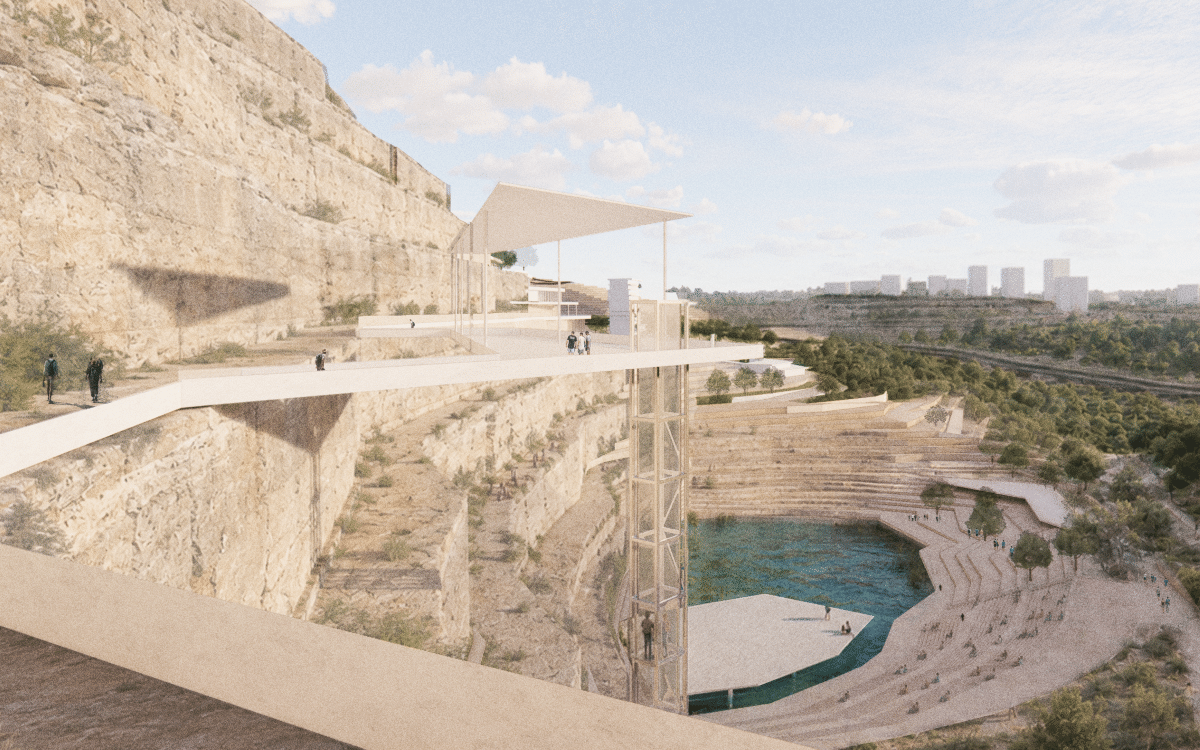
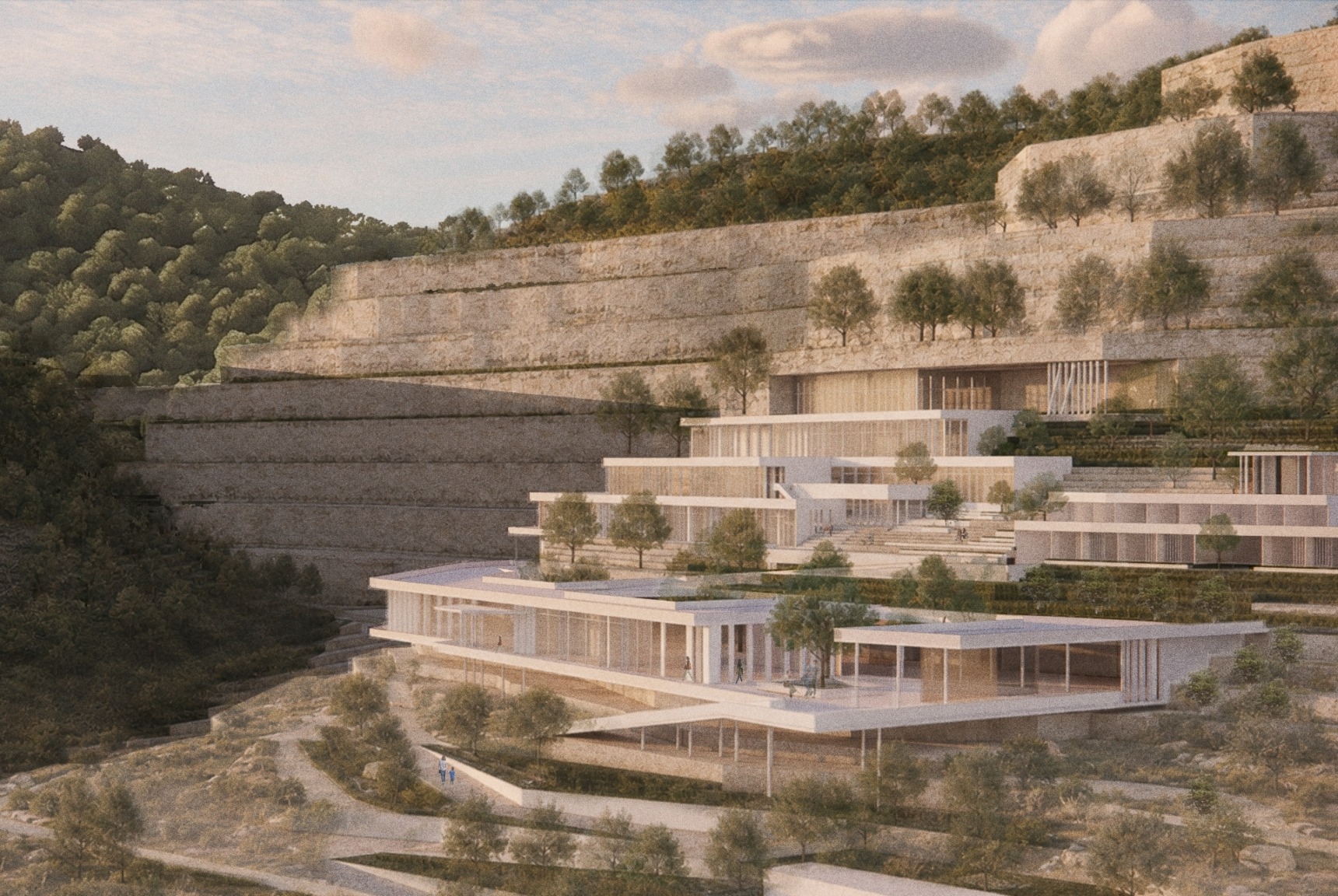
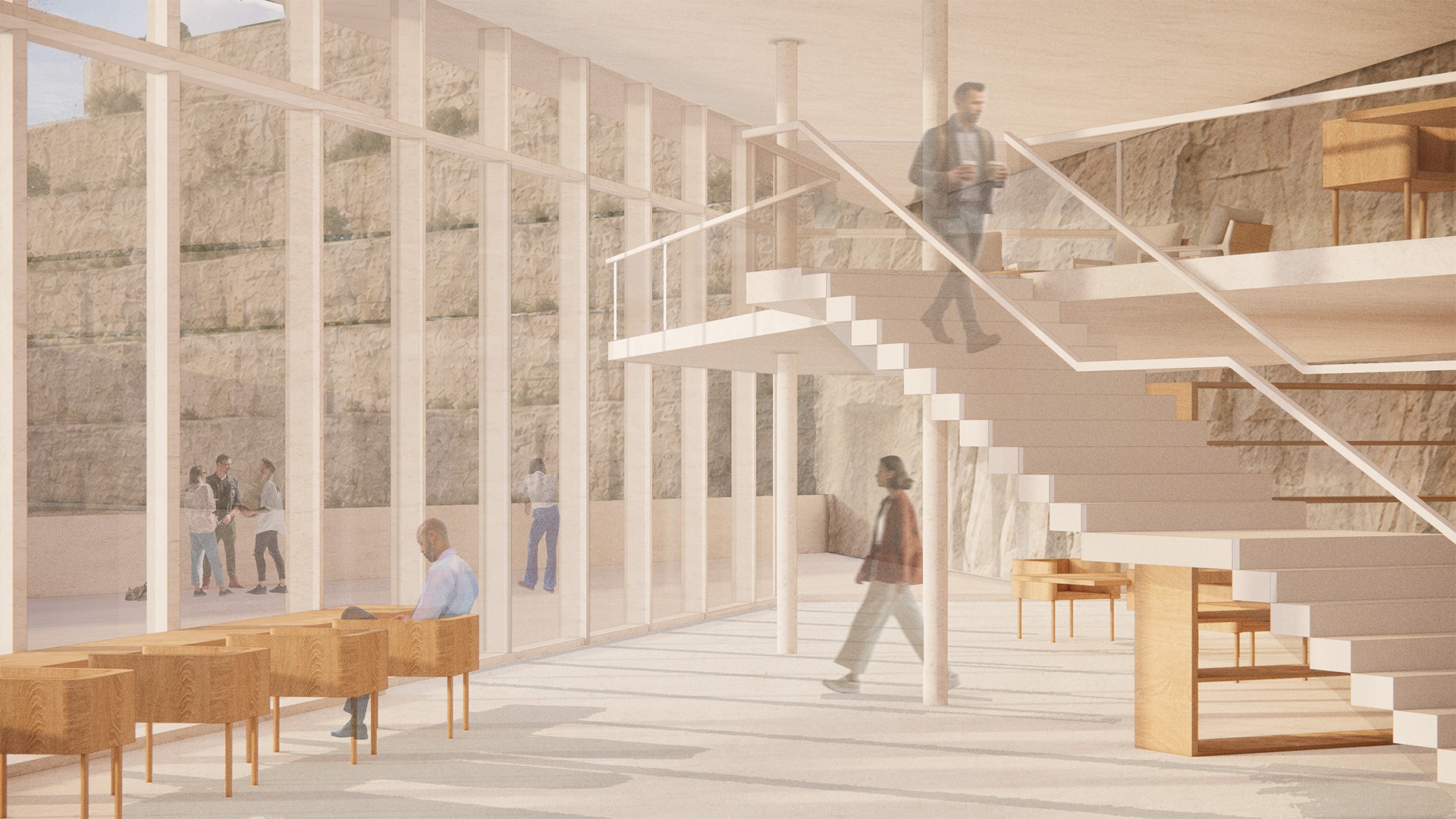
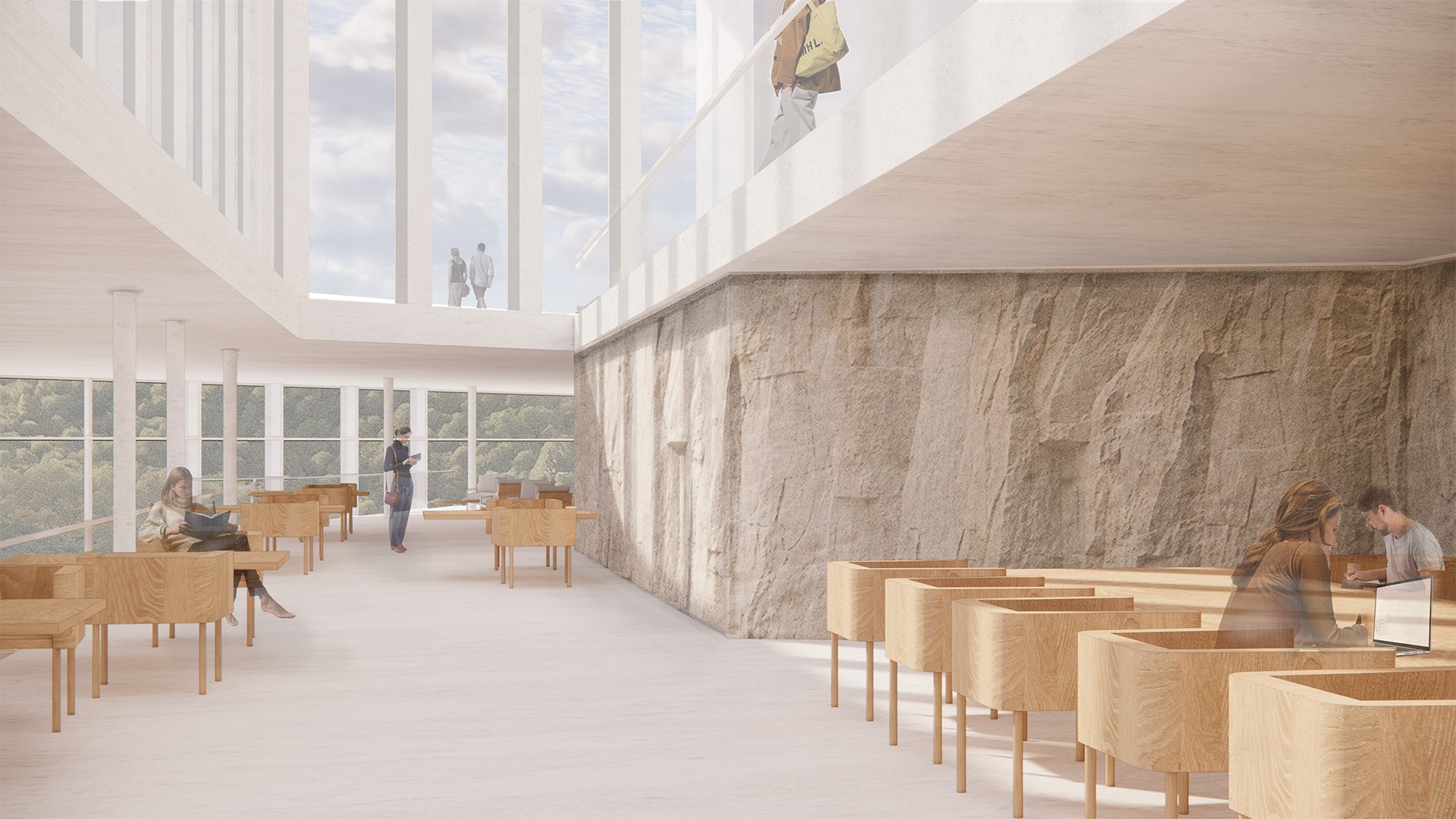
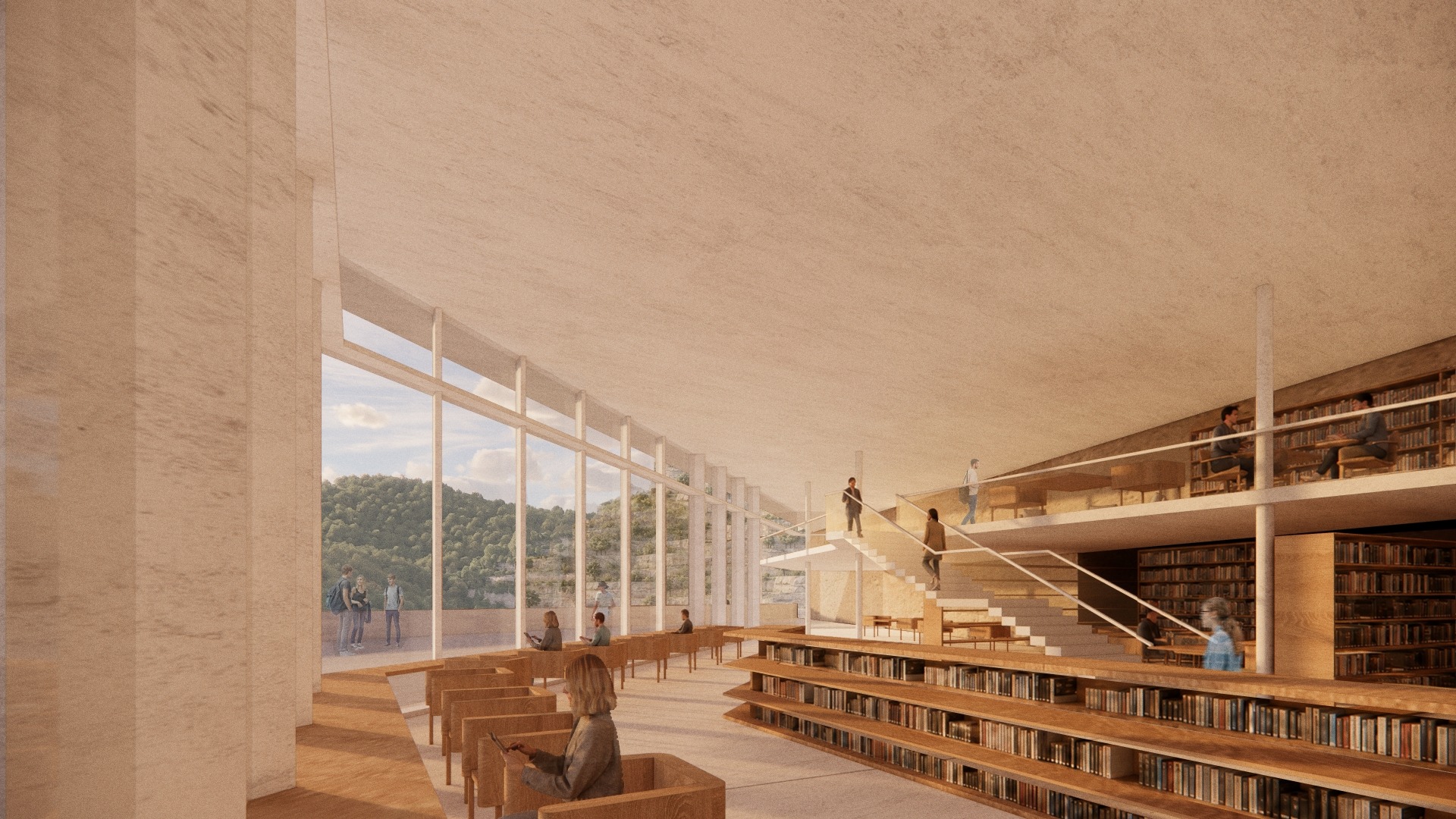
הפרויקט מבקש לקרוא מחדש את מחצבת נשר הנטושה ולהחיותה – להפוך אותה מפצע פעור במרחב הטבעי למרכז ציבורי חי. הפרויקט משלב מרכז מבקרים, מרחבי מחקר ומגורים לחוקרים, היוצרים מפגש בין הציבור, הקהילה האקדמית והסביבה הטבעית. טיילת חווייתית מתפתלת לאורך מדרגות החציבה ומחברת בין מוקדי עניין, תצפית ושהייה, שבמרכזם בריכה אקולוגית ואמפיתיאטרון הממוקמים בתחתית המחצבה. באמצעות מערכת מרחבית המשתלבת בטופוגרפיה הקיימת ומשמרת את אופיו הייחודי של הנוף החצוב, הפרויקט יוצר מפגש מחודש בין טבע, זיכרון ואדם.
Quarrying irreversibly alters the ground surface and topography, disrupts ecological systems, and creates a stark visual contrast with the natural landscape. Once extraction ceases, abandoned quarries remain as “scars” in the landscape, serving as powerful expressions of human intervention in nature.
The “Machtsavei Even” Quarry in Nesher, which operated from 1962 to 2011, focused primarily on dolomite extraction and gravel production. Throughout its years of operation, the quarry faced widespread public opposition due to its environmental and visual impact, including dust, noise, blasting, and heavy truck traffic. Since its closure in 2011, the quarry has remained abandoned and inaccessible to the public.
The project seeks to reinterpret and revive the abandoned Nesher Quarry, transforming it from an open wound in the natural landscape into a vibrant public center. The project integrates a visitor center, research facilities, and researchers’ residences, fostering an encounter between the public, the academic community, and the natural environment. An experiential promenade winds along the quarry terraces, connecting a series of points of interest, observation, and gathering, with an ecological pool and an amphitheater at the quarry’s base as its central focal point. Through a spatial system that integrates with the existing topography and preserves the unique character of the excavated landscape, the project creates a renewed encounter between nature, memory, and people.