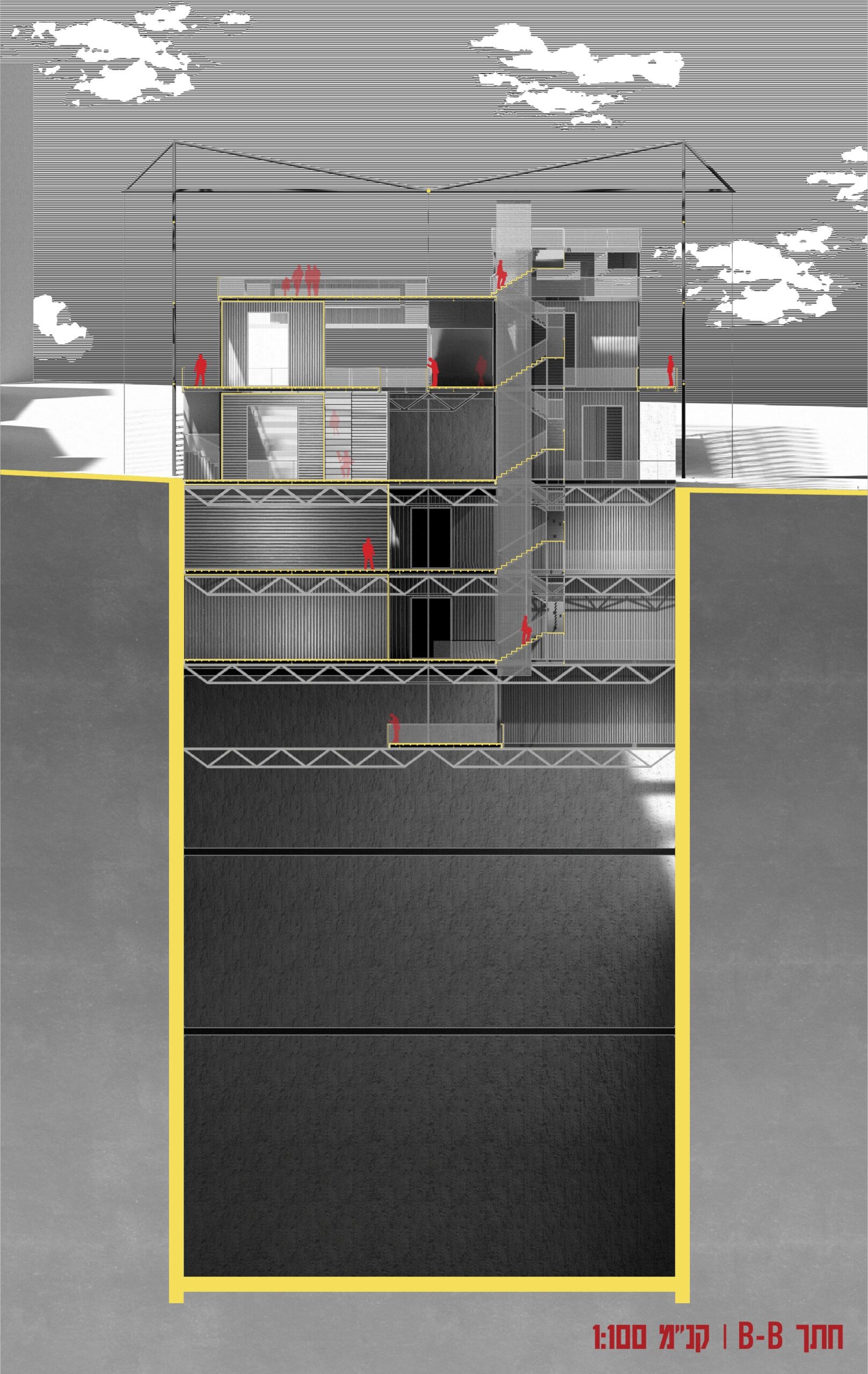
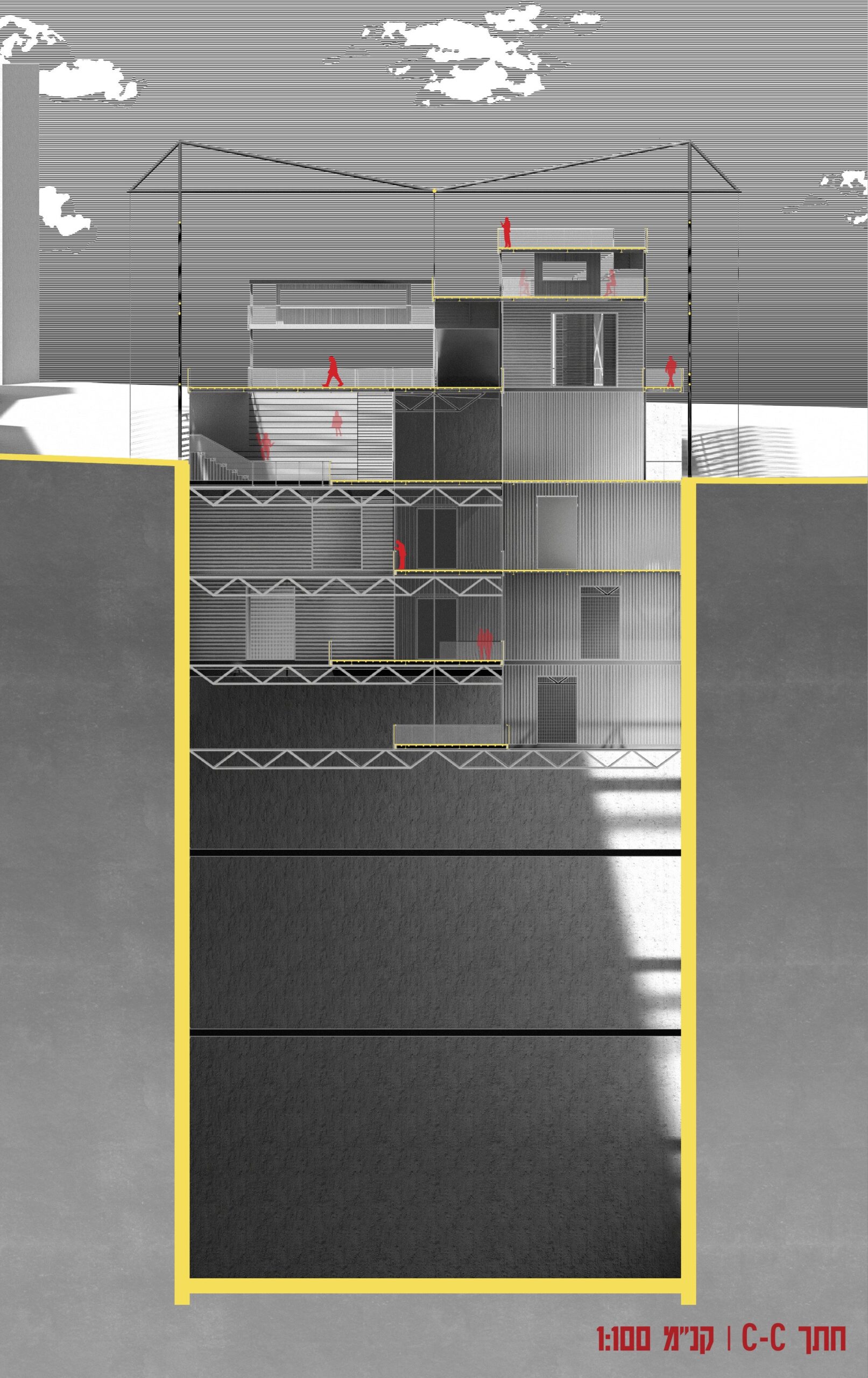
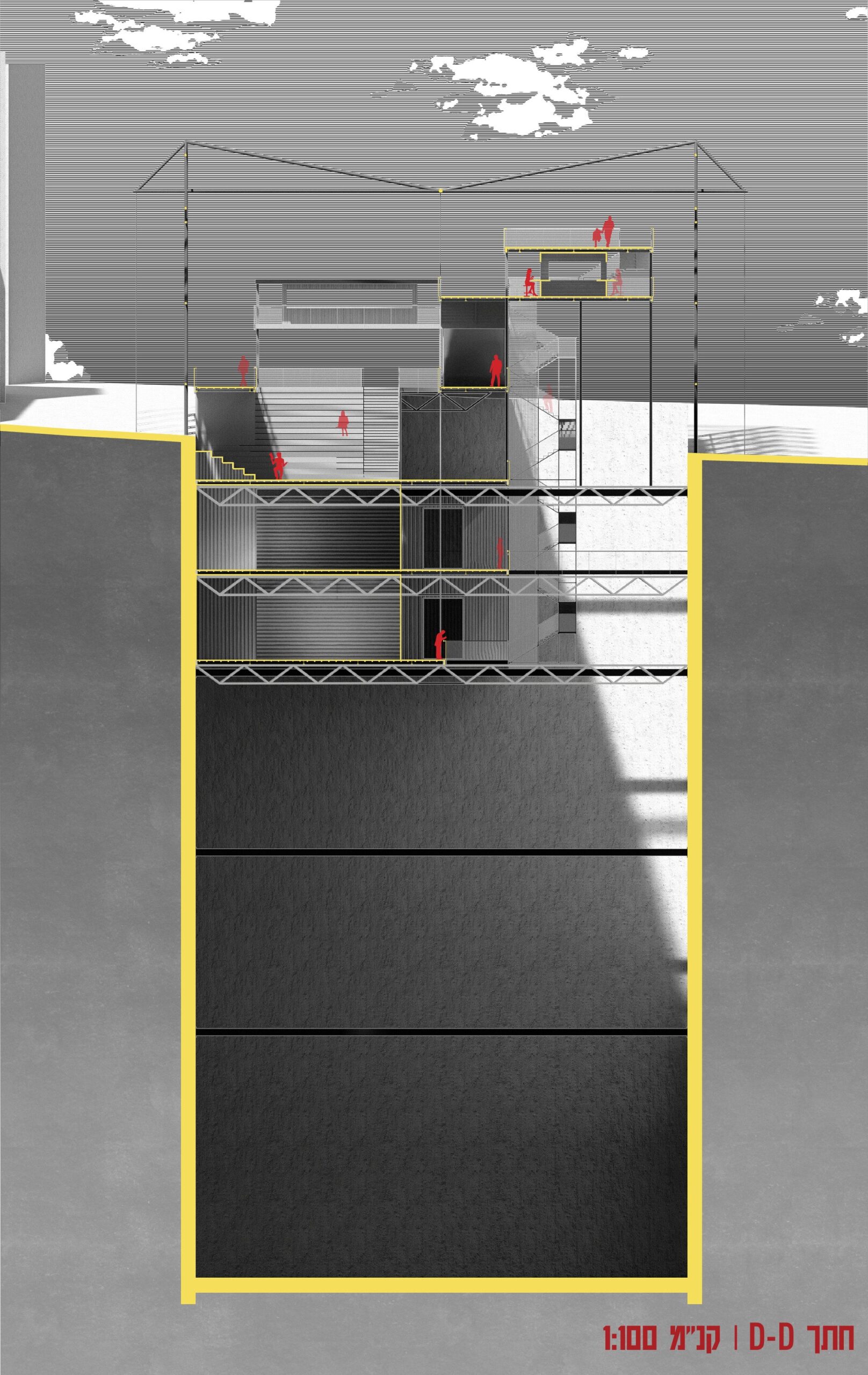
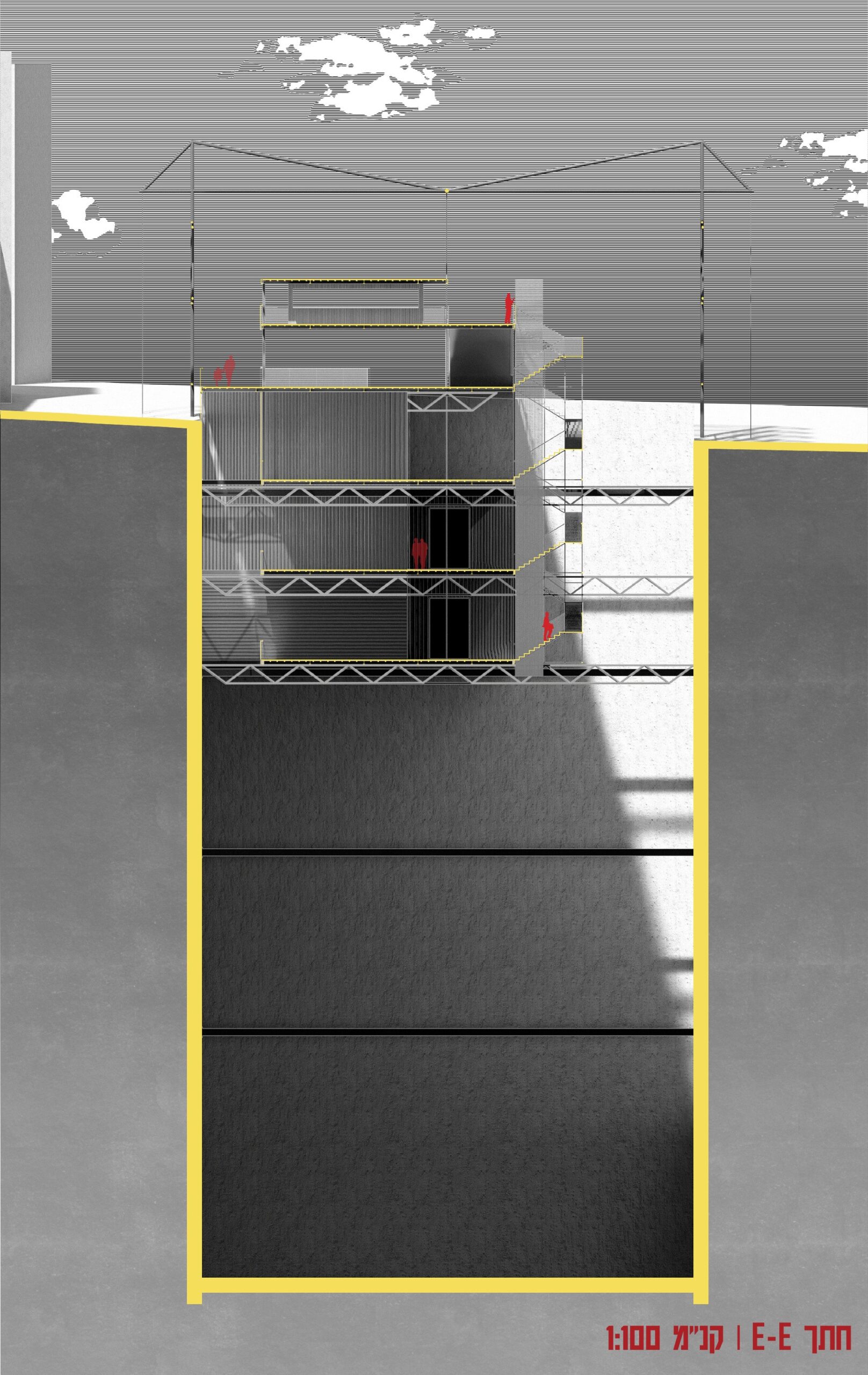
העיר נמצאת בתהליך מתמיד של שינוי, אך דווקא הרגע שבו השינוי מתרחש נתפס לרוב כזמן שצריך לחלוף. פרויקטים תשתיתיים גדולים משנים את המרחב העירוני לאורך שנים ארוכות, ובמהלך הקמתם נוצרים אתרי בנייה רחבי היקף, מרחבים מגודרים וסגורים, שמתקיימים בלב העיר בזמן שכולנו ממתינים לתוצאה העתידית. הפרויקט פועל בתוך הזמן הזה.
הפרויקט מתמקם באתר תחנת המטרו העתידית בכיכר מגן דוד בתל אביב, ורואה בשנות הקמתה לא רק שלב בדרך אל התחנה, אלא מצב עירוני בפני עצמו. הפרויקט מבקש לאכלס את הבור בזמן שהוא עדיין אתר תשתית פעיל, להחזיר אליו פעילות עירונית, לחשוף את תהליך הבנייה ולאפשר לעיר, לציבור ולעובדי האתר להתקיים לצדו ובתוכו.
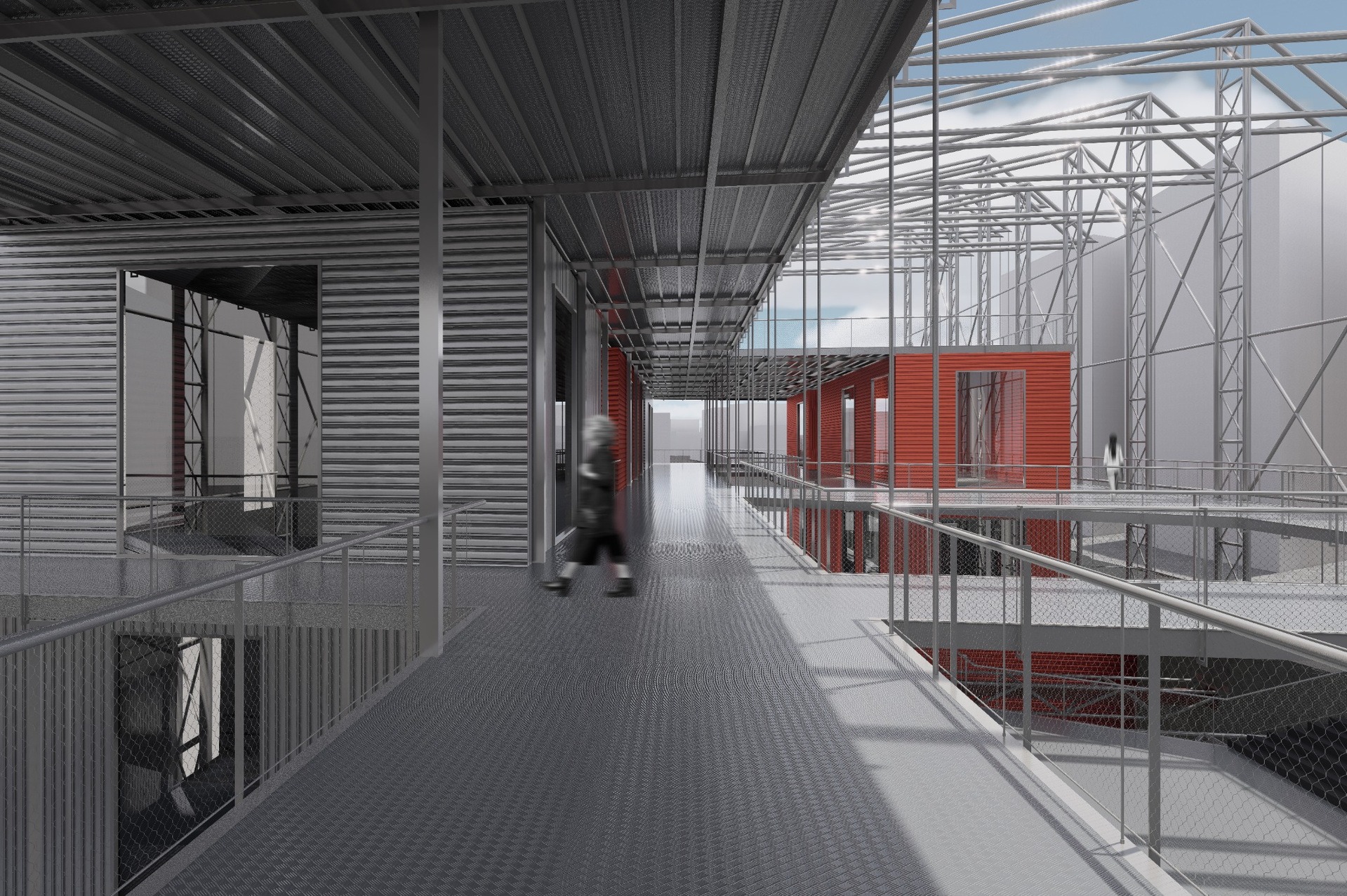
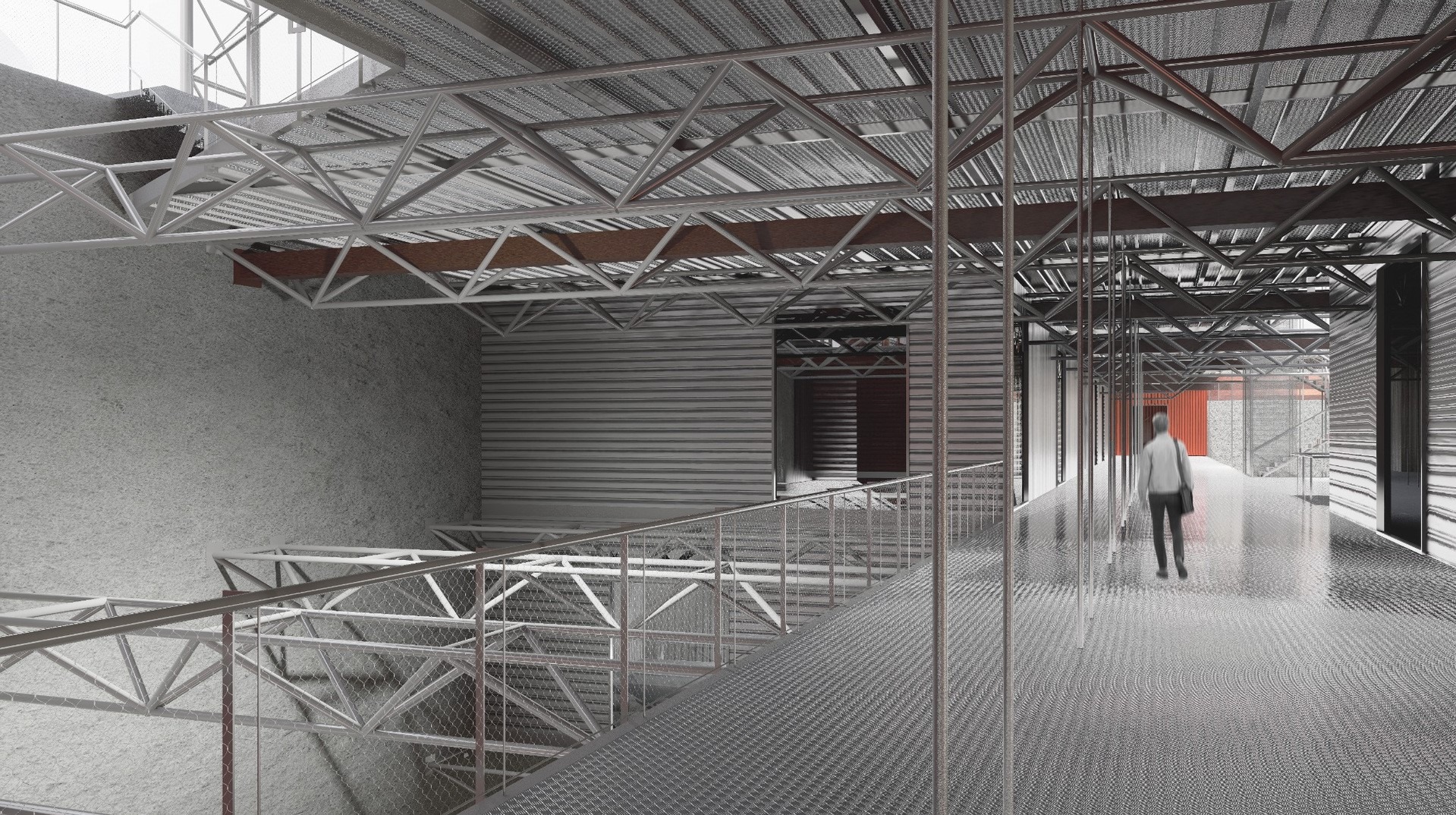
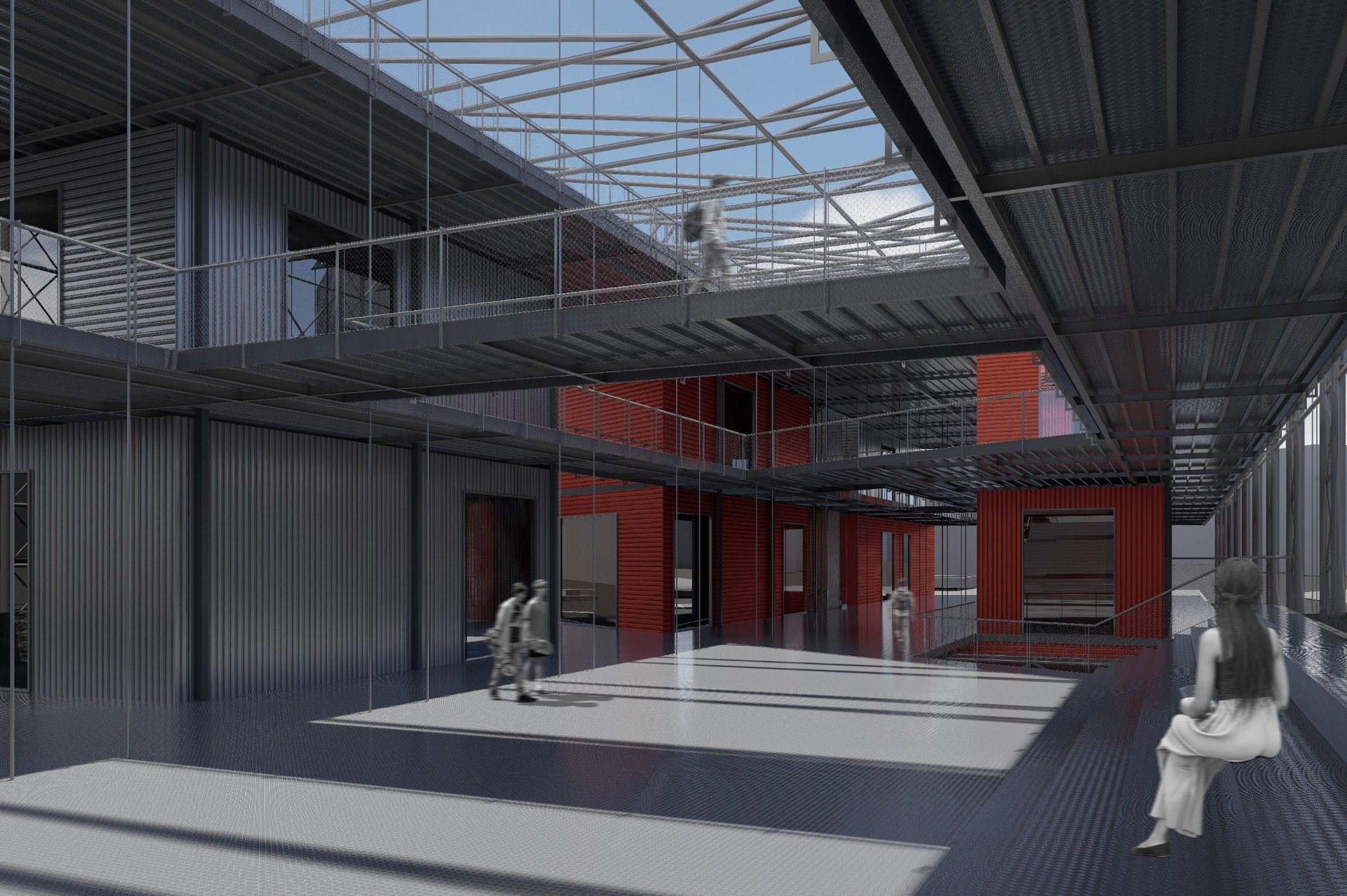
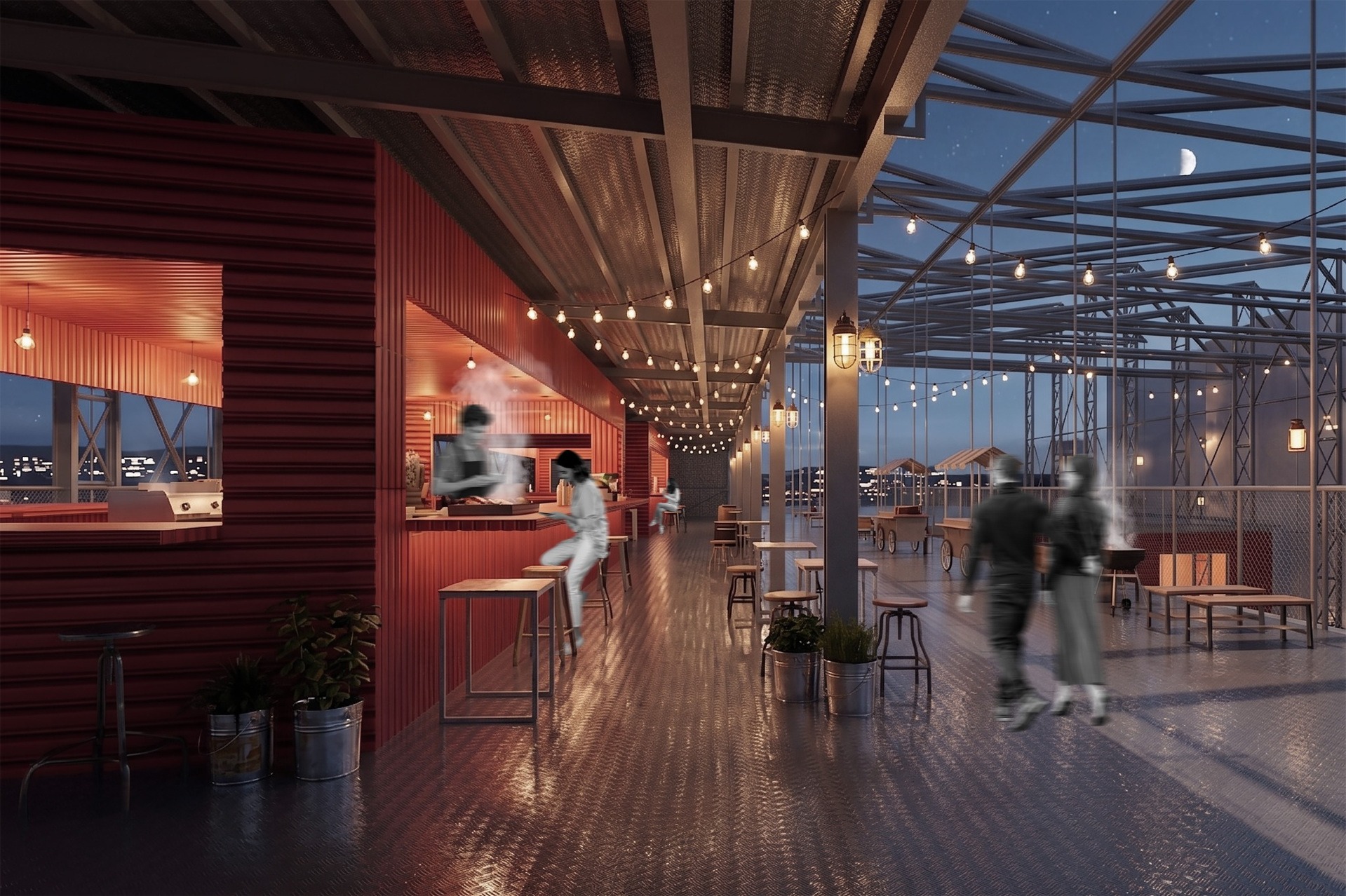
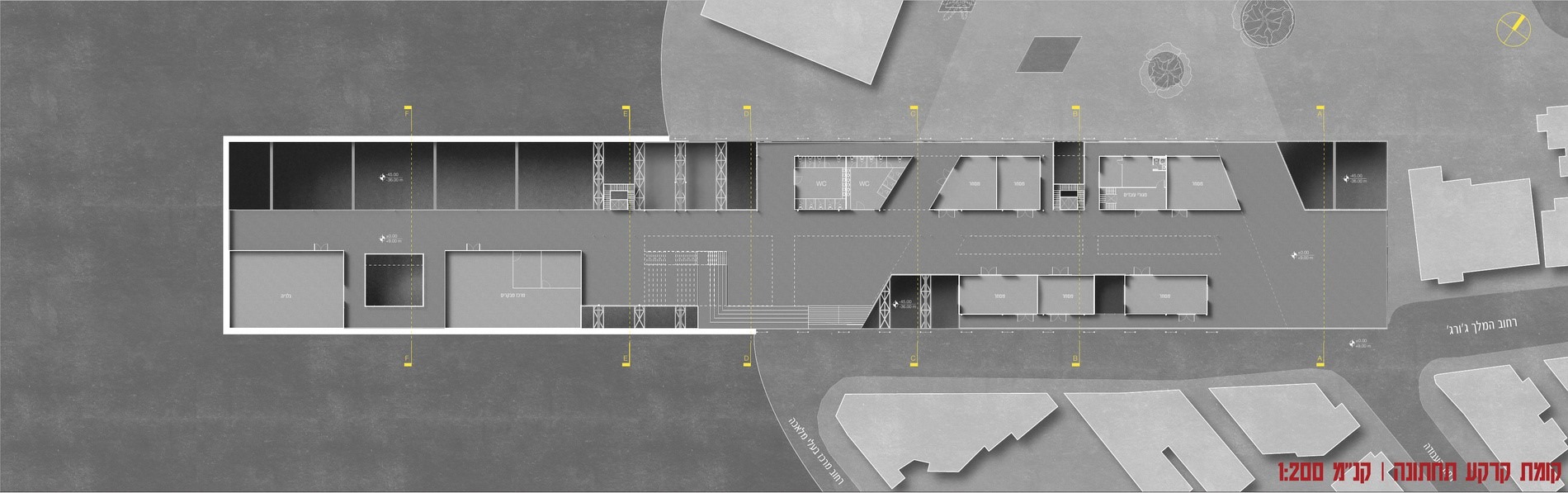
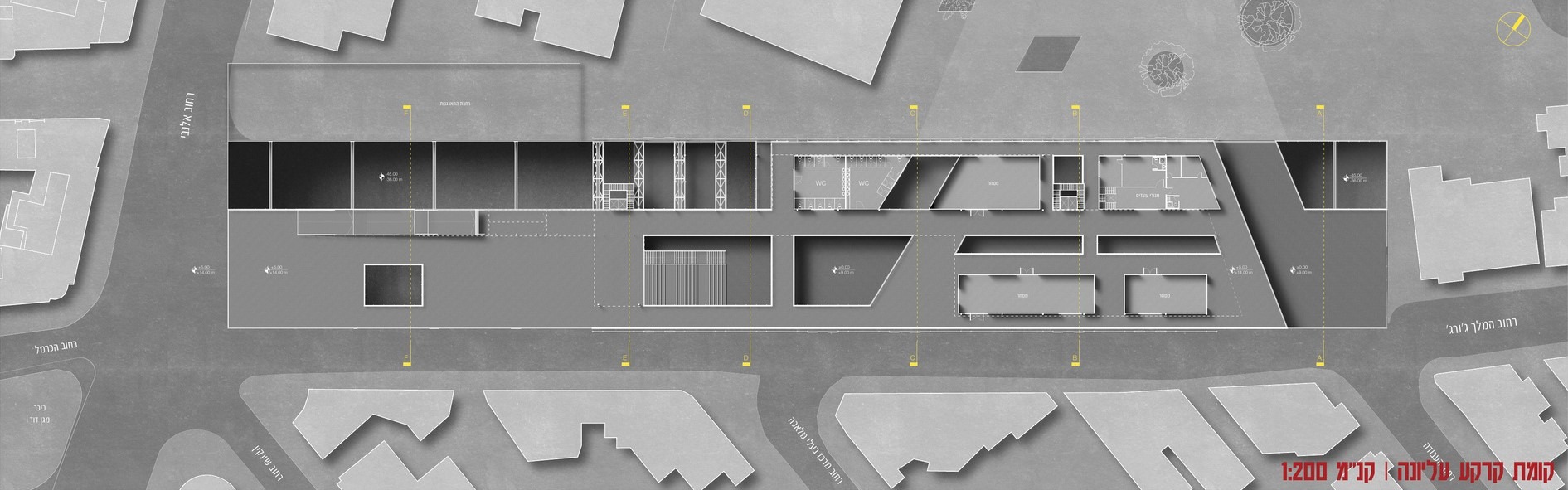
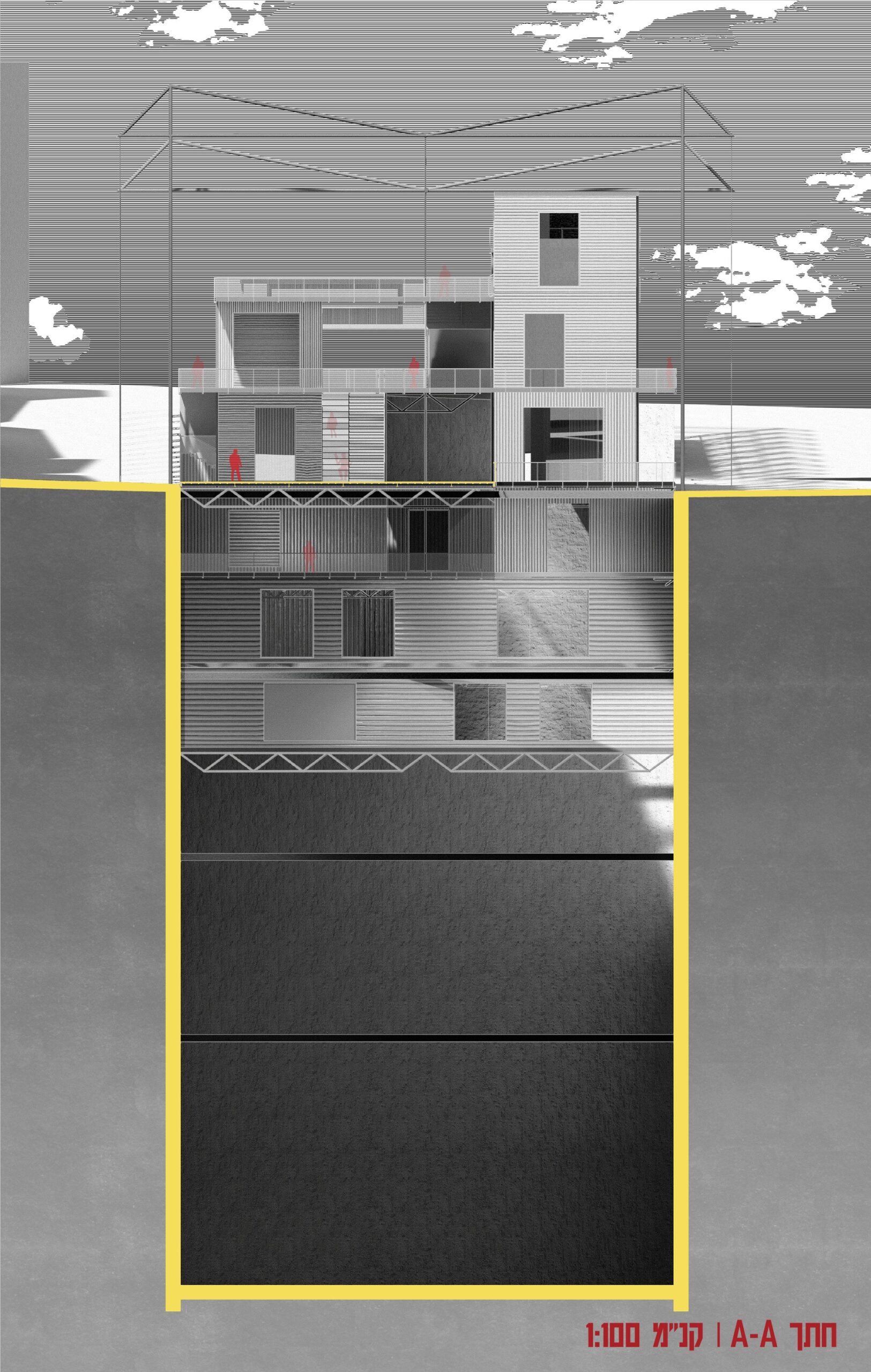
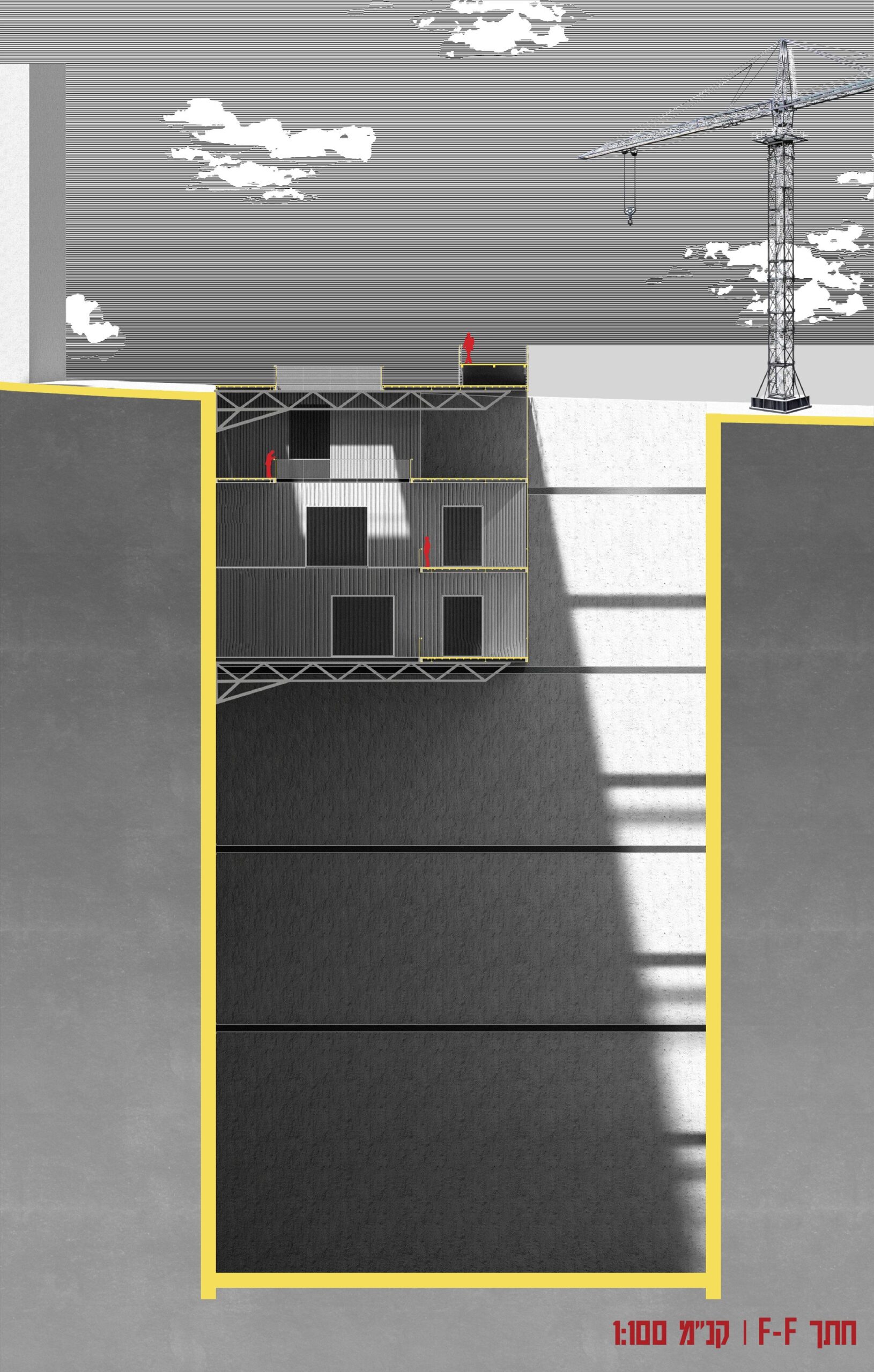
הבור מכתיב תנאי אדריכלי בסיסי: אין קרקע לבנות עליה. מתוך התנאי הזה המבנה נתלה בתוכו – קונסטרוקציה הנאחזת בשני צדי הבור נושאת מערכת מבנית, ובתוכה משולבים נפחים קלים וזמניים. השוק, המסחר, התרבות, הבילוי ומרחבי העובדים מכניסים לאתר מחזורי חיים שונים, מהבוקר ועד הלילה, ומאפשרים למה שנלקח מהעיר לקבל מקום מחדש בזמן הבנייה.
הזמן והזמניות מניעים את הרעיון של הפרויקט. המערכת המבנית מתוכננת ככזו שיכולה להיבנות, להשתנות ולהתפרק בהתאם להתקדמות עבודות המטרו. כך תקופת הבנייה מאפשרת אדריכלות שפועלת בתוך תהליך השינוי והופכת את שנות הקמת התשתית לחלק מחיי העיר.
The city is in a constant process of transformation, yet the very moment in which change takes place is often perceived as a period simply to be endured. Large-scale infrastructure projects reshape the urban environment over many years, creating extensive construction sites—fenced-off and inaccessible spaces that occupy the heart of the city while we await their future outcome. This project operates within that time.
The project is situated at the site of the future Magen David Square metro station in Tel Aviv. It considers the years of construction not merely as a transitional phase leading to the completed station, but as an urban condition in its own right. The project seeks to inhabit the excavation pit while it remains an active infrastructure site, reintroducing urban activity, exposing the construction process, and allowing the city, the public, and construction workers to coexist alongside and within it.
The excavation pit establishes a fundamental architectural constraint: there is no ground on which to build. In response, the structure is suspended within it. A structural framework anchored to both sides of the pit supports a system of suspended elements, within which lightweight, temporary volumes are integrated. Markets, commerce, culture, leisure, and workers’ facilities introduce different rhythms of life into the site, from morning until night, allowing what was taken from the city to reclaim its place during construction.
Time and temporality drive the project's central concept. The structural system is designed to be assembled, adapted, and dismantled in accordance with the progress of the metro construction. In this way, the construction period becomes an opportunity for architecture to operate within the process of transformation, turning the years of infrastructure development into an integral part of urban life.
تمرّ المدينة بعملية مستمرة من التغيير والتحوّل، إلا أن اللحظة التي يحدث فيها هذا التغيير تُعتبر غالبًا مجرد فترة انتظار ينبغي أن تنقضي. تُعيد مشاريع البنية التحتية الكبرى تشكيل الحيّز الحضري على مدى سنوات طويلة، وخلال تنفيذها تنشأ مواقع بناء واسعة النطاق، ومساحات مسيّجة ومغلقة، تحتل قلب المدينة بينما ينتظر الجميع النتيجة المستقبلية. يعمل هذا المشروع ضمن هذه الفترة الزمنية تحديدًا.
يقع المشروع في موقع محطة المترو المستقبلية في ساحة ماغين دافيد في تل أبيب، وينظر إلى سنوات إنشائها ليس فقط بوصفها مرحلة انتقالية نحو المحطة المكتملة، بل باعتبارها حالة حضرية قائمة بحد ذاتها. يسعى المشروع إلى إشغال حفرة الحفر بينما لا تزال موقعًا نشطًا لأعمال البنية التحتية، وإعادة النشاط الحضري إليها، والكشف عن عملية البناء، وإتاحة المجال للمدينة والجمهور والعاملين في الموقع للتواجد إلى جانبها وداخلها.
تفرض حفرة الحفر شرطًا معماريًا أساسيًا: لا توجد أرض يمكن البناء عليها. وانطلاقًا من هذا الشرط، يُعلّق المبنى داخل الحفرة، حيث يحمل هيكل إنشائي مثبت على جانبيها نظامًا إنشائيًا معلّقًا، تتكامل ضمنه كتل معمارية خفيفة ومؤقتة. وتُدخل الأسواق والأنشطة التجارية والثقافية والترفيهية ومرافق العاملين إيقاعات مختلفة للحياة إلى الموقع، من الصباح حتى الليل، مما يتيح لما انتُزع من المدينة أن يستعيد مكانه خلال فترة البناء.
يشكّل الزمن والطابع المؤقت المحرّكين الأساسيين لفكرة المشروع. فقد صُمّم النظام الإنشائي بحيث يمكن تركيبه وتعديله وتفكيكه وفقًا لتقدّم أعمال إنشاء المترو. وهكذا، تتحوّل فترة البناء إلى فرصة لعمارة تعمل ضمن عملية التغيير نفسها، وتجعل من سنوات إنشاء البنية التحتية جزءًا لا يتجزأ من الحياة الحضرية.